Toyota Corolla vs Honda Civic: Which Is Better in 2026? The Cheaper Hybrid Against the Roomier, Quicker One
The Corolla is cheaper at every level and its hybrid pays for itself in about three years. The Civic costs more, seats adults in the back, makes 200 hp as a hybrid and holds the IIHS award the Corolla lacks.
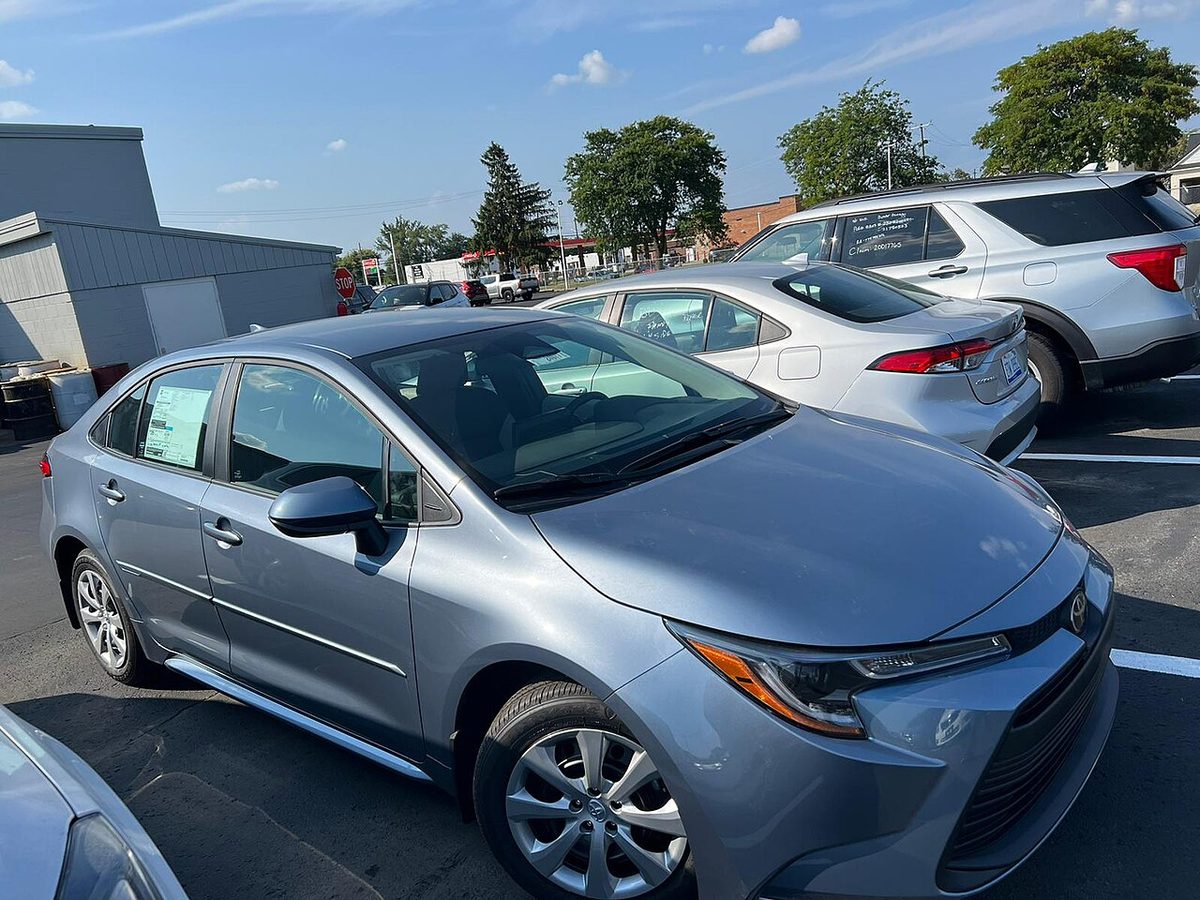
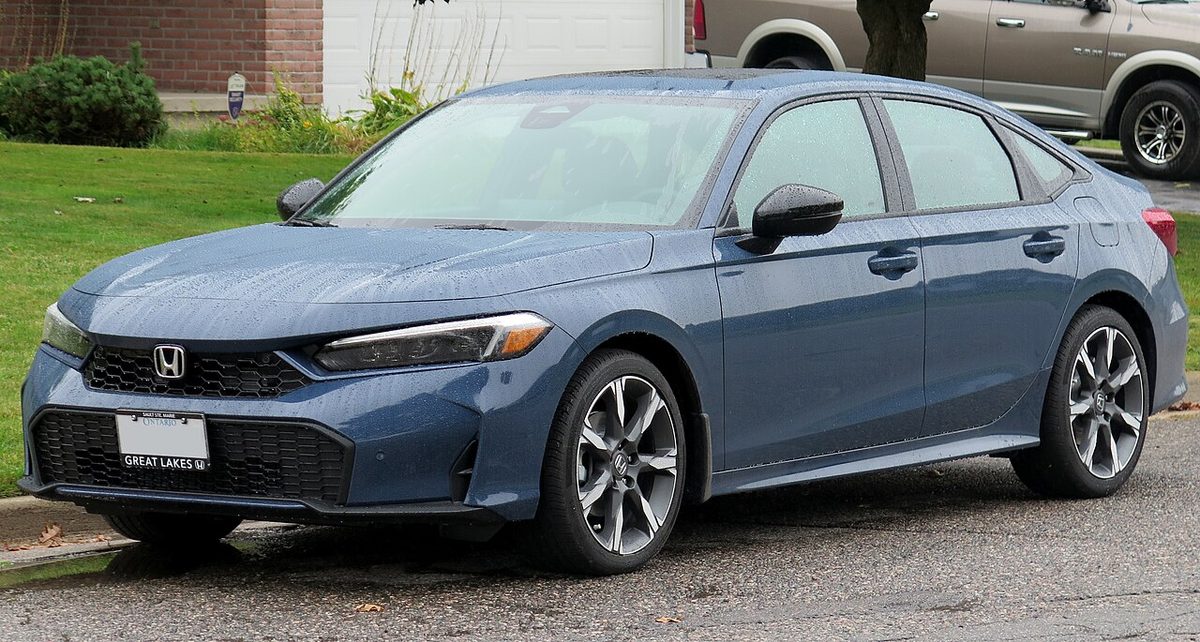
The Corolla and the Civic have been shopped against each other for half a century, and for most of that time the choice barely mattered: either way you got a dependable small sedan with low running costs. The two have since drifted apart. In their current form they differ on price, on power, on cabin space, on crash-test results and above all on what their hybrid versions are for. With the 2027 Corolla reaching dealers this fall and the 2026 Civic already on sale, this is what separates them now.
Price first, because here the Toyota leads at every level. The 2027 Corolla LE starts at $23,325 before a $1,295 delivery fee. The 2026 Civic LX starts at $24,695 before a $1,195 destination charge. That is a $1,370 gap on the sticker and $1,270 once both fees are added. Toyota raised every Corolla sedan grade by $400 for 2027 and changed little else, apart from a 60th Anniversary Special Edition limited to 2,500 cars for the United States, which is based on the SE hybrid and due in early 2027.
The base engines are closer in name than in output. Both are 2.0-liter four-cylinders with a continuously variable transmission. The Corolla's makes 169 hp and 151 lb-ft of torque; the Civic's makes 150 hp and 133 lb-ft. Nineteen horsepower is noticeable in cars this light, mostly when merging or passing. The Civic gets a small return for it at the pump: the LX is rated at 36 mpg combined against 35 for the Corolla LE. At $4.41 a gallon and 15,000 miles a year that is about $1,838 against $1,890, a difference of roughly a dollar a week. On the standard engine, fuel economy does not decide anything.
The hybrids are where the two cars part ways, and where most buyers should be looking. The Corolla Hybrid pairs a 1.8-liter engine with an electric motor for 138 hp in total and is rated at 50 mpg combined in front-drive LE and XLE form. The Civic hybrid pairs a 2.0-liter engine with two motors for 200 hp, which is 62 more than the Toyota and 50 more than the gas Civic, and is rated at 49 mpg combined. The fuel bills are almost identical: about $1,323 a year for the Corolla and $1,350 for the Civic on the same assumptions.
So the two companies built different things under the same word. Toyota's hybrid is the economy version of the Corolla: less power than the gas car, far less fuel. Honda's hybrid is the best version of the Civic: more power than the gas car and far less fuel. Neither is the wrong idea, but they suit different drivers, and a shopper who assumes the two are interchangeable will be surprised on the test drive.
They are also priced differently. The Corolla Hybrid LE is $25,175, which is $1,850 more than the gas LE. It saves about $567 a year in fuel, so it pays for itself in a little over three years, and after that the saving is yours. Honda offers its hybrid only from the Sport grade up. The Civic Sport Hybrid is $29,395, or $2,700 more than the gas Sport, and saves about $596 a year against it, which takes four and a half years to recover. Compare hybrid with hybrid and the Honda costs $4,220 more than the Toyota.
What that $4,220 buys is mostly performance and equipment, since the fuel economy is the same. For a buyer who wants 50 mpg at the lowest price, the Corolla Hybrid has no real rival here, and it adds something the Civic does not offer at all: all-wheel drive, available on the hybrid LE and SE. For a buyer who finds 138 hp too little for highway driving with passengers aboard, the Civic hybrid is the one that does not ask for that compromise.
Space is the Civic's clearest advantage, and it is not close. The Civic sedan has 99.0 cubic feet of passenger volume against 88.6 in the Corolla. Most of that difference is in the back seat, where the Civic offers 37.4 inches of legroom and the Corolla 34.8. The trunk follows the same pattern, 14.8 cubic feet to 13.1. In practice the Civic can carry four adults on a long trip and the Corolla is better treated as a car for two adults and two children.
Safety is the area where the results run against expectation, and where the two cars each win a different half. The Insurance Institute for Highway Safety names the 2026 Civic sedan a Top Safety Pick. The 2026 Corolla sedan has no award. The reason is a single test, the updated moderate overlap front crash, which was revised to measure what happens to a passenger in the back seat. The Civic is rated Acceptable. The Corolla is rated Marginal, with the institute marking down both chest protection and the restraints for the rear passenger.
The other half belongs to Toyota. In the institute's tests of automatic emergency braking, the Corolla is rated Good both against other vehicles and against pedestrians, and in the vehicle test it avoided a collision at every speed up to 43 mph. The Civic is rated Acceptable in both. Both cars score Good for small overlap protection, for side impact, for headlights and for the ease of fitting child seats. Put together: the Corolla is better at avoiding a crash, and the Civic protects a rear passenger better if one happens. A family that regularly carries people in the back should give the second point real weight.
On the road the differences are of character more than quality. Consumer Reports, testing earlier model years of these same generations, rated the Corolla's ride comfort and quietness among the better in the class while calling its engine noisy under hard acceleration, and found the Civic sharper to steer and stop but louder at highway speed and firmer over rough pavement. The Civic also sits lower, which some drivers like and others find awkward getting in and out.
Both names also sit on performance cars that share little with the sedans. Honda sells the Civic Si with 200 hp and a manual gearbox, and the Civic Type R hatchback above it. Toyota's answer is the GR Corolla, a 300-hp all-wheel-drive hatchback. They matter to this comparison only as evidence of how far the two lineups now stretch; nobody choosing a $25,000 commuter is deciding between those.
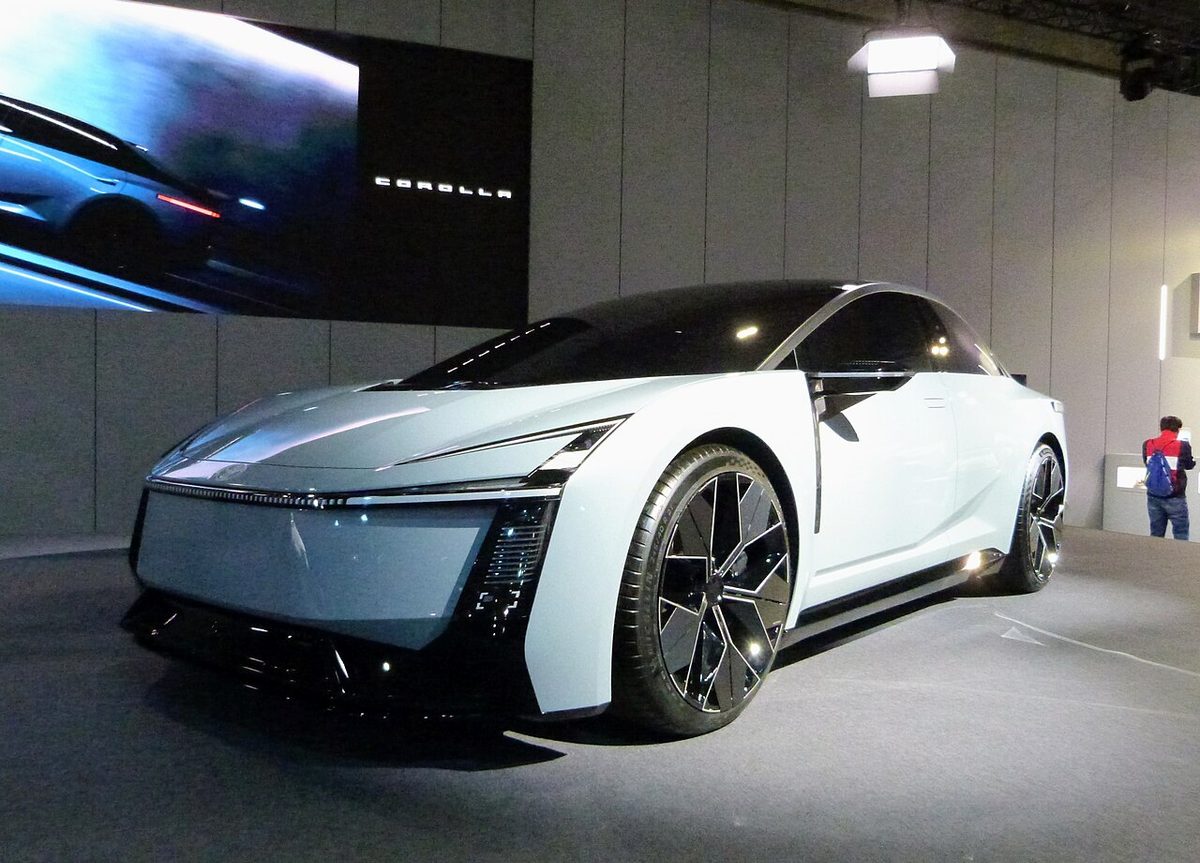
One more thing is worth knowing about timing. The current Corolla is near the end of its run. Toyota showed a Corolla Concept at the Japan Mobility Show in 2025 that previews a very different next generation, and it has not said when the production car will arrive. The Civic was updated for 2025, when it gained its hybrid. Neither fact is a reason to wait, since both cars on sale today are mature and well understood, but it does mean the Corolla is the older design of the two.
The verdict depends on which hybrid you would buy, because the hybrid is the version of each car to have. If price and fuel cost come first, take the Corolla Hybrid: it is $4,220 cheaper than the Civic hybrid, matches its economy, brakes for hazards more reliably in testing and can be had with all-wheel drive. If you carry adults in the back, want real acceleration, or put the most weight on rear-seat crash protection, take the Civic Sport Hybrid and accept the higher price. Among the gas versions the same logic holds on a smaller scale: the Corolla is cheaper and stronger, the Civic roomier and a Top Safety Pick.
| Toyota Corolla (2027) | Honda Civic (2026) | |
|---|---|---|
| Starting price, before delivery | $23,325 (LE) | $24,695 (LX) |
| Delivery fee | $1,295 | $1,195 |
| Base engine | 2.0L four, 169 hp, 151 lb-ft | 2.0L four, 150 hp, 133 lb-ft |
| EPA combined, base | 35 mpg (LE) | 36 mpg (LX) |
| Hybrid starting price | $25,175 (Hybrid LE) | $29,395 (Sport Hybrid) |
| Hybrid output | 138 hp | 200 hp |
| Hybrid EPA combined | 50 mpg (FWD LE, XLE) | 49 mpg |
| Hybrid premium and payback | $1,850; about 3.3 years | $2,700; about 4.5 years |
| All-wheel drive | Available on Hybrid LE and SE | Not offered |
| Passenger volume | 88.6 cu ft | 99.0 cu ft |
| Rear legroom | 34.8 in | 37.4 in |
| Trunk | 13.1 cu ft | 14.8 cu ft |
| IIHS 2026 award (sedan) | None | Top Safety Pick |
| IIHS updated moderate overlap front | Marginal | Acceptable |
| IIHS front crash prevention (vehicle / pedestrian) | Good / Good | Acceptable / Acceptable |
Related cars
Related articles
- 2025 Honda Accord vs Toyota Camry: Which Is Better? One Only Comes as a Hybrid Now, and It Shows
- 2026 Toyota RAV4 vs Honda CR-V Hybrid: Which Is Better? The RAV4 Wins on Price, Fuel and Warranty, the CR-V on Ride and Rear-Seat Room
- Kia Prices the 2027 K4 From $22,390, Raising Every Sedan and Hatchback Trim by Just $100
- Hybrid vs Plug-In Hybrid vs EV: Which to Buy in 2026? The Math at $4.41 Gas, Without the Tax Credit
Sources
- Toyota USA Newsroom: Built for Generations: Toyota Corolla Celebrates 60 Years with 2027 Special Edition (August 18, 2026)
- Cars.com: How Much Is the 2027 Toyota Corolla, Corolla Hybrid? (Jared Gall, September 8, 2026)
- Honda News: 2026 Honda Civic Sedan Pricing and EPA Ratings
- IIHS: 2026 Toyota Corolla 4-door sedan ratings
- IIHS: 2026 Honda Civic 4-door sedan ratings
- Cars.com: 2026 Toyota Corolla specifications
- Cars.com: 2026 Honda Civic specifications
- Consumer Reports: Toyota Corolla road test
- Consumer Reports: Honda Civic road test
- AAA: national average gasoline prices