2026 Toyota RAV4 vs Honda CR-V Hybrid: Which Is Better? The RAV4 Wins on Price, Fuel and Warranty, the CR-V on Ride and Rear-Seat Room
Toyota's all-hybrid redesign undercuts the Honda by $3,730 and beats it by 3 mpg, but the CR-V still rides better and seats adults more comfortably in back
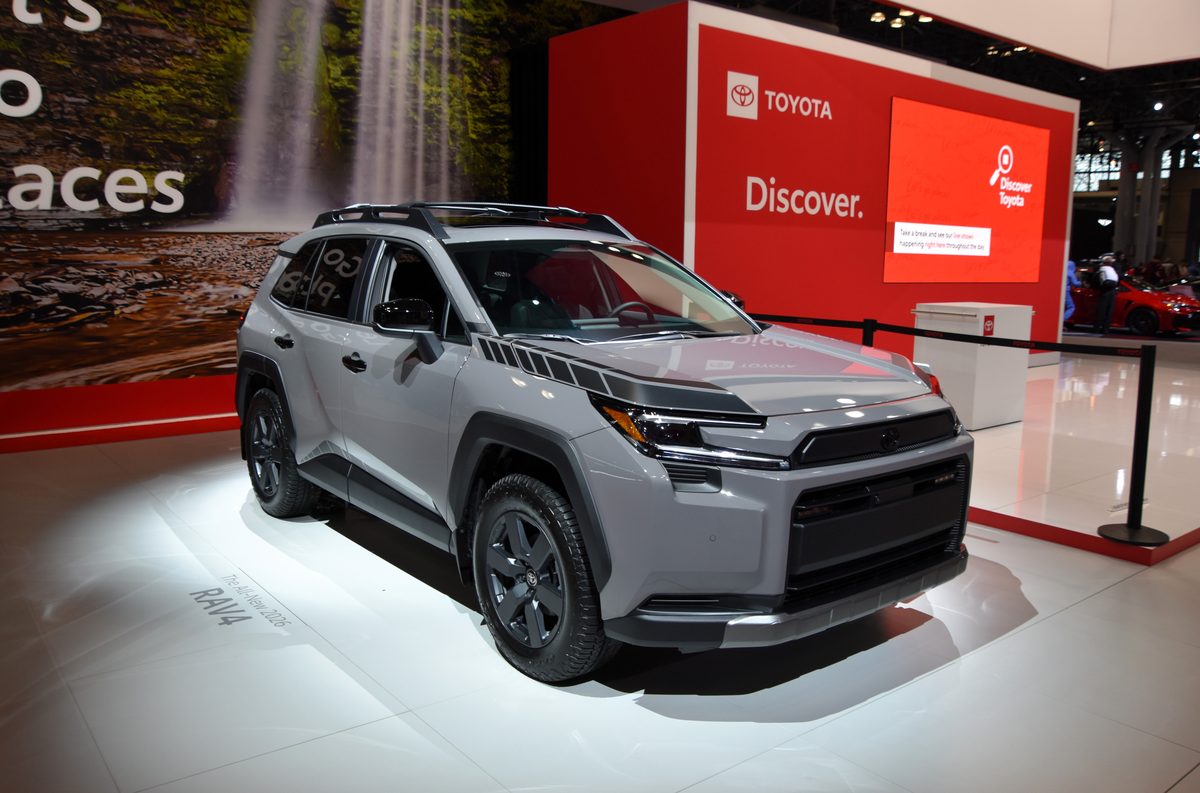
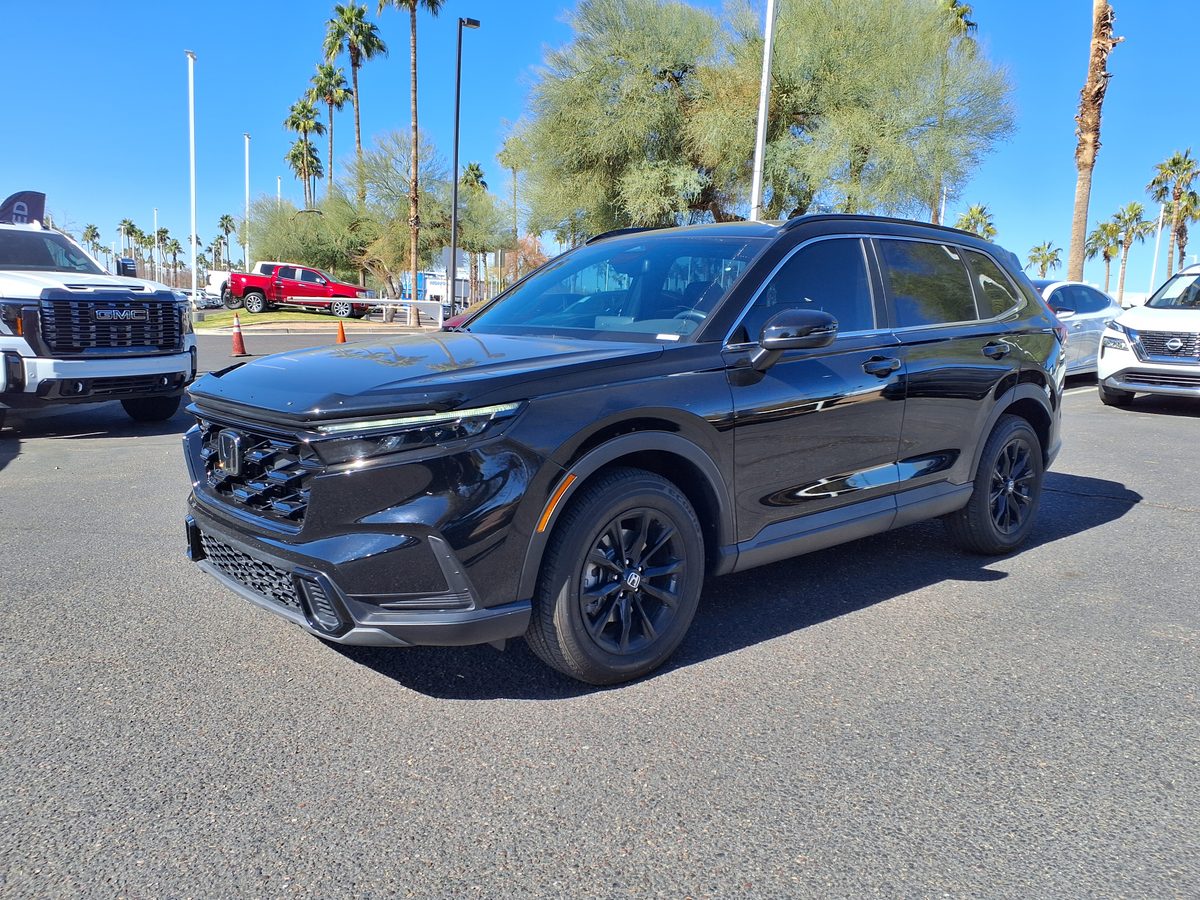
For years the Toyota RAV4 and the Honda CR-V have been the two compact crossovers most Americans end up choosing between, and the 2026 model year finally makes the comparison a clean one. Toyota redesigned the RAV4 for 2026 and dropped the gas-only version entirely, so every RAV4 is now a hybrid. Honda still sells a turbocharged gas CR-V, but its hybrid is the version that competes head to head, and it is the one most shoppers comparing these two are actually looking at. All prices and figures below are as listed by the manufacturers and the EPA on October 1, 2026.
Price is the first place the RAV4 pulls ahead. Toyota lists the RAV4 LE hybrid at $31,900, the SE at $34,700, the XLE Premium at $36,100, the off-road-styled Woodland at $39,900, the XSE at $41,300 and the Limited at $43,300, plus a $1,095 dealer processing and handling fee. Honda's cheapest CR-V Hybrid is the Sport at $35,630 with front-wheel drive and $37,130 with all-wheel drive, followed by the TrailSport Hybrid at $38,800, the Sport-L at $38,725 (FWD) or $40,225 (AWD), and the Sport Touring at $42,250, plus a $1,395 destination charge. That puts the entry-level hybrid RAV4 $3,730 below the entry-level hybrid CR-V before fees. If you do not need a hybrid at all, Honda's gas CR-V LX starts at $30,920, but at 30 mpg combined it gives up a lot of the efficiency that makes this segment appealing in the first place.
The powertrains take different approaches to the same job. The RAV4 pairs a 2.5-liter four-cylinder with electric motors for 226 horsepower with front-wheel drive and 236 hp with all-wheel drive, and a 324-hp plug-in hybrid sits above it from $41,500. The CR-V Hybrid uses a 2.0-liter Atkinson-cycle four with two motors; Honda rates the system at 204 hp, and its traction motor alone makes 247 lb-ft, which is why the CR-V feels eager pulling away from a light even though it is the slower car overall. In instrumented testing, CarBuzz timed an all-wheel-drive RAV4 Hybrid to 60 mph in 7.16 seconds, while Edmunds recorded 8.0 seconds for a CR-V Hybrid Sport Touring. On a highway on-ramp that gap is noticeable; in town it mostly is not.
Fuel economy favors the Toyota in every like-for-like configuration. The EPA rates the front-wheel-drive RAV4 LE, SE and XLE Premium at 47 mpg city, 40 highway and 43 combined, and the all-wheel-drive LE and SE at 42 combined; the Woodland drops to 38 combined. The CR-V Sport Hybrid with front-wheel drive is rated 43/36/40, the all-wheel-drive Sport, Sport-L and Sport Touring 40/34/37, and the TrailSport 38/33/35. What that difference means in money is modest: at 15,000 miles a year, 43 mpg instead of 40 mpg saves about 26 gallons, roughly $90 at $3.50 a gallon. The bigger practical win for the RAV4 is range between fill-ups, which A Girl's Guide to Cars estimates at 550 to 600 miles against 500 to 560 for the CR-V.
Where the Honda earns its higher price is in how it rides. Reviewers have been close to unanimous on this point for several years, and the 2026 models have not changed the verdict. A Girl's Guide to Cars, comparing the two 2026 hybrids directly in May 2026, found that the CR-V "delivers a smoother ride" and absorbs larger impacts better, with "more responsive steering and confident braking." AutoGuide reached the same conclusion, giving the CR-V "a slight edge" in ride and suspension tuning even after the RAV4's redesign. Edmunds has called ride quality one of the CR-V Hybrid's greatest strengths. For a buyer who spends a lot of time on broken city streets or long highway stretches, that is the single biggest reason to pick the Honda.
The redesigned RAV4 is not far behind, though, and it has closed much of the gap. CarBuzz, driving the 2026 model at its launch in October 2025, described its ride as "a noticeable improvement over the outgoing generation" and the cabin as "quieter than the outgoing RAV4" thanks to added sound insulation. Its steering was judged "decently playful enough to not be vague," if not sporty. The RAV4's main dynamic weakness is the familiar one for Toyota hybrids: the engine drones under hard acceleration, and CarBuzz wished Toyota had done more to make it sound and feel less like a continuously variable transmission. The CR-V, for its part, may be slightly louder at highway speed, according to A Girl's Guide to Cars, so neither car is a clear winner on refinement.
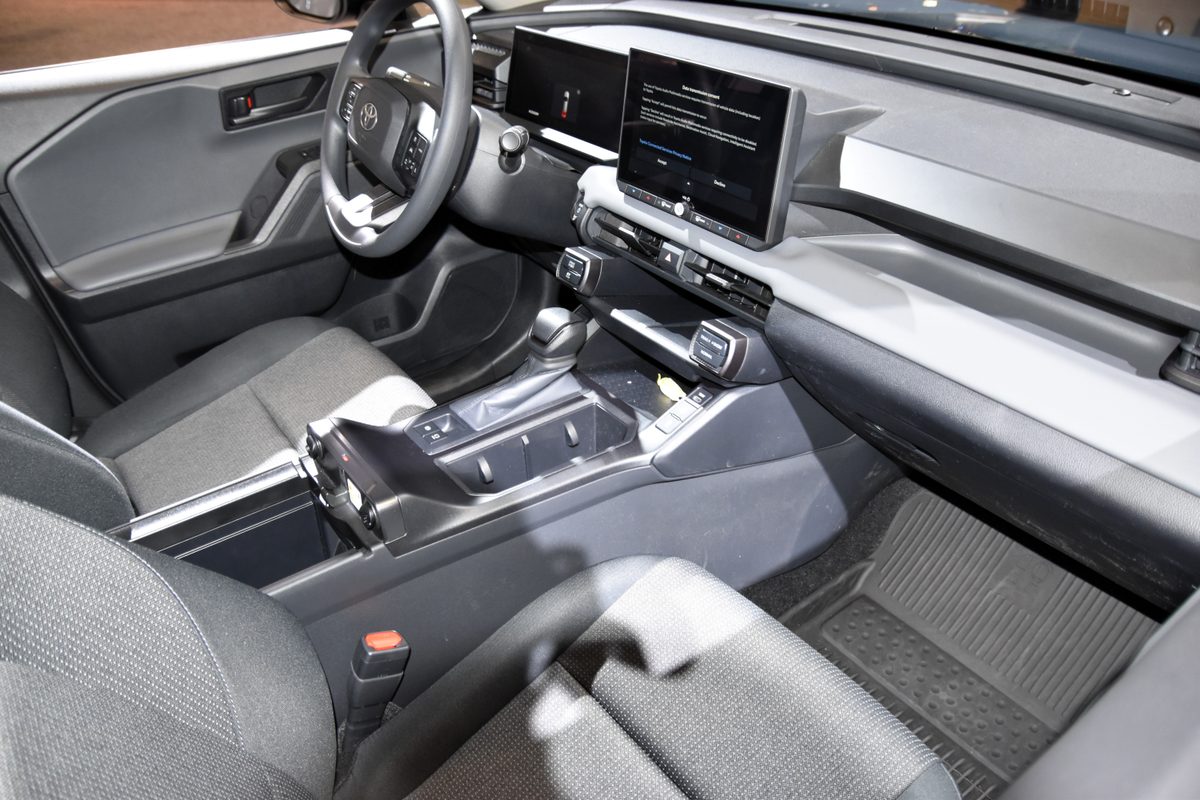
Inside, the two cars reflect their makers' priorities. The RAV4's new cabin is the more technology-forward of the two: a 12.3-inch digital instrument cluster is standard on every trim, the touchscreen is 10.5 or 12.9 inches, and the new software, with 5G connectivity and a fast "Hey Toyota" voice assistant, struck CarBuzz as "our new class favorite." The same review noted that "some surfaces feel hard and cheap." The CR-V starts with a 9-inch touchscreen, adds a 10.2-inch digital display on upper trims, and offers Google built-in on the Sport Touring. AutoGuide described the Honda's cabin as "more premium," with better build quality and conventional knobs and buttons that are easier to use while driving. Seat comfort follows the same pattern: A Girl's Guide to Cars praised the CR-V's "plenty of padding and support" and relayed "complaints about stiff seats" in the RAV4.
Back-seat space is the other area where the CR-V clearly wins. Honda quotes 41.0 inches of rear legroom, among the most in the class, and reviewers consistently describe the CR-V as the better choice for tall rear passengers and rear-facing child seats. Cargo space is closer than the brochures suggest. Honda lists 34.7 to 36.3 cubic feet behind the rear seats for the hybrid, which loses some floor space and the spare tire to its battery. Because manufacturers measure cargo differently, Cars.com's own like-for-like measurements are more useful: in March 2026 it measured 19.4 cubic feet behind the rear seat of a 2026 RAV4 Limited and 20.2 cubic feet in a CR-V Sport Touring Hybrid. Either will swallow a weekend's luggage for four; the Honda is a little roomier.
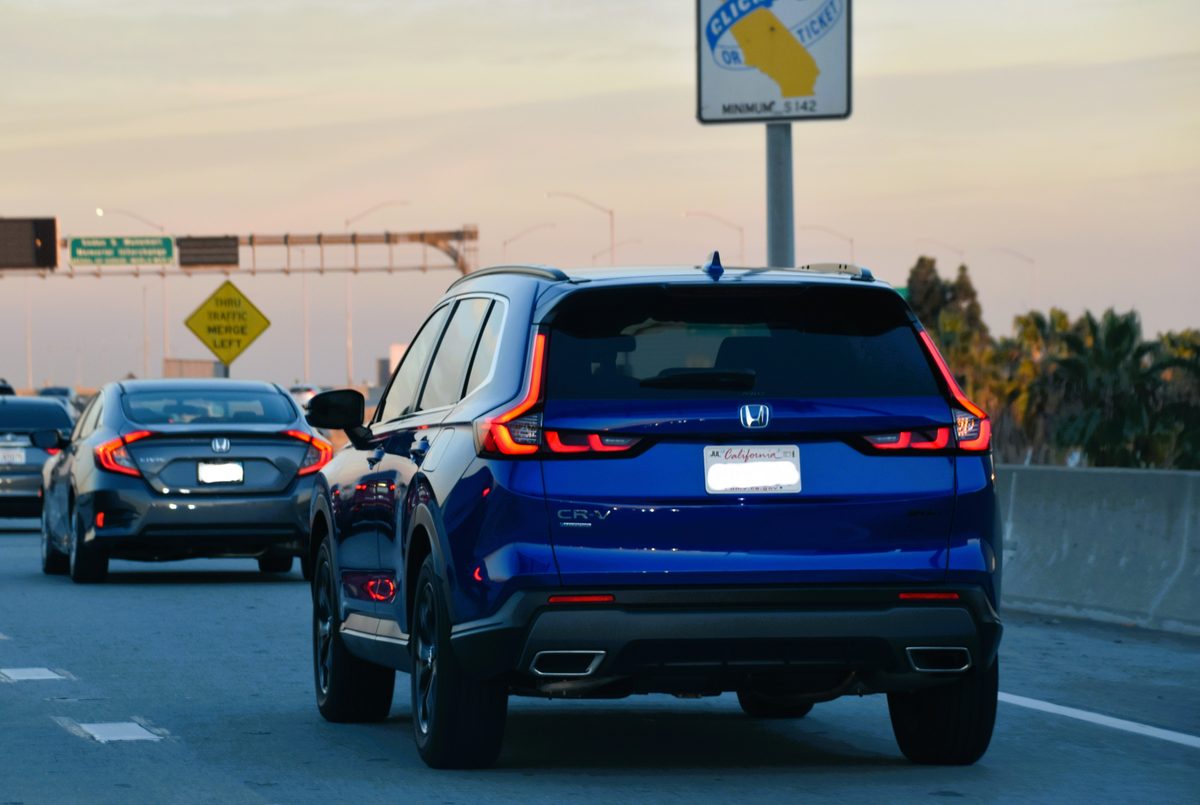
Towing and light off-road use tilt back toward Toyota. Honda rates every CR-V at 1,000 pounds of towing, enough for a small utility trailer and little more. Published towing charts for the 2026 RAV4 list 1,750 pounds for front-wheel-drive models and the AWD LE, and up to 3,500 pounds for properly equipped all-wheel-drive trims such as the Woodland, which comes with a factory hitch receiver. If you tow a small camper or a pair of jet skis, that difference decides the comparison on its own. Both brands now sell a rugged-looking trim, the RAV4 Woodland and the CR-V TrailSport Hybrid, and both pay for it in fuel economy; Edmunds summed up the Honda version bluntly in a headline: "The 2026 Honda CR-V Hybrid Is a Winner, but the TrailSport Is Meh."
Safety needs a dated caveat. Both cars come with comprehensive driver-assistance suites as standard, Toyota Safety Sense 4.0 on the RAV4 and Honda Sensing on the CR-V. In crash testing, the Insurance Institute for Highway Safety rates the 2026 CR-V Good in the small overlap front and updated side tests and Good for headlights, but Poor in the updated moderate overlap front test, a result driven by how the restraints protected the rear-seat passenger; the driver results were Good, and the CR-V did not earn a Top Safety Pick award. As of October 1, 2026, the fully redesigned 2026 RAV4 had not yet been crash-tested by the IIHS or NHTSA, and results from the previous generation do not carry over. Families who regularly carry adults or older children in the back should check the IIHS site for the RAV4's results before buying.
Ownership terms favor Toyota on the part buyers worry about most with a hybrid. Toyota covers the RAV4's hybrid battery for 10 years or 150,000 miles, according to its 2026 warranty and maintenance guide, while AutoGuide lists 8 years of hybrid-component coverage for the CR-V. Honda includes a one-year, 12,000-mile maintenance program with the 2026 CR-V. Availability can matter as much as warranty in this segment, and AutoGuide noted that the RAV4's popularity has made it harder to find on dealer lots, which can erode its price advantage if dealers add markups.
Buy the 2026 Toyota RAV4 Hybrid if price, fuel economy and capability come first: it costs less to start, uses less fuel in every comparable trim, accelerates harder, can tow up to 3,500 pounds when properly equipped, and carries a longer hybrid battery warranty and the more modern screens. Buy the 2026 Honda CR-V Hybrid if comfort is the priority: it rides more smoothly, its seats are better padded, its back seat is roomier for tall passengers and child seats, and its controls are simpler to use, at the cost of a few thousand dollars more and a few mpg less. Shoppers who regularly fill the back seat should weigh the CR-V's Poor rear-passenger result in the IIHS moderate overlap test, and wait for the RAV4's results, before treating either car's safety as settled.
| 2026 Toyota RAV4 Hybrid | 2026 Honda CR-V Hybrid | |
|---|---|---|
| Starting price (hybrid) | $31,900 (LE FWD) + $1,095 fee | $35,630 (Sport FWD) + $1,395 destination |
| Top hybrid trim | $43,300 (Limited) | $42,250 (Sport Touring) |
| Powertrain | 2.5L four + motors | 2.0L Atkinson four + 2 motors |
| System output | 226 hp FWD / 236 hp AWD | 204 hp (motor 247 lb-ft) |
| 0-60 mph (tested) | 7.16 s, AWD (CarBuzz) | 8.0 s, Sport Touring (Edmunds) |
| EPA combined, best FWD | 43 mpg (47/40) | 40 mpg (43/36) |
| EPA combined, mainstream AWD | 42 mpg (LE/SE) | 37 mpg (Sport/Sport-L/Sport Touring) |
| Rugged trim | Woodland: $39,900, 38 mpg | TrailSport: $38,800, 35 mpg |
| Max towing | 1,750 lb FWD/LE; up to 3,500 lb AWD (e.g. Woodland) | 1,000 lb |
| Rear legroom | — | 41.0 in |
| Cargo behind rear seat (Cars.com measured) | 19.4 cu ft (Limited) | 20.2 cu ft (Sport Touring Hybrid) |
| Touchscreen / gauges | 10.5 or 12.9 in / 12.3 in digital standard | 9 in / 10.2 in digital on upper trims |
| Hybrid battery warranty | 10 yr / 150,000 mi (Toyota) | 8 yr (per AutoGuide) |
| IIHS (as of Oct 1, 2026) | Not yet tested (redesigned) | Poor moderate overlap (rear passenger); Good small overlap, side |
Related cars
Related articles
- 2026 Mazda CX-5 vs Toyota RAV4: Which Is Better? The Redesigned RAV4 Trades a Proven Safety Record for Hybrid Efficiency
- 2025 Honda Accord vs Toyota Camry: Which Is Better? One Only Comes as a Hybrid Now, and It Shows
- 2027 Nissan Rogue Hybrid vs Honda CR-V Hybrid: Which Wins? A $2,000 AWD Price Gap Against a Proven Hybrid
- 2026 Subaru Forester vs Toyota RAV4: Which Is Better? Subaru Wins on Safety Ratings and AWD, Toyota on Mileage and Warranty
Sources
- Toyota USA Newsroom: All-New 2026 Toyota RAV4 — pricing and powertrains
- Honda News: 2026 Honda CR-V Pricing and EPA Ratings
- Honda News: 2026 Honda CR-V Specifications & Features
- FuelEconomy.gov: 2026 Toyota RAV4
- IIHS: 2026 Honda CR-V ratings
- Cars.com: How Much Cargo Space Does the 2026 Toyota RAV4 Have? (March 27, 2026)
- CarBuzz: 2026 Toyota RAV4 First Drive Review (Oct 22, 2025)
- A Girl's Guide to Cars: 2026 Toyota RAV4 Hybrid vs 2026 Honda CR-V Hybrid (May 13, 2026)
- AutoGuide: 2026 Toyota RAV4 vs 2026 Honda CR-V (Oct 29, 2025)
- Edmunds: The 2026 Honda CR-V Hybrid Is a Winner, but the TrailSport Is Meh
- Toyota: 2026 RAV4 Hybrid Warranty & Maintenance Guide (PDF)
- TowingSpecs: 2026 Toyota RAV4 towing capacity by trim