Hybrid vs Plug-In Hybrid vs EV: Which to Buy in 2026? The Math at $4.41 Gas, Without the Tax Credit
The $7,500 credit is gone, gas is at $4.41 and carmakers are picking sides. What each technology costs per mile today, how long the price premium takes to earn back, and three questions that settle the choice.
A year ago this question had a simple shortcut: take the electric car, because the government would pay $7,500 of it. That shortcut is gone. The federal credit for new EVs and plug-in hybrids ended on September 30, 2025, gasoline averaged $4.41 a gallon nationally on October 1, according to AAA, and the carmakers themselves have started choosing sides. Hyundai will not bring the plug-in version of its redesigned 2027 Tucson to the United States. Toyota is making the next Highlander electric only. Both decisions say something about which of these three technologies works for which driver, and that is the useful way to choose between them.
Start with what the three actually are, because the names hide how different they are. A hybrid has a gasoline engine and a small battery, usually one or two kilowatt-hours, that is charged by the engine and by braking. You never plug it in. The electric motor helps the engine at low speeds and in stop-and-go traffic, which is where a conventional engine wastes the most fuel. You fill it at a gas station like any other car and simply do so less often.
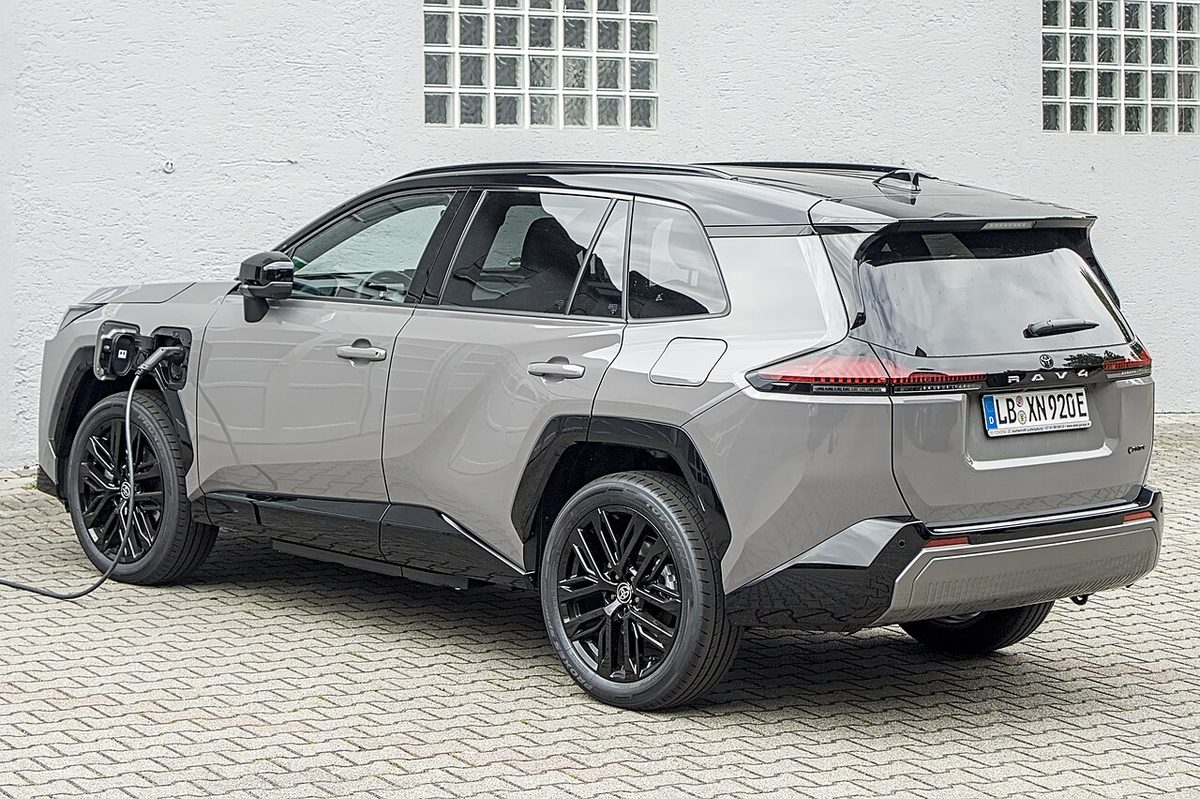
A plug-in hybrid is the same idea with a much larger battery, typically somewhere between 10 and 25 kWh, and a charging port. Charged overnight, it runs on electricity alone for a few dozen miles, then carries on as an ordinary hybrid when the battery is empty. The 2026 Toyota RAV4 Plug-in Hybrid, for example, is estimated at 52 miles on electricity and 41 mpg combined after that. An electric vehicle has no engine at all, only a battery of roughly 60 to 100 kWh, and every mile it travels comes from a plug.
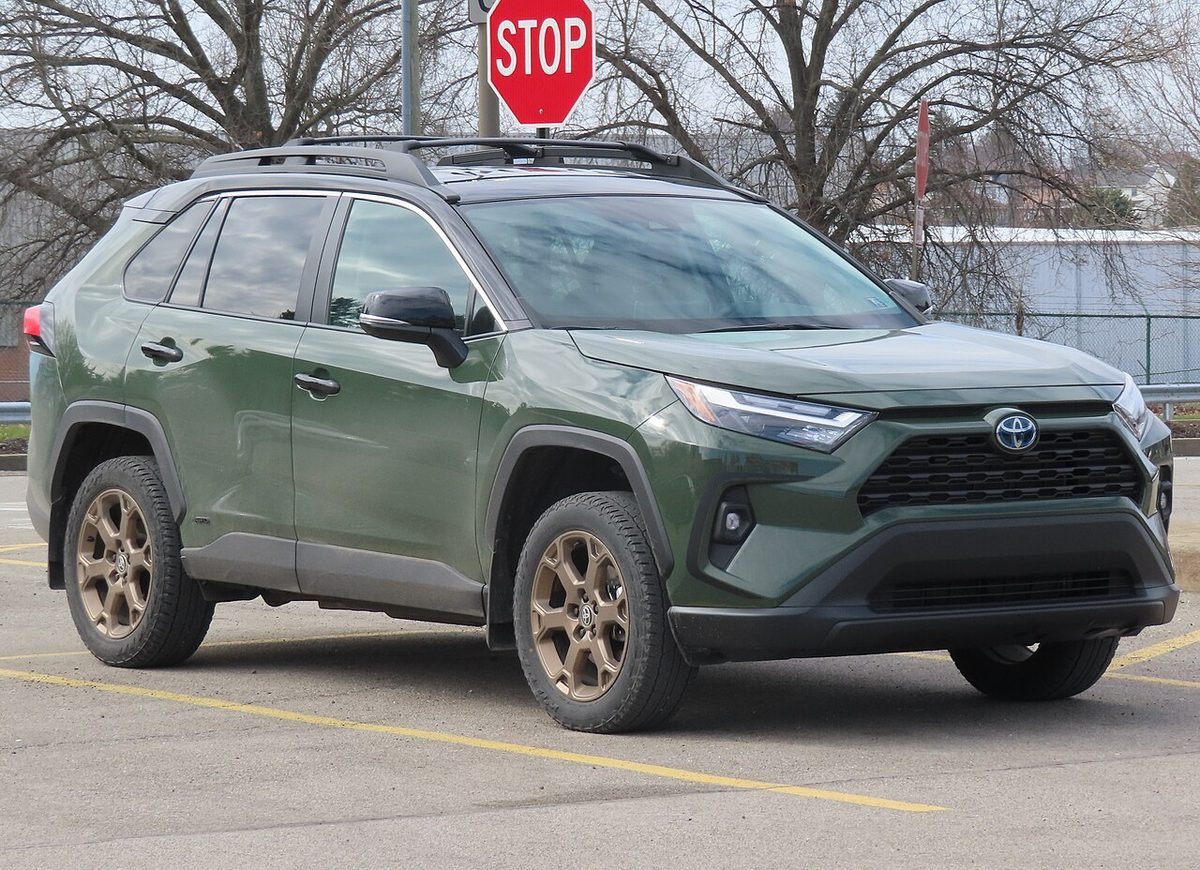
The cost of driving each one is easy to work out, and the numbers have moved this year. Take 15,000 miles a year, gas at $4.41 and home electricity at 18.31 cents per kWh, which is the average residential price the Energy Information Administration reported for July. A gasoline Honda CR-V rated at 30 mpg combined costs about 14.7 cents a mile, or roughly $2,205 a year. The CR-V Hybrid, at 40 mpg, costs 11 cents a mile and about $1,654. The front-drive Toyota RAV4, which is now sold only as a hybrid and is rated at 43 mpg, comes to 10.3 cents and about $1,538.
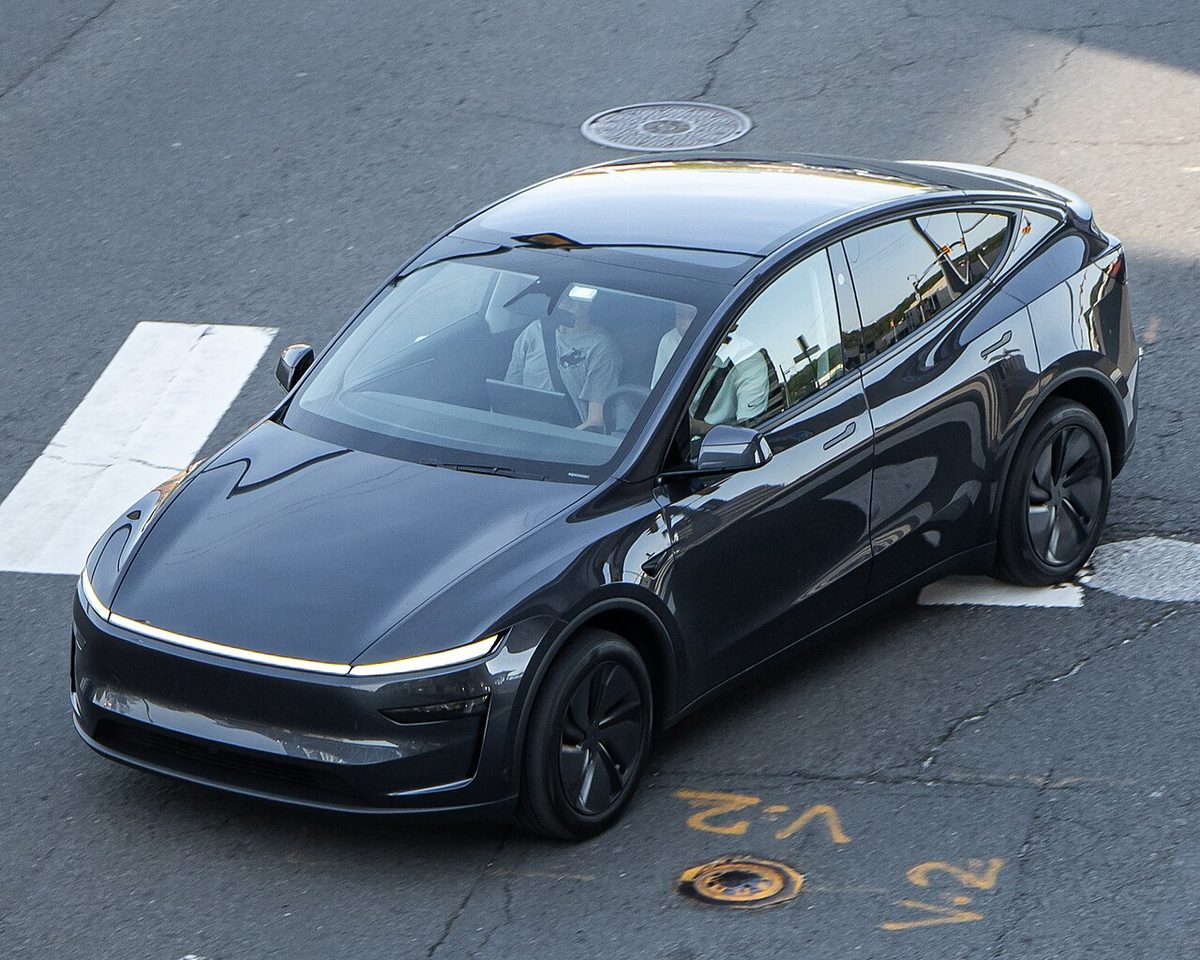
A Tesla Model Y uses about 25 kWh per 100 miles. Charged at home at the average rate, that is 4.6 cents a mile and about $687 a year, less than half the fuel bill of the most efficient hybrid here and less than a third of the gas CR-V's. This is the electric car's real advantage, and it has grown as gasoline has risen. It is also the figure that depends most on where you live: electricity prices vary far more between states than gasoline does, so it is worth running the sum with the rate on your own bill.
It depends even more on where you charge. Those 4.6 cents assume a driveway or garage with an outlet. Public fast chargers bill by the kilowatt-hour at rates well above residential ones, and the arithmetic turns quickly: once the price passes about 41 cents per kWh, a Model Y costs more per mile than a RAV4 hybrid on $4.41 gasoline. An EV owner who charges at home and uses fast chargers only on road trips keeps nearly all of the saving. An apartment dweller who relies on them every week may keep none of it.
Purchase price pulls the other way. The RAV4 hybrid starts at $31,900 before its delivery fee, and Toyota no longer sells a non-hybrid RAV4, so there is no premium to earn back. Honda still charges one: its least expensive CR-V hybrid, the Sport, is $35,630 against $30,920 for the base gasoline LX. The hybrid is the better-equipped trim, so not all of that $4,710 is for the powertrain, but taken at face value the $551 a year it saves in fuel would need about eight and a half years to cover the difference.
The Model Y starts at $39,990, which is $8,090 more than the RAV4 hybrid. With home charging it saves about $852 a year in energy against that Toyota, so on fuel alone the gap takes more than nine years to close. Against a 30-mpg gasoline crossover the saving is about $1,518 a year and the calculation looks much better. These sums leave out maintenance, insurance and resale value, which differ by model, but they show why the end of the tax credit mattered: $7,500 used to erase almost exactly the gap that buyers now have to justify themselves.
The plug-in hybrid has the hardest sums of the three. The RAV4 Plug-in Hybrid starts at $41,500 before delivery, $9,600 above the base hybrid. It is a quicker and better-equipped car, with 324 hp, and some buyers will pay for that alone. As a way to save money, though, consider the limit: the regular hybrid's entire annual fuel bill is about $1,538. Even if every mile in the plug-in were free, the premium would take more than six years to recover, and electricity is not free.
And many plug-in hybrids are not driven the way the label assumes. The International Council on Clean Transportation, analyzing real-world data from American plug-in hybrids in 2022, estimated that their share of driving on electricity was 26% to 56% lower than EPA labels assume, and their fuel consumption 42% to 67% higher. A plug-in that is not plugged in is a heavier, costlier hybrid: the RAV4 Plug-in Hybrid's 41 mpg on gasoline is slightly below the standard car's 43.
That is the reasoning Hyundai gave for dropping the Tucson plug-in from its U.S. lineup while continuing to sell it overseas. Hyundai executive Olabisi Boyle told Autoblog: "All these people tell me to get a PHEV, and nobody ever plugged in." The redesigned Tucson will instead lean on a hybrid that Hyundai is targeting at 42 mpg. Not every company agrees. BMW's U.S. sales of plug-in hybrids rose 23.2% in the third quarter, and Toyota has made its plug-in RAV4 cheaper and longer-ranged than before.
The sales figures from that quarter show where most buyers have landed. Toyota said electrified vehicles, most of them hybrids, made up 57.4% of its U.S. sales in the third quarter of 2026. General Motors reported that sales of the Chevrolet Equinox EV, its volume electric model, fell 93% from the same period a year earlier, when buyers were rushing to use the credit before it expired. Hybrids have become the default, and they got there without subsidies.
None of this makes the EV a bad choice. It makes it a specific one. An EV suits a household with a place to charge at home, a daily routine well inside the car's range, and ideally a second vehicle or a tolerance for planning on long trips. The base Model Y is rated at 321 miles, which covers any commute. In that situation it is the cheapest of the three to run by a wide margin, the quietest and the quickest, and it never needs an oil change. Toyota's decision to make the 2027 Highlander electric, with up to 320 miles of estimated range, is a bet that enough three-row families fit that description.
A plug-in hybrid suits a narrower case than its promise suggests, but a real one: a driver with home charging and a short daily round trip, comfortably inside the electric range, who also takes regular long drives and does not want to plan them around chargers. That person can do most weekday miles on electricity and still cross three states on a Saturday. The condition is discipline. If you would not plug in every night, buy the hybrid and keep the difference.
A hybrid suits nearly everyone else, and that is its strength. It needs no charger, no change of habit and, in a growing number of models, no extra money. It cuts fuel use by a quarter to a third against a comparable gasoline car, with the largest gains in city driving. Its one limitation is that it still burns gasoline for every mile, so its running costs rise and fall with the price at the pump.
Three questions settle most cases. Can you charge where you park overnight? If not, a hybrid is the answer, and the others are not worth the premium. If you can, how often do you drive farther than about 200 miles in a day? Rarely, and the EV will cost the least to run. Often, and the choice is between a hybrid and a plug-in, decided by whether you will honestly plug it in every night. At $4.41 a gallon, any of the three beats a conventional gasoline engine on fuel. Which one is worth its price depends on your driveway and your habits.
| Hybrid | Plug-in hybrid | Electric vehicle | |
|---|---|---|---|
| Example | 2026 Toyota RAV4 (FWD) | 2026 Toyota RAV4 Plug-in Hybrid | 2026 Tesla Model Y (base) |
| Starting price, before delivery | $31,900 | $41,500 | $39,990 |
| Battery | About 1 to 2 kWh | About 10 to 25 kWh | About 60 to 100 kWh |
| Do you plug it in? | Never | Every night, to get the benefit | Always |
| Rated efficiency | 43 mpg combined | 52 miles electric, then 41 mpg | About 25 kWh per 100 miles |
| Cost per mile | 10.3 cents | 10.8 cents on gasoline; less on home electricity | 4.6 cents at home; rises above the hybrid's past 41 cents/kWh |
| Energy cost, 15,000 miles | About $1,538 | Depends on how often it is charged | About $687 charged at home |
| Long trips | Fill up anywhere | Fill up anywhere | 321 miles rated, then fast charging |
| Federal tax credit | None | Ended September 30, 2025 | Ended September 30, 2025 |
| Best for | No home charging, or mixed driving | Home charging, short commute, frequent long trips | Home charging and a predictable routine |
Related cars
Related articles
- 2026 Toyota RAV4 vs Honda CR-V Hybrid: Which Is Better? The RAV4 Wins on Price, Fuel and Warranty, the CR-V on Ride and Rear-Seat Room
- GM's EV Sales Fall by Up to 93% in Q3 as Toyota's Hybrids Close the Gap to 38,000 Vehicles
- Tesla Model 3 vs Model Y: Which Should You Buy in 2026? What the $3,000 Difference Gets You in Space, Range and Safety
- 2027 Hyundai Tucson: Bigger, 42-MPG Hybrid, No US Plug-In — What the Redesign Changes for American Buyers
Sources
- AAA: national average gasoline prices
- U.S. Energy Information Administration: Electric Power Monthly, Table 5.6.A, average price of electricity to residential customers
- EPA / U.S. Department of Energy: fuel economy of the 2026 Toyota RAV4
- Jalopnik: Hybrid-Only 2026 Toyota RAV4 Now Starts At $33,350 (Collin Woodard, November 19, 2025)
- Cars.com: More Range, Less Money: We Finally Know the 2026 Toyota RAV4 Plug-In's Price (Jennifer Geiger, March 3, 2026)
- Edmunds: 2026 Tesla Model Y pricing guide
- International Council on Clean Transportation: Real-world usage of plug-in hybrid vehicles in the United States (December 2022)
- Autoblog: Bold New Hyundai Tucson Could Get a Futuristic New Powertrain
- Motor Illustrated: Hyundai Drops the Plug-in Hybrid Version of the 2027 Tucson in North America
- Toyota USA Newsroom: Toyota Motor North America Reports September, Third Quarter 2026 U.S. Sales Results (October 1, 2026)
- GM Authority: U.S. GM Sales In The Red During The Third Quarter 2026
- BMW Blog: BMW US Sales Q3 2026 (October 1, 2026)
- Cars.com: 2027 Toyota Highlander: Toyota Reinvents Its Three-Row SUV as All-Electric Vehicle (Damon Bell, February 10, 2026)