2025 Honda Accord vs Toyota Camry: Which Is Better? One Only Comes as a Hybrid Now, and It Shows
The Accord is cheaper to start and drives with more sports-sedan confidence than a family sedan usually offers — but the Camry's every trim is a hybrid now, and the real fuel-economy gap between them isn't close.
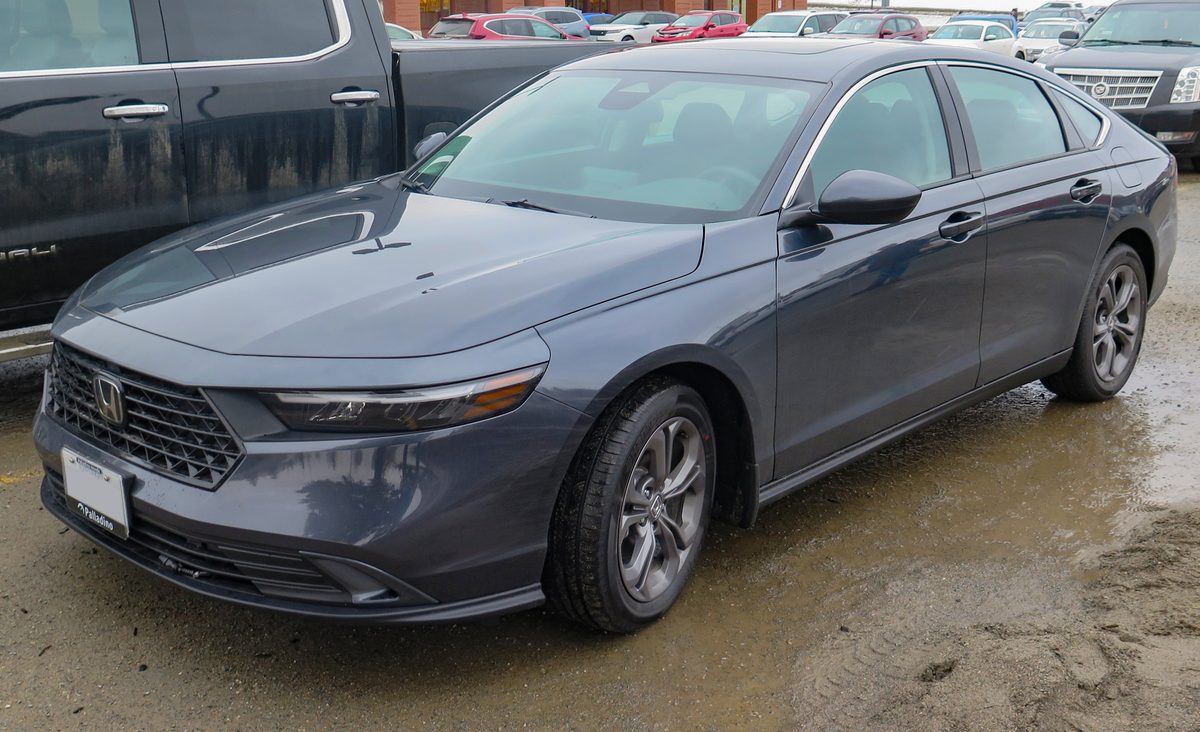
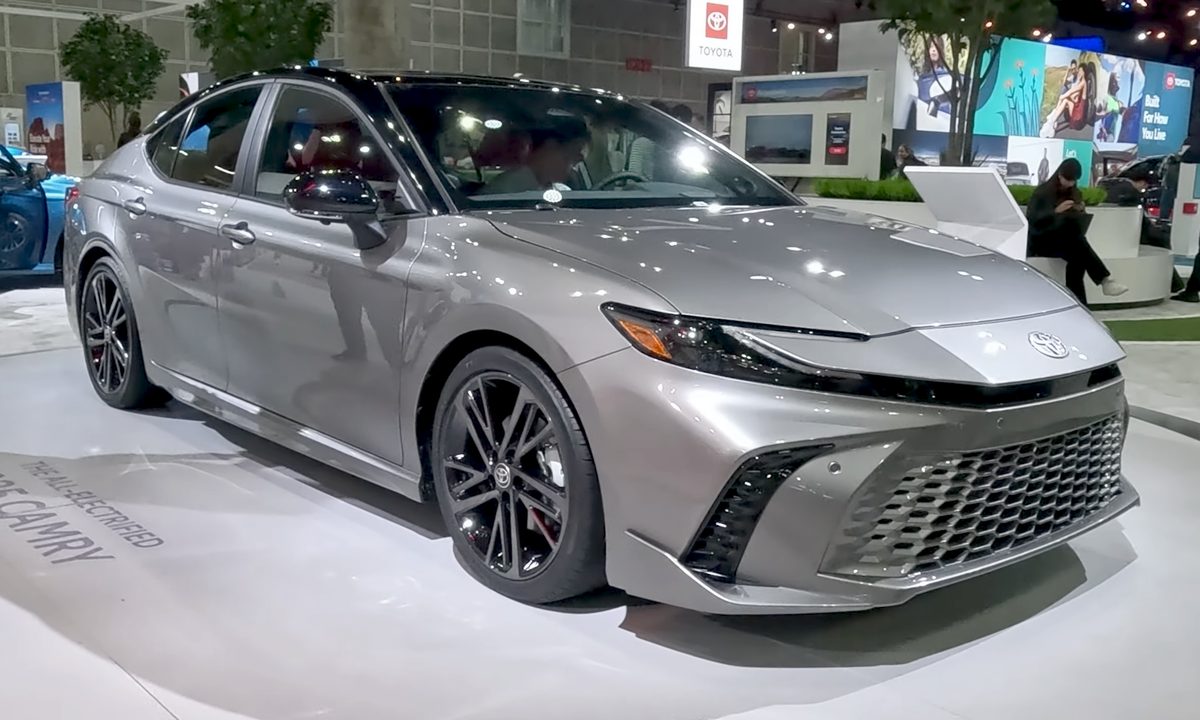
Toyota made a real, structural decision with the 2025 Camry that changes this whole comparison: every single trim is a hybrid now, no gas-only option left at all. Honda kept the Accord's lineup split — a standard turbocharged 1.5-liter four-cylinder as the base engine, with the hybrid powertrain reserved for the Sport trim and above. That one decision explains most of the real differences below.
Price. The Accord starts cheaper — $29,690 versus the Camry's $30,895, a real $1,205 gap at the entry point. But that Accord entry price buys the non-hybrid engine; matching the Camry's standard hybrid means stepping up to the Accord Sport at $33,655, which flips the price advantage to Toyota. At the top end the gap reopens the other way: the loaded Accord Touring reaches $39,300, well past the Camry XSE's $34,900 ceiling — Honda's top trim costs real money the Camry lineup doesn't ask for.
Power and fuel economy — the real trade-off. Honda's base 1.5-liter turbo makes up to 192 horsepower; its own hybrid option reaches 204. The Camry's hybrid, standard on every trim, makes 225-232 horsepower depending on configuration — genuinely stronger than either Accord engine. Where the Camry really pulls away is fuel economy: an EPA-estimated 52 city / 49 highway mpg against the Accord's 29 city / 37 highway on the non-hybrid engine. That's not a marginal difference — it's a car that costs meaningfully less to actually run, every trim, no upgrade required.
Driving character, from real road tests, not marketing copy. Car and Driver's own take on the Accord is a genuine surprise for a family sedan: "direct and feelsome steering, a firm brake pedal, and deft body control bring a sense of driver confidence akin to that of a sports sedan" — while the ride stays "supple enough to lull [rear passengers] to sleep" on the highway. The hybrid EX-L+ trim returned 39 mpg in C/D's own 75-mph highway test, a real, measured number, not the EPA sticker. The Camry XSE earns its own real praise: it "feels glued to the road" through winding sections without an uncomfortably stiff ride, with handling reviewers call "surefooted, secure, predictable," and a ride that stays "quiet at highway speeds, solid and secure over bumps." Its one recurring complaint across reviews: a brake pedal several testers describe as heavy and numb underfoot — a real, specific gripe, not a vague ding.
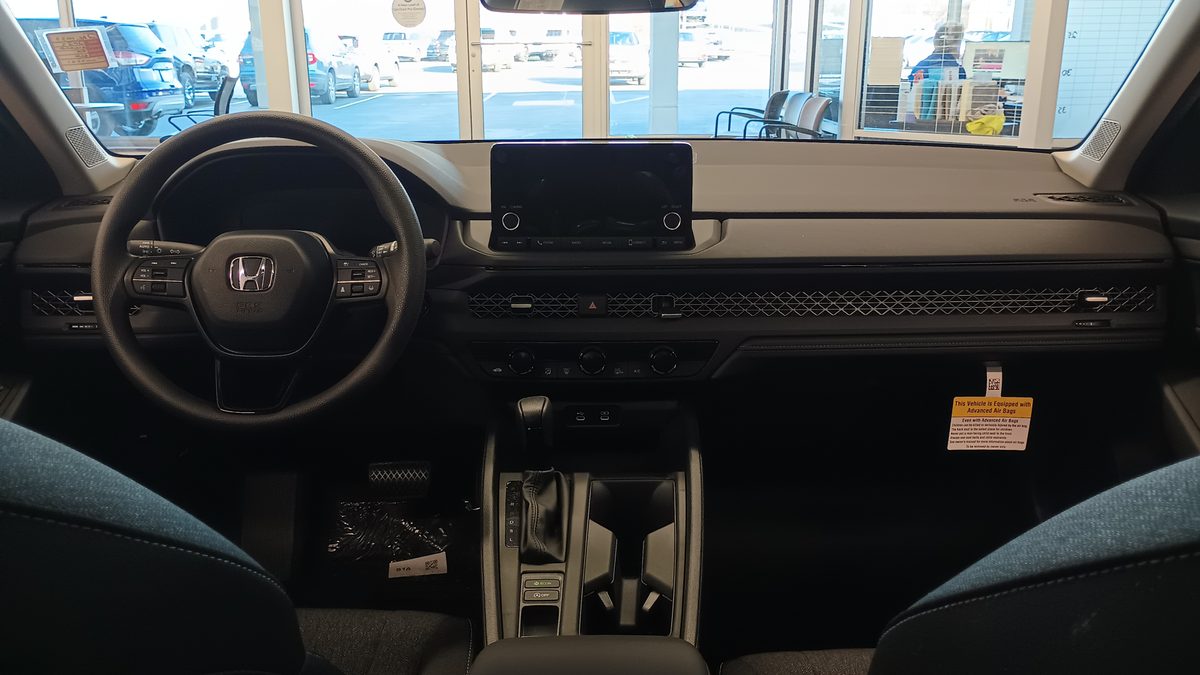
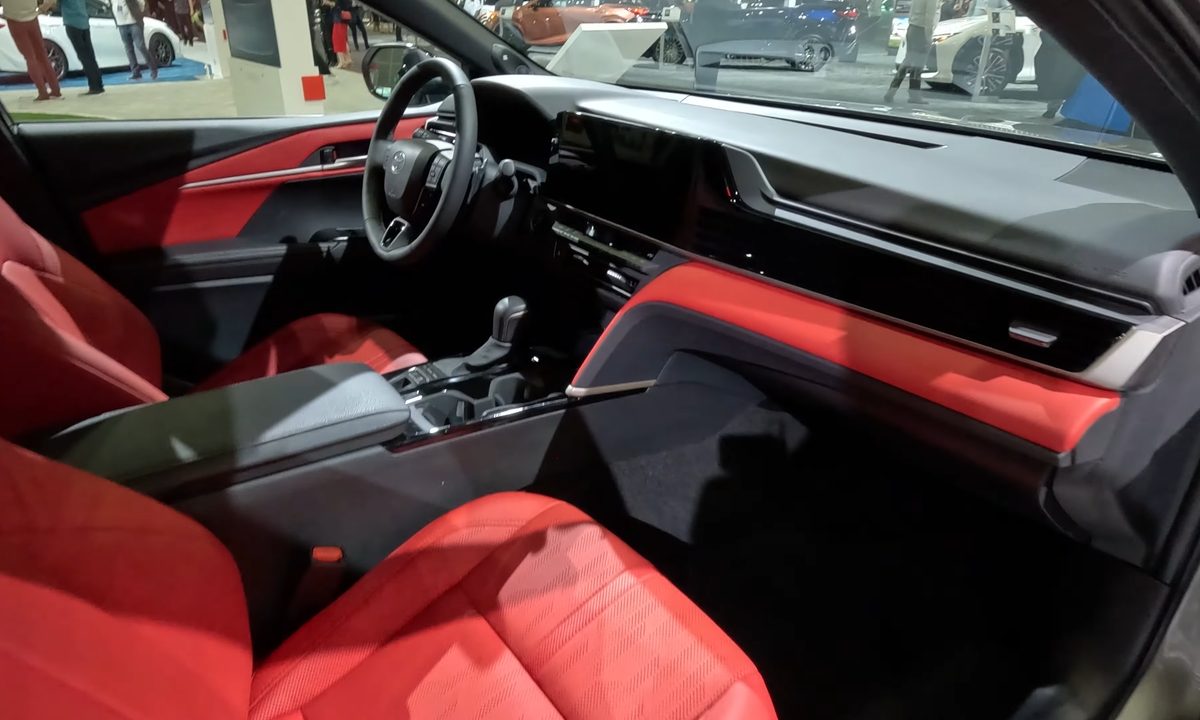
Interior and rear-seat space. The Accord has a genuine, measurable rear-legroom advantage: 40.8 inches against the Camry's 38.0 — 2.8 inches is real space a taller rear passenger will actually notice on a long drive. Both cabins present well for the segment; the real functional gap is that legroom number, not a subjective finish-quality call.
Ownership cost, with real numbers. Warranty coverage is identical on both — 3-year/36,000-mile basic, 5-year/60,000-mile powertrain, no advantage either way. Reliability data tells a clearer story: RepairPal rates the Accord 4.5 out of 5.0, ranked 1st of 24 midsize cars; the Camry comes in at 4.0 out of 5.0, ranked 3rd of 24 — both genuinely strong scores, with a real edge to Honda. Estimated annual repair costs land close either way — $400 for the Accord, $388 for the Camry — so the reliability gap shows up in fewer real problems over time, not a large difference in what any single repair costs.
Owners rate the two almost identically overall — 4.3 out of 5 for both on TrueCar, from a larger sample for the Accord (5,948 ratings) than the Camry (3,777). That parity suggests the real decision here isn't about overall satisfaction, it's about which trade-off actually matters to you: Honda's cheaper entry price, genuinely sporty road manners, and a real rear-legroom edge, against Toyota's standard-hybrid efficiency with a stronger engine and a simpler one-powertrain-fits-all lineup.
Related cars
Related articles
- October 2026 Car Sales Forecast: $823 Record Payment — Hybrids Reach 18.6% While Shoppers Pay More Each Month for a Market That Is Barely Growing
- Is an Extended Car Warranty Worth It in 2026? Consumer Reports Says 55% of Buyers Never Use Theirs, and the Average Buyer Recoups Only 70 Cents for Every Dollar Spent
- Used Car Loan Interest Hit $11,000 This Year — Nearly Double 2019, as Cox Automotive Says Wealthy Buyers Are Now Propping Up the Whole Market
- Winter Tires vs. All-Season: Do You Actually Need Them? A 30-Foot Difference in Stopping Distance Says Yes, If You Live Where It Actually Gets Cold