Tesla Model 3 vs Toyota Corolla: Which Costs Less? (2026) — A $14,265 Sticker Gap Against Fuel Savings of About $977 a Year, Before Depreciation Is Counted
The cheapest Model 3 finally sits near mainstream pricing, but a $14,265 gap over the cheapest Corolla is hard to earn back on fuel.
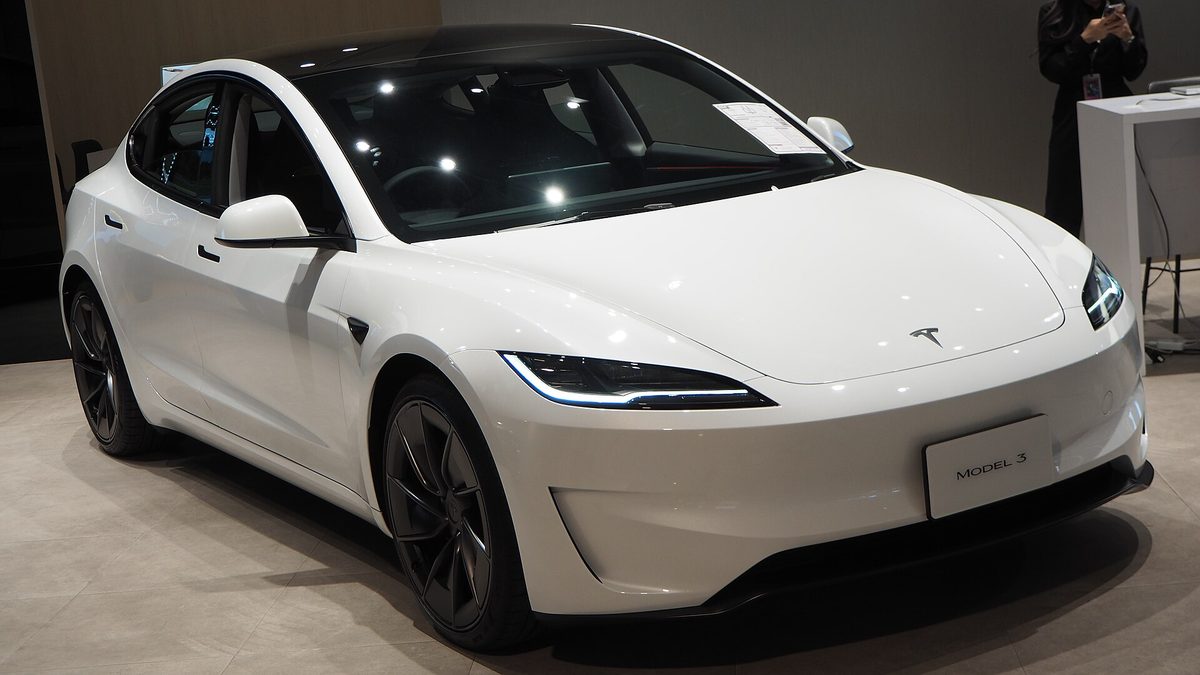
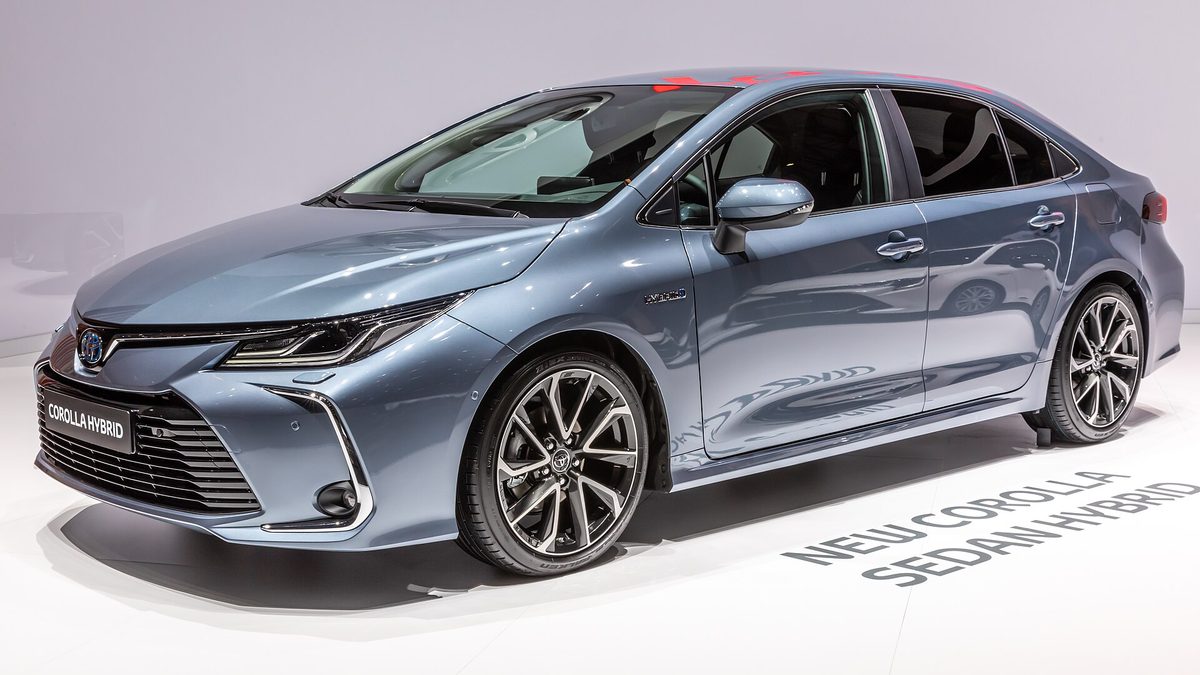
Searches for this pairing keep returning the same question: if a Tesla Model 3 saves you money on fuel and maintenance, does it eventually become the cheaper car than a Toyota Corolla? The answer depends almost entirely on which Corolla you price and how you count depreciation. On sticker price alone the Corolla wins by a wide margin, and on the numbers we could verify for late 2026, fuel savings do not close that gap within a normal ownership period.
The sticker gap
Tesla's cheapest Model 3 is the Standard, a rear-wheel-drive car launched in October 2025 at $36,990 before destination and order fees, which InsideEVs put at an estimated $38,630 all in. The federal EV tax credit no longer applies to it, so that is the figure to compare. The Corolla sedan starts at $22,725 for the LE before destination and dealer fees, according to Toyota's July 2025 release for the 2026 model year. Before fees, the Tesla costs $14,265 more.
The comparison that matters for a fuel-minded buyer is the Corolla Hybrid. Toyota lists it from $24,575 before fees, so the Model 3 Standard still carries a $12,415 premium. That is the number every fuel-savings argument has to beat.
What you get for the money
The Corolla LE uses a 2.0-liter four-cylinder with 169 horsepower and 151 lb-ft of torque, a CVT, and Toyota's estimate of 32 mpg city, 41 highway and 35 combined. Toyota Safety Sense 3.0 is standard, as are blind-spot monitoring with rear cross-traffic alert, an 8-inch touchscreen with wireless Apple CarPlay and Android Auto, and a 7-inch digital gauge cluster on the LE and SE.
The Corolla Hybrid pairs a 1.8-liter engine with Toyota's fifth-generation hybrid system for 138 net combined horsepower and an estimated 53 city, 46 highway and 50 combined mpg. Electronic on-demand all-wheel drive is available on the LE and SE grades. It is the slower car on paper, but it is the one that makes the Tesla's efficiency argument harder.
The Model 3 Standard is rated at 321 miles of range on 18-inch wheels and 24 kWh per 100 miles by the EPA. Edmunds drove one 339 miles on a full charge, about 6% beyond the rating, at roughly 23 kWh per 100 miles. Tesla cut the equipment to reach the price: no rear touchscreen, no ambient lighting, a manually adjusted steering wheel and mirrors, no Autosteer, no active dampers, no AM/FM tuner and no subwoofer. Supercharging adds about 170 miles in 15 minutes, against 195 miles on the pricier trims.
The Model 3 is a larger, heavier and much quicker car in its upper trims. iSeeCars' data page lists 4,030 pounds and 24.1 cubic feet of cargo space for the Model 3 against 2,955 pounds and 13.1 cubic feet for the Corolla, and 425 horsepower for the version it examined, a figure that belongs to a higher trim than the Standard. Toyota has not published a Corolla Hybrid trunk figure in the material we reviewed, so we do not compare it here. Both cars carry five-star NHTSA ratings according to the same page.
Fuel: where the Tesla really wins
The EIA put the US average regular gasoline price at $3.805 a gallon on November 16, 2026, and the average residential electricity price at 18.16 cents per kWh in August 2026, its latest month. At 15,000 miles a year, those numbers give the following, which is our own arithmetic and assumes all charging at home:
- Model 3 Standard at 24 kWh per 100 miles: 3,600 kWh a year, about $654. - Corolla at Toyota's 35 mpg combined: about 429 gallons, about $1,631. - Corolla Hybrid at 50 mpg combined: 300 gallons, about $1,142.
So the Tesla saves roughly $977 a year against the gas Corolla and roughly $488 against the hybrid. Divide the $14,265 sticker gap by $977 and it takes about 15 years to break even on fuel alone against the gas car. Against the hybrid, $12,415 divided by $488 is about 25 years. Public fast charging costs far more than home electricity, so a driver without a garage outlet should expect the Tesla's advantage to shrink or vanish.
Depreciation is the bigger bill
iSeeCars estimates that over five years the Corolla loses $7,318, or 32.2% of its value, while the Model 3 loses $24,507, or 57.7%. Its data is for a Model 3 with a $42,490 starting price, not the cheaper Standard, so the Standard's dollar loss will probably be smaller, but the percentage shows how quickly used Teslas have repriced. The same page puts the five-year resale value at $15,407 for the Corolla and $17,983 for the Model 3, so the Tesla holds more dollars while having lost far more of them.
That $17,189 difference in depreciation is about three and a half times the five-year fuel saving against a gas Corolla, which is roughly $4,900 by our math. For a buyer who keeps either car for five years, depreciation, not electricity, is what decides the cost.
Insurance and the studies that say it is a tie
Insurance narrows the Tesla's case further. A Self Financial study reported by Notebookcheck in January 2025 put average Model 3 insurance at $2,241 a year against $1,511 for the Corolla, a $730 gap that eats most of the fuel saving by itself. That study also reported a total annual cost of ownership of $5,061 for the Model 3 and $5,182 for the Corolla, a $121 edge to the Tesla.
We would not lean on that near-tie. The coverage in the article does not say what mileage, fuel prices or depreciation assumptions were used, and it predates the $36,990 Standard and the end of the tax credit. It is better read as a sign that the cars can be close under favorable assumptions than as a result for a 2026 buyer.
Charging, refueling and daily life
The two cars ask different things of an owner. A Corolla fills up in five minutes at any station, and the hybrid's 50 mpg estimate means fewer stops than the gas car. A Model 3 owner with a wall outlet or a 240-volt charger starts every day full, and Edmunds recorded an average charging speed of about 89 kW on the Standard against a 225 kW maximum input, which is the more useful number for a road trip stop than the peak.
The practical test is where the car sleeps. Home charging is what produces the $654 annual fuel figure above, and it is also what makes ownership pleasant. Renters, apartment dwellers and anyone parking on the street pay public-charger rates, which are well above the 18.16 cents per kWh residential average, and the gap to a 50 mpg hybrid can shrink to almost nothing.
Equipment, comfort and what Tesla removed
The Standard is not the Model 3 most reviews describe. By dropping Autosteer, active dampers, the rear screen and the radio tuner, Tesla made it a simpler car, and a shopper who liked the Model 3 in a showroom should confirm which trim they drove. The Corolla's equipment list is more conventional but arguably more complete for the money: full-speed adaptive cruise, lane tracing assist, road sign assist, automatic high beams and blind-spot monitoring are standard on every trim, and the XSE adds a 12.3-inch digital cluster and paddle shifters.
Which one fits which buyer
**Buy the Corolla if** you want the lowest total outlay, plan to keep the car for a decade, park on the street, or rely on public charging. It is cheaper to buy, loses far fewer dollars to depreciation and costs less to insure. Choose the hybrid if fuel economy matters to you: at 50 mpg it removes about half the Tesla's fuel advantage while keeping a lower price. iSeeCars rates the Corolla 7.8 out of 10 for reliability and 9.0 out of 10 for retained value.
**Buy the Model 3 Standard if** you charge at home, drive well above 15,000 miles a year, and value the space, the 321-mile range and the quicker, quieter drive more than the price gap. The longer warranties help: iSeeCars lists 4 years or 50,000 miles basic and 8 years or 120,000 miles on the battery and drive unit, against 3 years or 36,000 miles and 5 years or 60,000 miles for Toyota.
**Think twice about the Tesla if** you expect to sell within five years. The fall in resale value is the single largest cost in this comparison, and it is the one a lower electricity bill cannot offset.
The bottom line
The Corolla is the cheaper car to buy and, on the best figures available, the cheaper car to own for most drivers. The Model 3 Standard is the better car to drive, with more space and far lower fuel cost, but about $14,000 more up front and steeper depreciation. If a $1,000 a year fuel saving is the reason you are considering the Tesla, the math does not support it. If you want what the Tesla is, it is now a more affordable way to get it than at any earlier point, and it is a reasonable purchase on those grounds rather than on savings.
| Tesla Model 3 Standard | Toyota Corolla LE | Toyota Corolla Hybrid LE | |
|---|---|---|---|
| Starting price (before destination) | $36,990 | $22,725 | $24,575 |
| Powertrain | Electric, rear-wheel drive | 2.0L 4-cyl, CVT | 1.8L hybrid, FWD (AWD available) |
| Efficiency | 24 kWh/100 mi | 32/41/35 mpg | 53/46/50 mpg |
| Range / output | 321 mi EPA | 169 hp | 138 hp |
| Estimated fuel cost, 15,000 mi/yr | $654 (home charging) | $1,631 | $1,142 |
| Federal EV tax credit | None | N/A | N/A |
Related cars
Related articles
- EV Range Explained: Why the EPA Number Isn't What You Get — How the Sticker Is Built, a 215-Mile Highway Test Against a 259-Mile Rating, and a 63-Mile Spread Inside One Model
- Polestar 2 vs Tesla Model 3: Worth Buying the Last One? Tariffs Already Pulled It From Sale, and a 2027 Rule Pushes the Whole Brand Out of the US Next
- Lucid Air vs Tesla Model S: Which Is Better in 2026? — The Air Is Still Being Built, While the Model S Is Down to Leftover Stock Priced Near $110,000
- Toyota Corolla vs Honda Civic: Which Is Better in 2026? The Cheaper Hybrid Against the Roomier, Quicker One
Sources
- Toyota Pressroom — Bold and Compact: The 2026 Toyota Corolla
- Toyota Pressroom — The Toyota Corolla Hybrid Brings Efficiency and Style into 2026
- InsideEVs — Tesla Model 3 Standard
- InsideEVs — Tesla Model 3 Standard Beats EPA Range
- iSeeCars — Toyota Corolla vs Tesla Model 3
- Notebookcheck — Tesla Model 3 cost of ownership vs Corolla
- EIA — Gasoline and Diesel Fuel Update
- EIA — Electric Power Monthly, Table 5.6.A