Hyundai Ioniq 5 vs Kia EV6: Which Should You Buy? (2026) — The Ioniq 5 Costs $2,900 Less and Fits More Cargo, While the EV6 Drives Tighter and Edges It on EPA Range
Corporate siblings built on the same E-GMP platform split in price, cargo room, and driving feel — here's what actually separates a $35,000 Ioniq 5 from a $37,900 EV6.
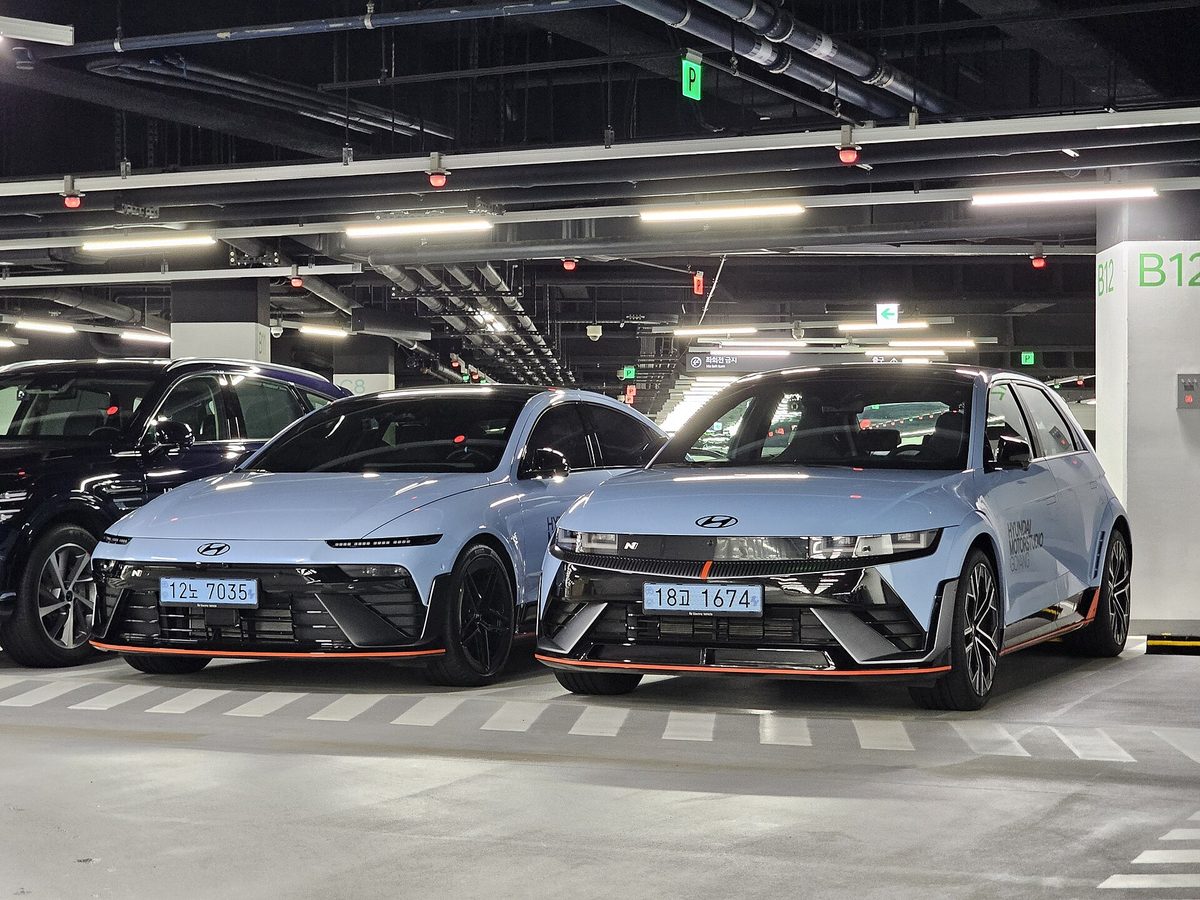
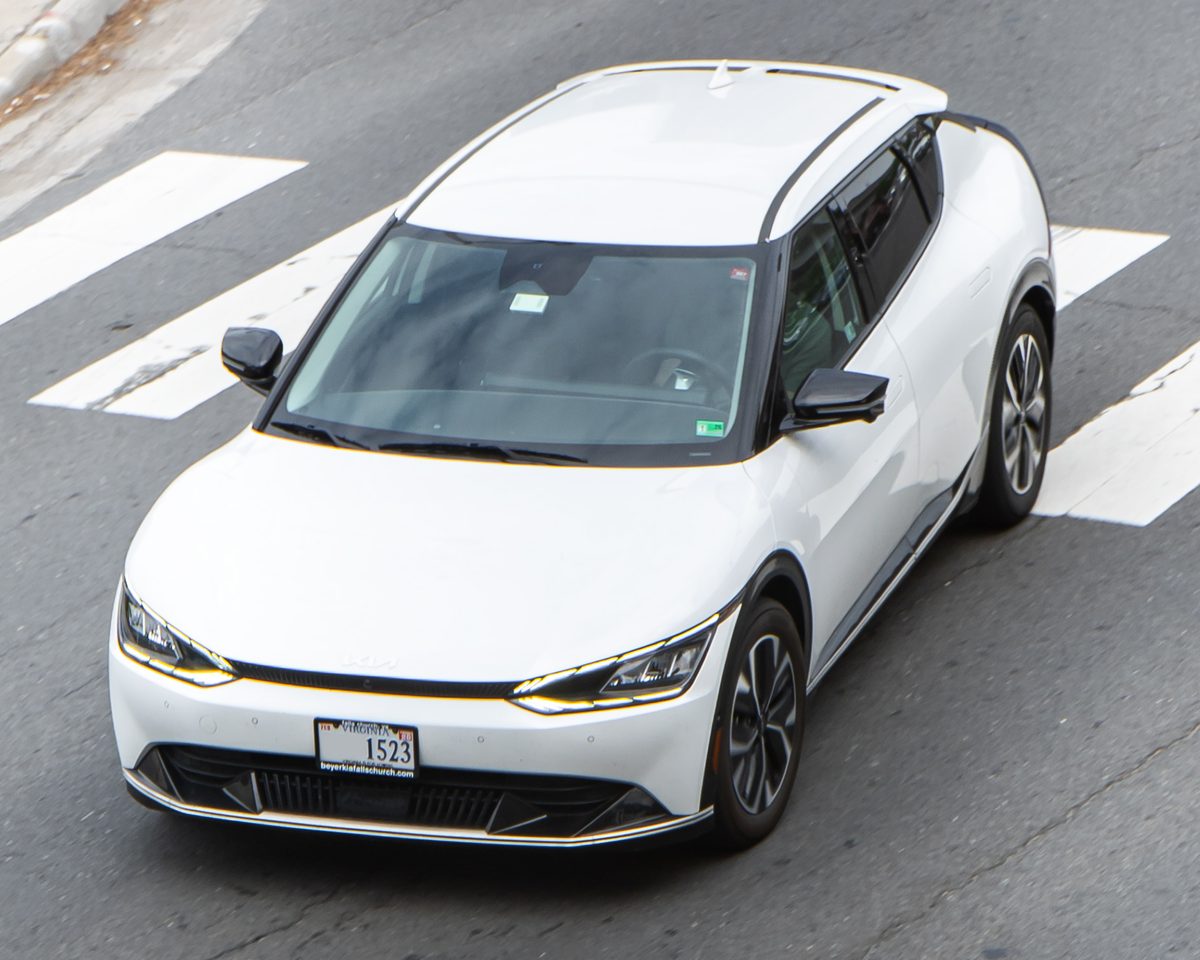
The Hyundai Ioniq 5 and Kia EV6 share a corporate parent, a platform, and most of their running gear — both ride on Hyundai Motor Group's E-GMP architecture, both offer 63-kWh and 84-kWh battery options, and both can hit 350-kW DC fast charging. That mechanical overlap is exactly why cross-shopping them is so common: when two EVs are this close under the skin, the decision comes down to price, space, and the details each automaker chose to do differently.
Pricing starts the gap. The 2026 Ioniq 5 opens at $35,000 for the SE Standard Range RWD, climbing through SE Long Range ($37,500), SEL ($39,800), Limited ($45,075), and XRT AWD ($46,275). The 2026 EV6 starts $2,900 higher at $37,900 for the base Light trim, with Light Long Range at $46,745, Wind at $50,345, and GT-Line topping the lineup at $54,545. Every Ioniq 5 trim undercuts its closest EV6 equivalent, and Hyundai actually cut Ioniq 5 pricing by roughly $9,155 on average for 2026 — a meaningful move in a segment where several rivals have been raising prices.
Range tells a near-identical story on both ends. The base Ioniq 5 SE Standard Range is EPA-rated around 245 miles, while the long-range RWD version with the 84-kWh pack reaches up to 318 miles; AWD versions top out near 290 miles. The EV6 runs a similar spread: the Light trim's 63-kWh pack is rated near 237 miles, and the Light Long Range RWD with the 84-kWh pack reaches the EV6's EPA ceiling of 319 miles — a single mile ahead of the Ioniq 5's best RWD figure, well within the margin where real-world driving habits matter more than the window sticker.
Efficiency numbers favor the Ioniq 5 by a slightly wider margin than range alone suggests. Hyundai's SE Standard Range RWD is rated at 115 MPGe combined, and even the larger-battery RWD trims hold at 114 MPGe; AWD versions drop to 106 MPGe, and the performance-oriented XRT falls to 94 MPGe. The EV6 Light RWD matches the Ioniq 5's best figure at 115 MPGe combined, but EV6 AWD variants fall further, to 97–106 MPGe depending on wheel size — a wider efficiency penalty for choosing all-wheel drive than Hyundai's own lineup carries.
Cargo space is where the Ioniq 5's slightly taller, more upright body pays off. Behind the rear seats, the Ioniq 5 holds 27.2 cubic feet to the EV6's 24.4 — and with the rear seats folded, the gap widens further, to roughly 59 cubic feet for the Hyundai against about 50 for the Kia. Interior passenger volume follows the same pattern: 106.5 cubic feet in the Ioniq 5 versus 103.0 in the EV6, with Hyundai's own dimensions showing an edge in rear headroom, shoulder room, and rear legroom specifically. None of this is hypothetical — it's the direct, physical consequence of the Ioniq 5's boxier, parallelogram-inspired silhouette against the EV6's lower, fastback-like roofline.
That same roofline is the reason the EV6 drives the way several outlets have described it: tighter, more eager, and less like an appliance than its specs alone would suggest. Road testers have pointed to a stiffer rear anti-roll bar and a lower center of gravity as the mechanical reasons the EV6 holds its line through a corner more confidently than the taller Ioniq 5, even though both share a wheelbase and most suspension hardware. Hyundai's own XRT trim leans the opposite direction entirely — raised ride height and all-terrain-style tuning aimed at light off-road use, a variant Kia doesn't currently match anywhere in the EV6 lineup.
At the top of each range, performance converges again. Hyundai's Ioniq 5 N and Kia's EV6 GT are both dual-motor, track-oriented variants capable of 0-60 mph in roughly 3.4 seconds in their quickest forms — numbers that put either one ahead of plenty of gas-powered performance cars twice their price, and squarely in competition with each other for buyers who want E-GMP's underpinnings with genuine straight-line speed attached.
Charging infrastructure is now a non-issue for either car in the US: both the Ioniq 5 and EV6 ship with native NACS (Tesla-style) charge ports as of the current model year, giving both direct access to the Tesla Supercharger network without an adapter, on top of the CCS fast-charging network both have used since launch. The shared 800-volt E-GMP architecture also means both can hit a genuine 10-80% charge in about 18 minutes on a 350-kW DC fast charger — among the quickest charging times of any EV sold in the US, gas-adjacent in a way few other electric vehicles can match, and identical between the two since the hardware underneath is the same.
Inside, the shared platform stops dictating the experience almost entirely. The EV6's cabin wraps its curved digital instrument cluster and infotainment display around the driver in a single sweeping unit, with a layout several reviewers call more driver-focused — climate and media controls are grouped into one sliding panel that switches function with a tap. The Ioniq 5 takes a more literal, physical-button-friendly approach: separate gauge and infotainment screens sit side by side under one glass panel, but Hyundai kept more dedicated buttons for climate and common functions, which testers consistently describe as the easier layout to operate without looking away from the road — a real consideration for buyers cross-shopping with small kids or who simply dislike touch-only controls.
Warranty coverage is close to identical on paper. Both brands back their EVs with a 5-year/60,000-mile new-vehicle limited warranty and a 10-year/100,000-mile battery warranty — among the longest in the industry regardless of powertrain. The difference shows up in roadside assistance: Hyundai's runs 5 years with unlimited mileage, while Kia's is capped at 5 years/60,000 miles, a minor but real edge for Hyundai owners who rack up highway miles.
Resale value tilts toward the Ioniq 5 as well, though not by a dramatic margin. Industry depreciation tracking has the EV6 losing about 61.5% of its value over five years against roughly 59.1% for the Ioniq 5 — a 2.4-percentage-point gap that favors Hyundai, and one that's already visible at the two-year mark. Neither number is flattering next to a gas-powered crossover, which is typical for the EV segment broadly as battery tech and incentives keep shifting, but it's one more data point tipping slightly toward the cheaper, roomier Ioniq 5 for buyers thinking about trade-in value down the road.
So which is the better buy? If the priority is cargo space, interior room, physical controls, and the lowest entry price, the Ioniq 5 wins on paper in nearly every category that's easy to measure — $2,900 cheaper to start, more trunk space folded and unfolded, more passenger volume throughout the cabin, slightly better resale, and unlimited-mileage roadside assistance. If the priority is how the car feels from behind the wheel — a lower seating position, a sportier silhouette, a more wraparound cockpit, and tighter body control in corners — the EV6 is the one reviewers consistently describe as more engaging to actually drive, at the cost of some trunk space and a higher starting price. Buyers cross-shopping both should also weigh dealer network and service experience separately, since Hyundai's and Kia's are run independently despite the shared platform underneath.
| Spec | Hyundai Ioniq 5 | Kia EV6 |
|---|---|---|
| Starting price | $35,000 | $37,900 |
| Top trim price | $46,275 (XRT) | $54,545 (GT-Line) |
| Max EPA range | 318 mi | 319 mi |
| Best MPGe combined | 115 | 115 |
| Cargo (seats up) | 27.2 cu ft | 24.4 cu ft |
| Cargo (seats folded) | ~59 cu ft | ~50 cu ft |
| Passenger volume | 106.5 cu ft | 103.0 cu ft |
| Quickest 0-60 mph | ~3.4 sec (N) | ~3.4 sec (GT) |
| Native charge port | NACS | NACS |
Related cars
Related articles
- NACS vs CCS: Which EV Charging Plug Matters in 2026? Who Can Use Superchargers, What You Need to Carry, and Why a Port Does Not Set Your Charging Speed
- EV Range Explained: Why the EPA Number Isn't What You Get — How the Sticker Is Built, a 215-Mile Highway Test Against a 259-Mile Rating, and a 63-Mile Spread Inside One Model
- Rivian R1T vs Tesla Cybertruck: Which Should You Buy? Tesla Is Winding Cybertruck Production Down in 2027, While Rivian Just Made the R1T Harder to Walk Away From
- 2027 Kia EV6 Price: From $37,900, Unchanged for 2027 — A Carryover Crossover That Now Costs $8,000 More Than Kia's New EV3