Rivian R1T vs Tesla Cybertruck: Which Should You Buy? Tesla Is Winding Cybertruck Production Down in 2027, While Rivian Just Made the R1T Harder to Walk Away From
One electric pickup has a confirmed end date. The other just got a cheaper base trim and a longer bed disadvantage. Here's what actually separates them.
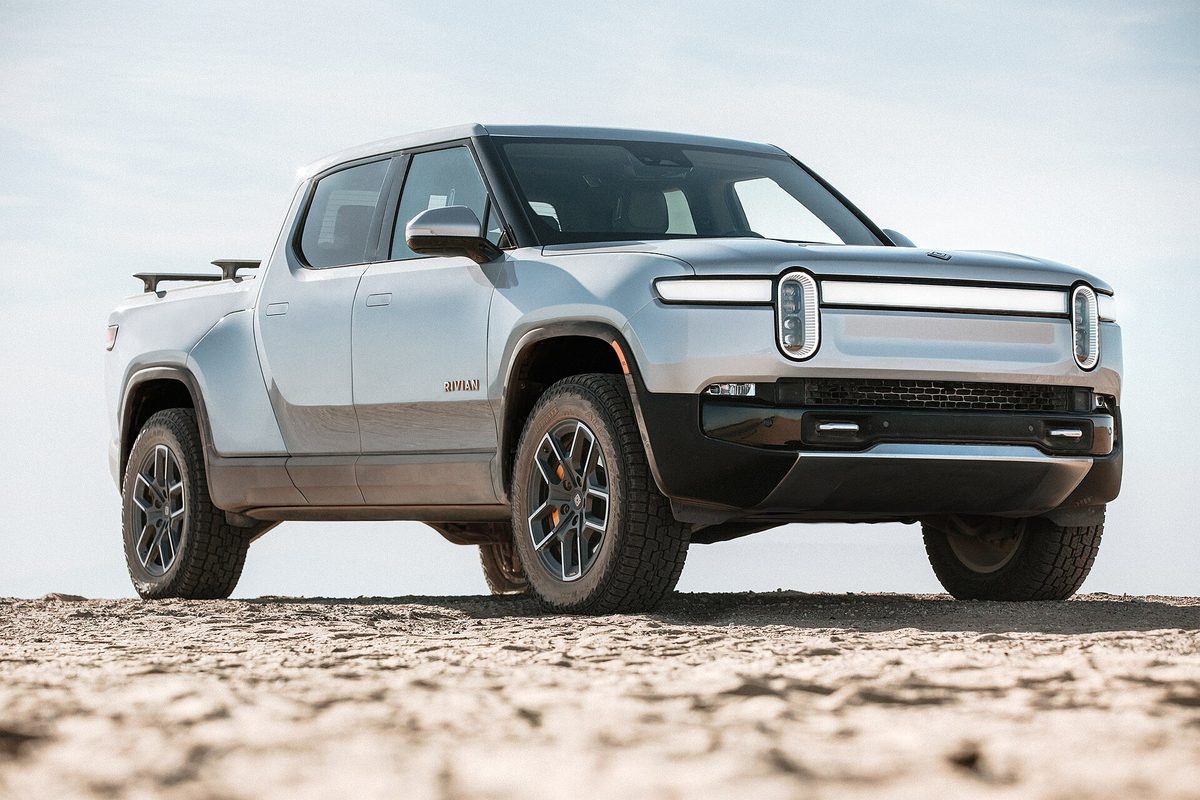
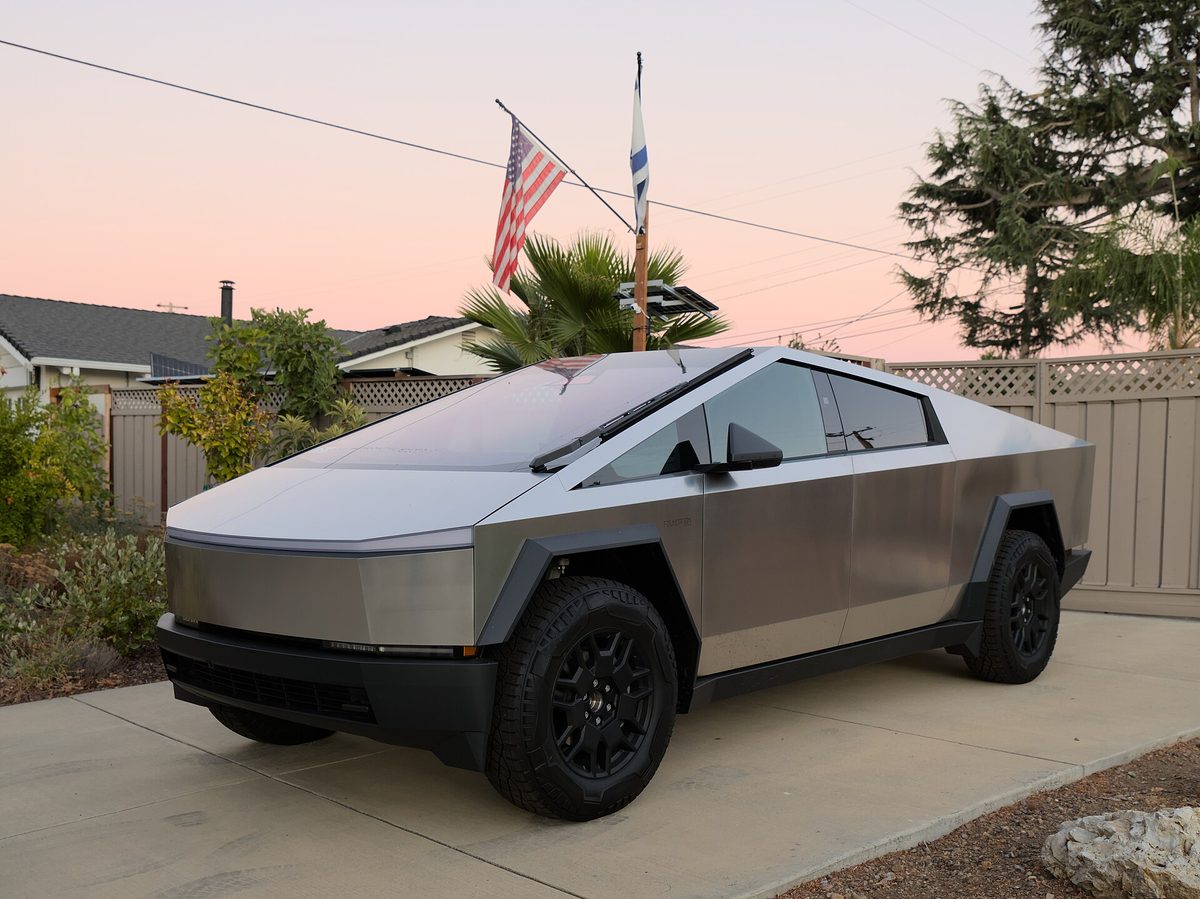
Two electric pickup trucks reshaped what a work truck could look like, and by late 2026 they're pointed in opposite directions. Tesla has told investors it will wind down Cybertruck production in mid-2027, after barely three years on sale and well short of the 250,000-unit annual volume Elon Musk once promised. Rivian, meanwhile, just restructured the R1T's trim lineup to push its starting price down and is scaling up a second factory in Georgia to build the cheaper R2 alongside it. Buying either truck today means buying into a very different five-year outlook, and that's before you even get to the question of which one tows more, charges faster, or holds its value.
The Short Answer
If you want the more conventional truck experience — a real load bed, more predictable payload, and a manufacturer that isn't actively discontinuing the model — the Rivian R1T is the safer pick. If you want the most capability per dollar, a faster charging network today, and don't mind owning something Tesla has already said it will stop building, the Cybertruck AWD is hard to beat on price-to-performance. Buyers cross-shopping a Ford F-150 Lightning should note that truck has also been discontinued as a production model, which leaves the R1T as the only one of the three still planned for a next generation.
Price: Rivian Got Cheaper, Tesla Got Simpler
Rivian spent mid-2026 trimming the R1T lineup rather than expanding it. The brand discontinued the entry Dual Standard pack and now starts the R1T at $81,885 for a Dual Large Pack with 270 miles of range, running up to $117,885–$121,885 for the Quad Launch Edition with 1,025 horsepower. A $5,000 Performance Upgrade package is available on the Dual trim for buyers who want more power without stepping up to the Quad.
Tesla went the other direction. After discontinuing the single-motor rear-drive Long Range trim just five months after launch, the 2026 Cybertruck lineup is down to three trims: the dual-motor AWD at $69,990, a Premium trim near $79,990, and the tri-motor Cyberbeast at $99,990. That AWD base trim undercuts the R1T's current starting price by roughly $12,000, which matters more than almost any spec sheet number for buyers cross-shopping on monthly payment.
Range and Battery
The R1T's range spread is wide and tied directly to motor count. The base Dual Large trim is EPA-rated at 270 miles, the Dual Max battery pushes to roughly 420 miles on the 140-kWh pack, and the Quad — with four motors and far more weight to move — drops back to 375–400 miles depending on battery mode. That's the tradeoff Rivian is selling: maximum capability costs you some range.
Cybertruck's AWD trim is EPA-rated at 325 miles, sitting between the R1T's base and Max range figures, while the tri-motor Cyberbeast trades range for a 2.6-second 0–60 time. Neither truck is class-leading on range next to a gas-powered half-ton, but both comfortably cover a typical commute-plus-errands week on a single charge if you're not towing.
Performance and Towing
This is where the two trucks are closest. Both the R1T Quad and the Cybertruck AWD top out at an 11,000-lb maximum tow rating, which puts either truck in line with a well-equipped gas half-ton like the F-150 or Silverado 1500 — enough for a mid-size travel trailer or a loaded car hauler, though real-world range drops sharply under tow load on any EV, often by 40–50%.
Acceleration separates them more. The Cybertruck AWD does 0–60 in about 4.1 seconds and the Cyberbeast in roughly 2.6; Rivian's Dual trim runs 4.5 seconds, the Dual Performance 3.4, and the Quad 2.5 — essentially a dead heat with the Cyberbeast at the top end, achieved with four motors instead of three.
Payload and the Bed Rivian Doesn't Have
Here's a spec that doesn't show up in most spec-sheet comparisons but matters if you actually haul things: the Cybertruck's bed is 72.9 inches long — just over six feet, enough for 4-by-8 sheet goods to lie flat with the tailgate up. The R1T's bed is 54.2 inches, closer to a mid-size truck's load floor, and Rivian leans on its front trunk and gear tunnel (a pass-through storage area behind the cab) to make up the difference in usable cargo volume rather than bed length alone.
Payload tells a similar story in reverse at the top end: the Cybertruck AWD carries up to 2,500 lbs, while the R1T Quad is rated at 1,764 lbs and the Dual trims at 1,984 lbs. If bed length and payload are the deciding factor for actual work use, Cybertruck wins clearly; if cab storage and a frunk matter more than bed length, the R1T's layout is more versatile day to day.
Charging
Both trucks use the NACS plug natively. Cybertruck owners get first-party access to Tesla's Supercharger network, with V4 stalls rated to 250 kW and a 10–80% add in roughly 18 minutes — still the densest and most reliable fast-charging network in North America. Rivian vehicles also charge on Tesla Superchargers via NACS, plus Rivian's own smaller but growing Adventure Network of DC fast chargers built around off-road-adjacent locations rather than highway corridors. In practice, Cybertruck owners have an edge on road-trip charging reliability simply because they're plugging into the network Tesla built for itself.
Interior, Tech and Daily Driving
The two trucks make almost opposite bets on how a dashboard should look and work. The Cybertruck's cabin is built around a single large central touchscreen and a steer-by-wire system with a yoke-style wheel on some trims, with climate and drive functions routed almost entirely through the screen — a layout that reviewers either love for its minimalism or find distracting for basic tasks like adjusting mirrors mid-drive. The R1T keeps a conventional round steering wheel and pairs a central touchscreen with a second driver's-side display for gauges, a more familiar split that most buyers coming from a gas truck will find easier to adapt to immediately.
Both trucks support hands-off or hands-on driver assistance on highways — Tesla's system has the longer track record and more aggressive feature rollout cadence over the air, while Rivian's Driver+ has closed much of the gap in the last two model years but still trails Tesla on the number of roads where hands-free driving is enabled. For buyers who prioritize frequent software updates and new features arriving after purchase, Tesla's update cadence remains the more active one of the two, Cybertruck's looming production end notwithstanding — Tesla has said software support continues for the life of the fleet.
Off-Road Capability
Rivian built the R1T around adjustable air suspension with up to roughly 14.9 inches of travel and a claimed water-fording depth of about 3 feet, features aimed squarely at buyers cross-shopping a Land Cruiser or a well-optioned Wrangler as much as a half-ton pickup. Cybertruck also offers adjustable air suspension and reasonable ground clearance, but Tesla has marketed it less around technical trail capability and more around sheer power and the novelty of the stainless-steel body shrugging off brush scratches that would dent a painted truck bed. Buyers who actually wheel their truck off-pavement regularly will find more purpose-built hardware and a longer history of overlanding-focused accessories on the R1T.
Ownership and Warranty
The basic vehicle warranties are identical on paper — 4 years/50,000 miles on both trucks. The battery and drive unit coverage differs: Tesla covers the Cybertruck's battery and drive units for 8 years/120,000 miles with a 70% capacity floor, while Rivian's battery warranty runs 8 years/175,000 miles, a meaningfully longer mileage window for high-mileage owners. Resale is the bigger unknown for both. Rivian has a shorter track record but a company still planning a multi-generation future; Cybertruck resale values have already softened faster than Tesla's sedans and crossovers, partly because of the stainless-steel body's well-documented repair costs after even minor collisions.
The Production Wind-Down Question
Tesla's mid-2027 wind-down doesn't mean existing Cybertrucks stop working or lose parts support overnight — Tesla will keep servicing the fleet, and the Supercharger network isn't going anywhere. But it does mean no future model-year updates, no next-generation redesign, and a buyer today is purchasing what is effectively a finished product rather than the start of a lineage. Musk has said the factory capacity will shift toward the Cybercab robotaxi. Rivian's R1T, by contrast, is the first vehicle in a platform the company is actively expanding — the cheaper R2 and R3 crossovers share engineering with it, and Rivian has stated intentions to keep the R1T in production alongside them.
Which Should You Buy
Buyers who tow occasionally, want the single longest bed and highest payload in the class, and plan to lean on Tesla's charging network for road trips will get the most capability per dollar out of the Cybertruck AWD — just go in knowing you're buying a truck with a confirmed end date and no second generation coming. Buyers who want a more conventional cab-and-bed layout, slightly more range at the entry price point, a longer battery warranty, and a manufacturer still investing in the platform's future should lean toward the Rivian R1T, accepting a roughly $12,000 higher starting price and a shorter composite bed for it. Neither is the safe, boring choice gas-truck buyers are used to — but between the two, Rivian is the one still building toward a next chapter.
| Rivian R1T | Tesla Cybertruck | |
|---|---|---|
| Starting price | $81,885 (Dual Large) | $69,990 (AWD) |
| Top trim price | $121,885 (Quad Launch Edition) | $99,990 (Cyberbeast) |
| EPA range | 270–420 mi (trim-dependent) | 325 mi (AWD) |
| 0–60 mph | 4.5 sec (Dual) / 2.5 sec (Quad) | 4.1 sec (AWD) / 2.6 sec (Cyberbeast) |
| Max towing | 11,000 lbs (Quad) | 11,000 lbs |
| Max payload | 1,984 lbs (Dual) | 2,500 lbs |
| Bed length | 54.2 in + front trunk/gear tunnel | 72.9 in composite bed |
| Fast charging | NACS; Tesla Superchargers + Rivian Adventure Network | NACS; Tesla Superchargers, 250 kW V4, 10-80% in ~18 min |
| Battery warranty | 8 yr / 175,000 mi | 8 yr / 120,000 mi, 70% capacity floor |
| Production outlook | Current generation of an expanding platform (R2/R3 share it) | Wind-down starting mid-2027, no next generation planned |
Related cars
Related articles
- EV Range Explained: Why the EPA Number Isn't What You Get — How the Sticker Is Built, a 215-Mile Highway Test Against a 259-Mile Rating, and a 63-Mile Spread Inside One Model
- Cybertruck Production Ending Mid-2027, Musk Says — Tesla Gives Up Its Stainless Pickup After Three Years to Make Room for the Cybercab
- Tundra vs F-150: Which Truck Should You Buy? (2027) — Toyota's Safety Pick and Hybrid Off-Roaders Against Ford's Lower Price, Higher Towing and 23-MPG Hybrid
- Is the Rivian R1T Worth It in 2026? A Buyer's Guide — Quad Max Hits 60 MPH in 2.5 Seconds, But the All-Touchscreen Cabin and $123,885 Sticker Are the Real Trade-Offs
Sources
- Autoblog — 2026 Rivian R1T Review, Specs, Pricing, and Warranty
- The Weekly Driver — 2026 Rivian R1T Buyer's Guide: Quad Motor, Lightning, Cybertruck Compared
- Edmunds — 2026 Rivian R1T Specs & Features
- Carscounsel — Rivian R1T Towing Capacity (All Years 2022-2026)
- tech-insider.org — Cybertruck Wind-Down: 3 Trims, $74,990 Start [2026]
- InsideEVs — Tesla Cybertruck: The Full Delivery Specs
- autoedgeview.com — 2026 Tesla Cybertruck Cyberbeast Review: Range, Charging & Real-World Specs