GM's EV Sales Fall by Up to 93% in Q3 as Toyota's Hybrids Close the Gap to 38,000 Vehicles
General Motors' third-quarter US sales fell 5.5% while Toyota's rose 0.6%, and the difference is almost entirely about what powers the cars. More than 57% of the vehicles Toyota sold were hybrids, plug-in hybrids or EVs.
The two largest sellers of new vehicles in the United States reported third-quarter results on October 1, 2026, and the numbers describe a market that has changed its mind about electric cars in the space of a year. General Motors sold 670,974 vehicles between July and September, down 5.5% from 710,347 in the same quarter of 2025. Toyota Motor North America sold 633,223, up 0.6%. That leaves GM ahead by 37,751 vehicles for the quarter.
The decline at GM is concentrated in one place. According to GM Authority's breakdown of the company's figures, the Chevrolet Equinox EV, GM's volume electric model, sold 1,705 units in the quarter, down 93.2%; other reports of the same results put the figure slightly higher and the drop at 92.4%. The Blazer EV fell 84.4% to 1,261, the GMC Hummer EV 72.9% to 1,423, the Silverado EV 58.0% to 1,655, and the Cadillac Lyriq 50.5% to 3,617. Cadillac, the GM brand that had leaned hardest into electric models, was down 30.0% overall, to 32,560 vehicles.
The comparison is steeper than the underlying demand, and the reason is the calendar. The federal tax credit of up to $7,500 for new electric vehicles ended on September 30, 2025, and buyers rushed to take delivery before it did. The third quarter of 2025 was therefore an unusually strong one for EV sales, and this year's quarter is being measured against it. Even allowing for that, selling fewer than 2,000 Equinox EVs in three months, in a country that buys more than a million new vehicles a month, shows how much of last year's demand was the subsidy.
GM's conventional business held up better. The Chevrolet Silverado, its best seller, rose 4.4% to 144,984 trucks. The Chevrolet Trax, a small crossover that starts in the low $20,000s, rose 16.3% to 57,917, and Buick, whose lineup is built around similarly affordable crossovers, was the only GM brand to grow, up 7.9% to 43,990. The gasoline Equinox fell 8.8% to 67,203. Duncan Aldred, GM's North America president, said the business "is performing very well" and that the launch of the company's next-generation full-size pickups is on track. Through nine months GM has sold 2,012,299 vehicles in the US, down 6.4%.
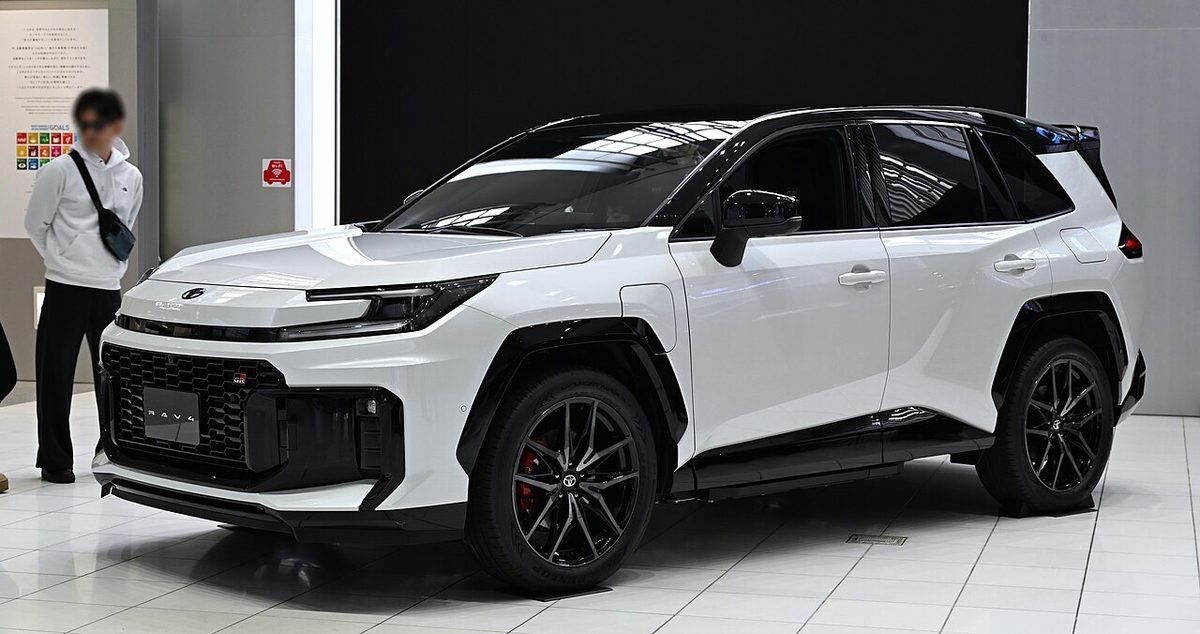
Toyota's quarter looks flat until you look at the mix. Its sales of what it calls electrified vehicles, a category that is mostly hybrids, rose 28.5% to 363,367, or 57.4% of everything the company sold. In September alone the share was 58.2%, and the Toyota brand reached what the company called an all-time best electrification mix of 61%. Total September sales rose 8.4% to 201,306. "Our third-quarter results reinforce a simple truth: customers want choices," said Andrew Gilleland, senior vice president of Toyota's Automotive Operations Group. Part of that shift is by design: models such as the redesigned 2026 RAV4 are now sold only with hybrid or plug-in hybrid powertrains.
The same pattern shows up outside the two giants. BMW reported 100,210 US sales for the quarter, up 3.4%, with plug-in hybrid sales up 23.2% even as its total electrified sales fell 24.9% because fewer buyers chose its fully electric models, according to BMW Blog's summary of the results. Rivian, which sells only electric vehicles, said in a regulatory filing that it delivered 19,248 vehicles in the quarter and built 19,751.
For someone shopping for a car this fall, the results point to two practical things. Hybrids are where demand is, so the popular ones are the models least likely to be discounted, and it is worth asking a dealer about wait times before settling on a specific trim. Electric models are the opposite case: with sales this far down, slow-selling EVs are where discounts and subsidized lease offers tend to concentrate, so a buyer who can charge at home and was put off by price a year ago has reason to ask for a better offer now.
The caution is that one quarter measured against a distorted one does not settle where the market is going. Fourth-quarter results, which will be compared with the months right after the credit expired, will be a fairer test of how many Americans want an electric car at its real price. What the third quarter does establish is which carmakers were positioned for the answer to be "fewer than expected": the ones with a hybrid version of almost everything they sell.
Related cars
Related articles
- 2026 Tesla Model Y vs Mustang Mach-E: Which EV to Buy? More Range and Faster Charging Against a Calmer Ride and a Lower Price
- 2026 Toyota RAV4 vs Honda CR-V Hybrid: Which Is Better? The RAV4 Wins on Price, Fuel and Warranty, the CR-V on Ride and Rear-Seat Room
- Kia Prices the 2027 K4 From $22,390, Raising Every Sedan and Hatchback Trim by Just $100
- Model Y vs RAV4: Who Is the World's Best-Selling Car? Trackers Split on 2025 While Tesla Claims a Third Straight Title
Sources
- Toyota USA Newsroom: Toyota Motor North America Reports September, Third Quarter 2026 U.S. Sales Results (October 1, 2026)
- GM Authority: U.S. GM Sales In The Red During The Third Quarter 2026
- CNBC: General Motors Q3 sales drop 5.5%, while Toyota buoyed by EVs, hybrids (October 1, 2026)
- Quartz: GM Q3 2026 U.S. sales fall 5.5% as EV demand drops
- BMW Blog: BMW US Sales Q3 2026 (October 1, 2026)
- SEC: Rivian Automotive Form 8-K, Q3 2026 production and deliveries