Ford Recalls Nearly 80,000 Explorer and Aviator SUVs Because the Driver's Seat Can Recline on Its Own
A supplier change to the seat-recline motor means some 2026-2027 Explorers and Aviators can lay the front seat flat during a remote start or unlock — with a second-row passenger potentially pinned underneath.
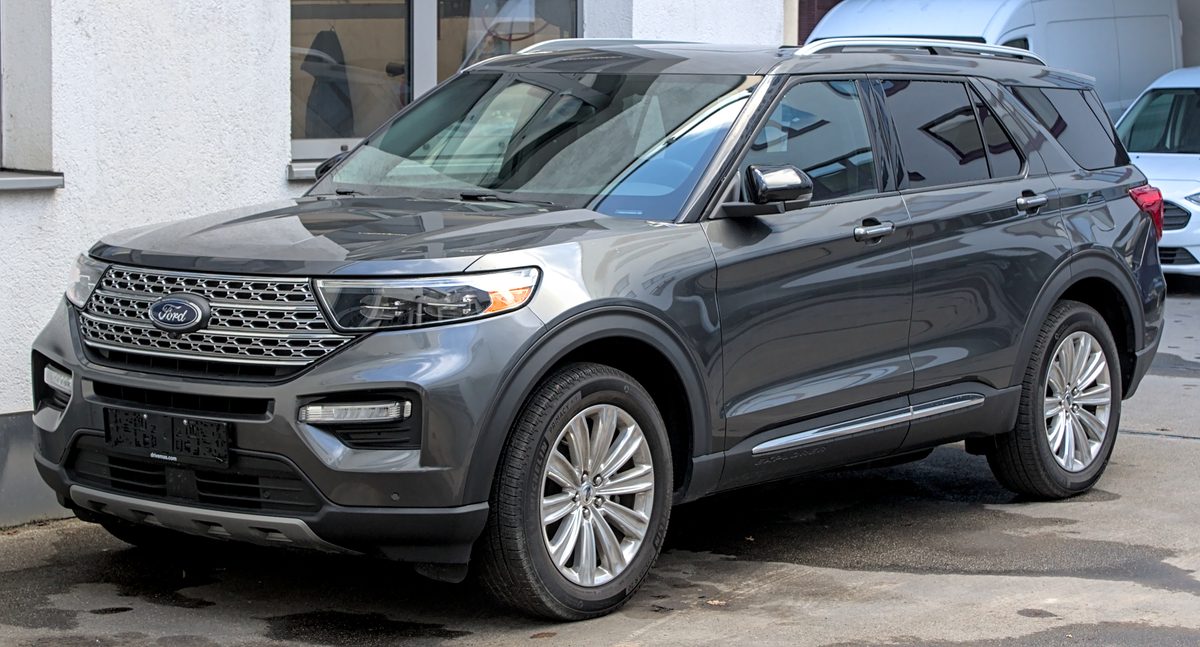
Ford is recalling 79,579 Explorer and Lincoln Aviator SUVs over a driver's seat that can recline on its own — with nobody sitting in it. NHTSA campaign number 26V470 covers 64,409 units of the 2026-2027 Ford Explorer and 15,170 units of the 2026-2027 Lincoln Aviator, all built in a roughly seven-month production window between November 25, 2025 and June 27, 2026.
The defect: a faulty seat-recline motor can force the driver's seat to lay back unintentionally in certain scenarios, including during a remote start or a remote unlock — situations where nobody is in the vehicle to notice or stop it. Ford says the real risk isn't to the driver's seat itself, but to whoever is sitting directly behind it: an unoccupied front seat reclining on its own could pin and trap a second-row passenger, particularly a concern for a three-row family SUV where young kids are exactly who tends to sit there.
Ford traces the cause to a supplier change for the seat-recline motor that took effect in November 2025. Explorer and Aviator units built during the affected window contain recline motors sourced from either Lear Corporation or the Shenghuabo Group, and the automaker has linked the defect specifically to that changeover rather than to a single bad batch from one supplier.
As of the recall filing, Ford says it isn't aware of any injuries tied to the issue. The automaker is still finalizing the exact fix, but the leading candidate is a software reflash to recalibrate the seat's memory-position logic — with a physical replacement of the front seat backframe assembly reserved for vehicles where that alone doesn't resolve it. Owners of affected Explorers and Aviators should expect a notification letter from Ford with instructions once the remedy is finalized; in the meantime, NHTSA's recall lookup tool at nhtsa.gov/recalls can confirm whether a specific VIN is included using campaign number 26V470.
Related cars
Related articles
- Why the Ford Explorer Police Interceptor Utility Dominates American Police Fleets
- Towing Capacity, Payload and GVWR Explained (2026): Why the Trailer Rating in the Ad Is Rarely the Limit That Stops You
- Jeep Grand Cherokee L vs Ford Explorer: Which Is Better? The Explorer Starts $4,500 Cheaper and Tops Out at 400 Horsepower, the Jeep Counters With Composure
- 2026 Ford Explorer vs Toyota Highlander: Which Is Better? The Explorer Has the Safer Crash Results, the Highlander a 35-mpg Hybrid
Sources
- Ford Explorer and Lincoln Aviator Recalled for Self-Reclining Driver Seats — autoevolution
- Ford Recalls Nearly 80K Explorer and Lincoln Aviator SUVs — TFLcar
- 2026-2027 Explorer Aviator Recall: Seat May Recline Unexpectedly — Pickup Truck Talk
- Ford Explorer, Lincoln Aviator Recalled Over Unexpected Seat Recline Issue — Ford Authority
- NHTSA Recalls Lookup