Does Cold Weather Really Kill EV Range? A 2026 AAA Test Found a 39% Drop at 20°F — Here's What Actually Causes It
The honest number from AAA's own 2026 testing: close to 40% of your range at 20°F, almost entirely because of the cabin heater, not the battery chemistry itself.
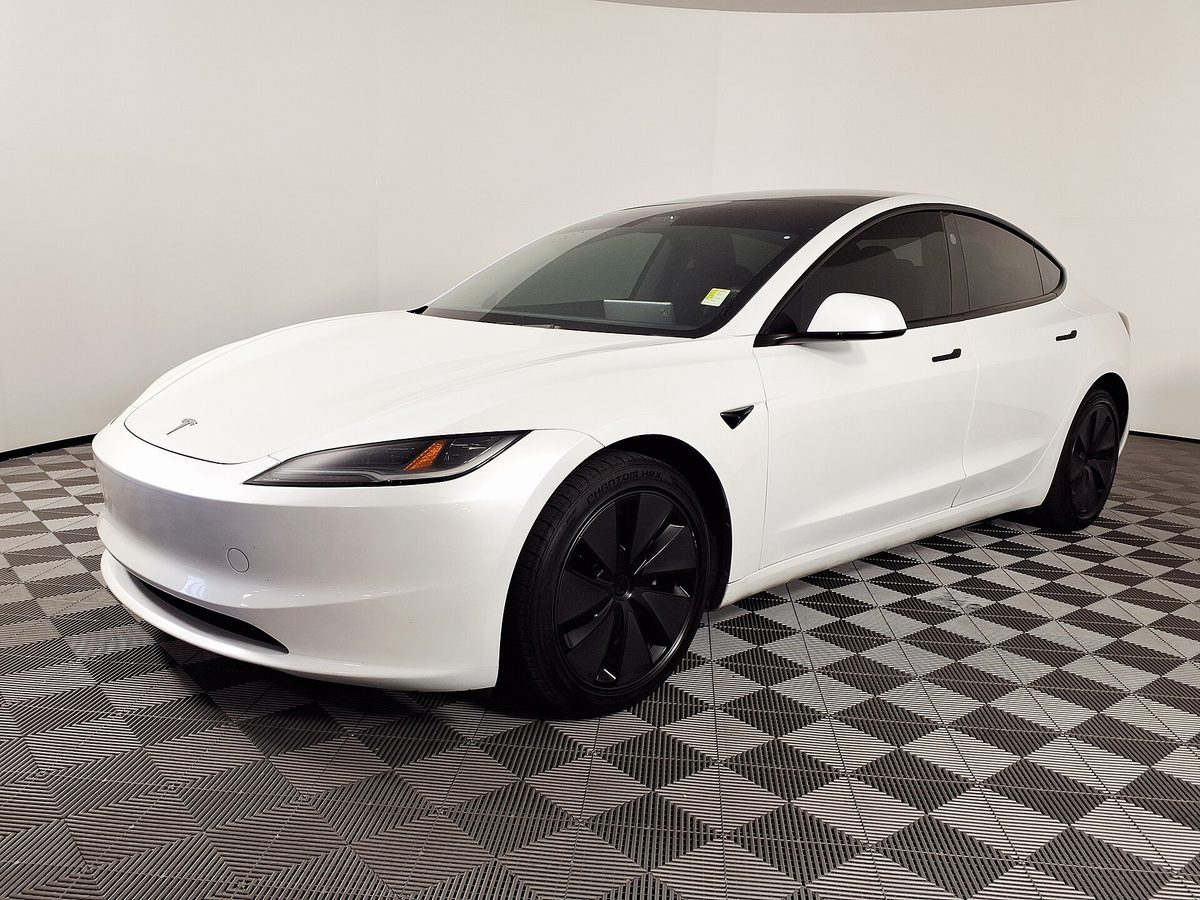
Cold weather genuinely cuts into EV range, and AAA's own 2026 testing puts a real number on it: an average 39% drop in driving range at 20°F with the heater running, a 35.6% hit to overall efficiency. That's a real, measured result from climate-controlled dynamometer testing, not an estimate — and it's a bigger number than most new EV owners expect walking in.
It's the heater, not the battery, doing most of the damage
The instinct is to blame the battery itself — cold chemistry, reduced capacity — but AAA's testing points mainly at the cabin heater. An EV has no waste engine heat to borrow the way a gas car does, so warming the cabin has to come directly out of the same battery that's powering the wheels, and that draw is large enough to account for most of the range loss attributed to cold weather. This matters for how you actually drive in winter: the car being cold isn't really the problem on its own, running the heater to stay warm is.
Hybrids lose less, for a specific reason
AAA's same cold-weather test found hybrids lost 22.8% of their range at 20°F, well under the EV figure. A hybrid has a gas engine generating real waste heat it can route to the cabin, the way a conventional car always has, so warming up the interior doesn't come directly out of the battery and fuel efficiency the way it does in a pure EV. This is one of the more concrete, measurable reasons a hybrid genuinely behaves differently than an EV in cold-weather ownership, beyond the usual range-anxiety talking points.
Pre-conditioning while plugged in is the real fix
The most effective way to reduce this specific loss is one most EV owners already have access to and don't use consistently: heating the cabin while the car is still plugged in and charging, rather than after you unplug and start driving. Pre-conditioning pulls that warm-up energy from the wall instead of the battery, so by the time you actually pull away, the cabin is already warm and the battery hasn't paid for it out of your driving range. Most EVs with a companion app or a scheduled-departure feature can do this automatically on a timer, which matters more in practice than remembering to do it manually every cold morning.
What this costs, not just what it costs in miles
Range loss has a direct dollar cost too, since a less efficient mile driven on public charging infrastructure is a more expensive mile. The honest planning number for a winter commute isn't your EV's EPA-rated range; it's something closer to 60-65% of it on a genuinely cold day with the heater running the way most people actually run it, before you account for pre-conditioning clawing some of that back.
What this means for cross-shopping an EV right now
This isn't a reason to avoid an EV if you live somewhere cold — it's a reason to shop range with a real buffer built in rather than taking the EPA number at face value, and to specifically check whether a given model supports scheduled pre-conditioning before you buy, since that one feature does more to close this gap in daily use than any other single factor AAA's testing identified. A model with 300 miles of rated range and no real cold-weather buffer habit can behave, on the coldest days, closer to a car with 180-200 miles of range — worth knowing before a winter road trip, not after.
Related cars
Related articles
- How Long Does an EV Battery Really Last? Real Data From 250 Million Miles Says Longer Than the Warranty Implies
- How Long Does a Timing Belt Really Last in 2026? Most New Cars Don't Even Have One Anymore, but a 2026 Honda Pilot Still Needs Its Changed at 105,000 Miles
- Tesla Model 3 vs Model Y: Which Should You Buy in 2026? What the $3,000 Difference Gets You in Space, Range and Safety
- Tesla Model 3 vs Hyundai Ioniq 6: Which EV Is Better? A Real Review Says the Ioniq 6 "Overshadows" the Model 3