Tesla Model 3 vs Hyundai Ioniq 6: Which EV Is Better? A Real Review Says the Ioniq 6 "Overshadows" the Model 3
It's not just a range and price comparison — one real, independent road test picked the Ioniq 6 outright, and Hyundai is discontinuing the standard version after 2025, which changes what buying one actually means right now.
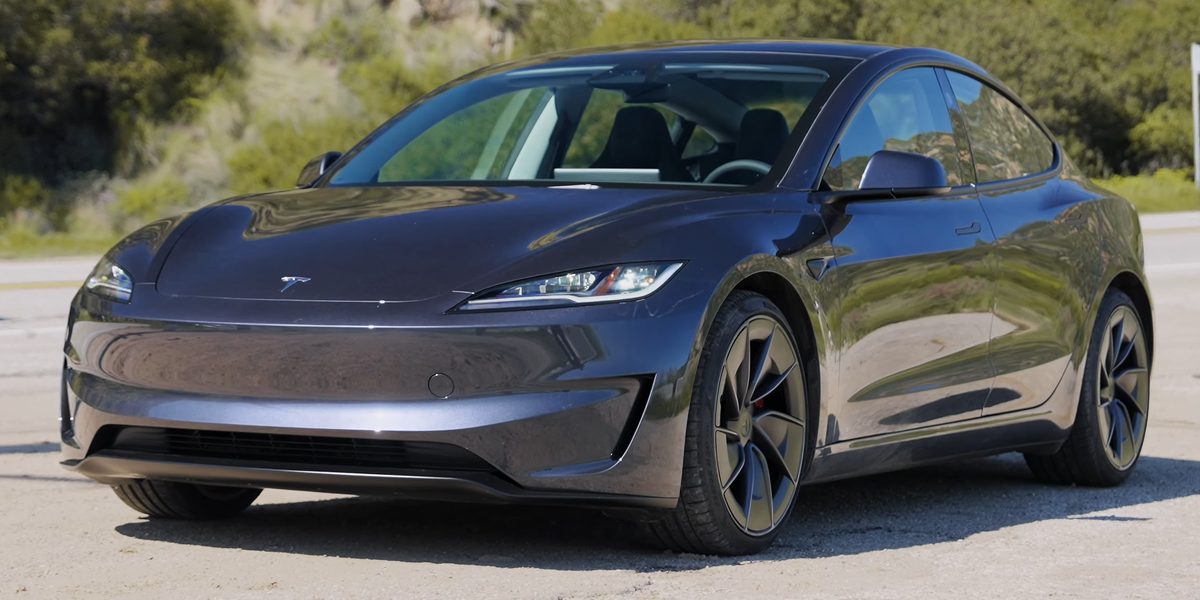
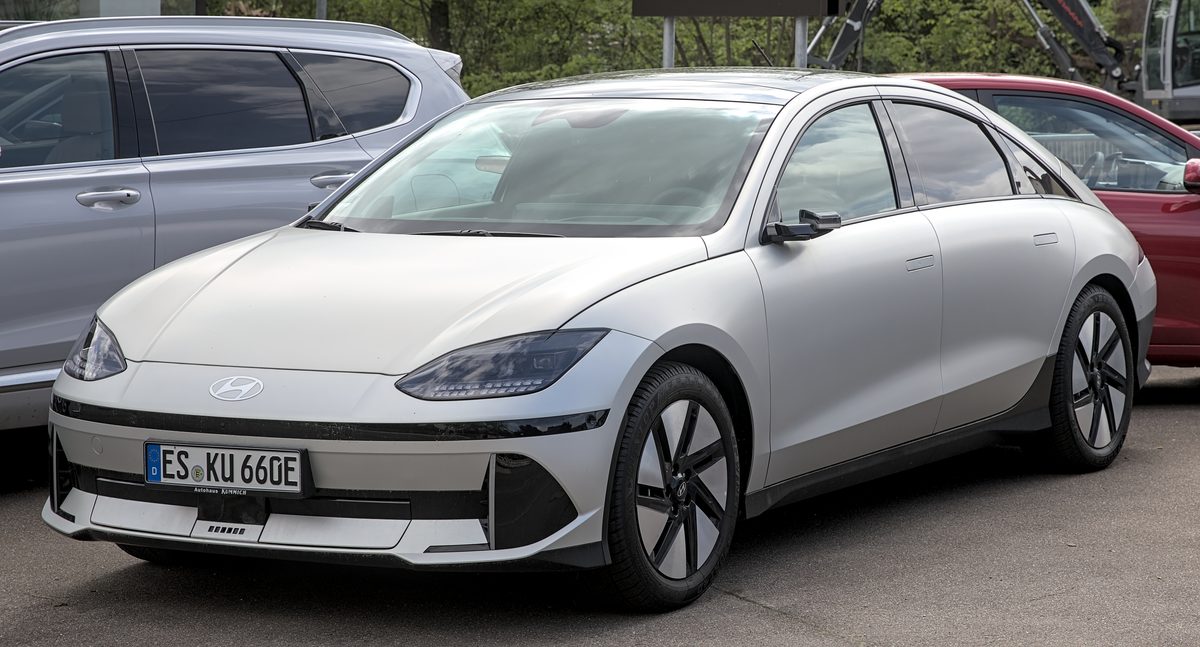
Before the spec comparison: this matchup has a real expiration date. Hyundai has confirmed the mainstream Ioniq 6 lineup is being dropped after the 2025 model year, leaving only the high-performance Ioniq 6 N going forward. That makes this a comparison worth having for anyone shopping the remaining 2025 inventory or the used market, but not an ongoing, evergreen matchup the way Model 3 vs. a still-current sedan would be.
A real independent test didn't just compare these two — it picked one. Green Car Reports' own 2024 test drive of the Ioniq 6 AWD (320 hp combined, 270-mile EPA range, $43,600 base with destination) concluded the car "overshadows" the Model 3, citing real range, functionality, and styling advantages. The review is direct about what it thinks the Model 3 still has going for it — Tesla's Supercharger network and its app experience — but calls those "fleeting" advantages, a real editorial judgment worth knowing before assuming this is a closer contest than it is.
Price and range, with real numbers. The Tesla starts cheaper: $38,380 MSRP against the Ioniq 6's base SE Standard Range at $37,850 — actually a close split, with Hyundai's true entry point slightly undercutting Tesla's. Hyundai's lineup climbs fast from there: SE at $42,800, SEL at $45,600, Limited at $51,100. Range favors Tesla at the base level — 321 EPA miles against the base Ioniq 6's 240 — but the Ioniq 6 SE Long Range RWD closes nearly all of that gap at 361 miles, actually edging past the standard Model 3. Power at the base trim clearly favors Tesla: 425 horsepower against the Ioniq 6's 149 — though Hyundai's higher trims pair a stronger motor with that same longer-range battery.
Real efficiency, not just the EPA sticker. The Ioniq 6 posts 2.8 miles per kWh at highway speeds near 81 mph, and a real 3.6-4.0 mi/kWh in typical highway driving — climbing to as much as 5 mi/kWh in stop-and-go city conditions. Its official EPA rating on the efficient trims runs 3.03 mi/kWh. The most efficient real configuration is the SE Long Range RWD on 18-inch wheels — worth knowing if range-per-dollar is the actual priority over raw horsepower.
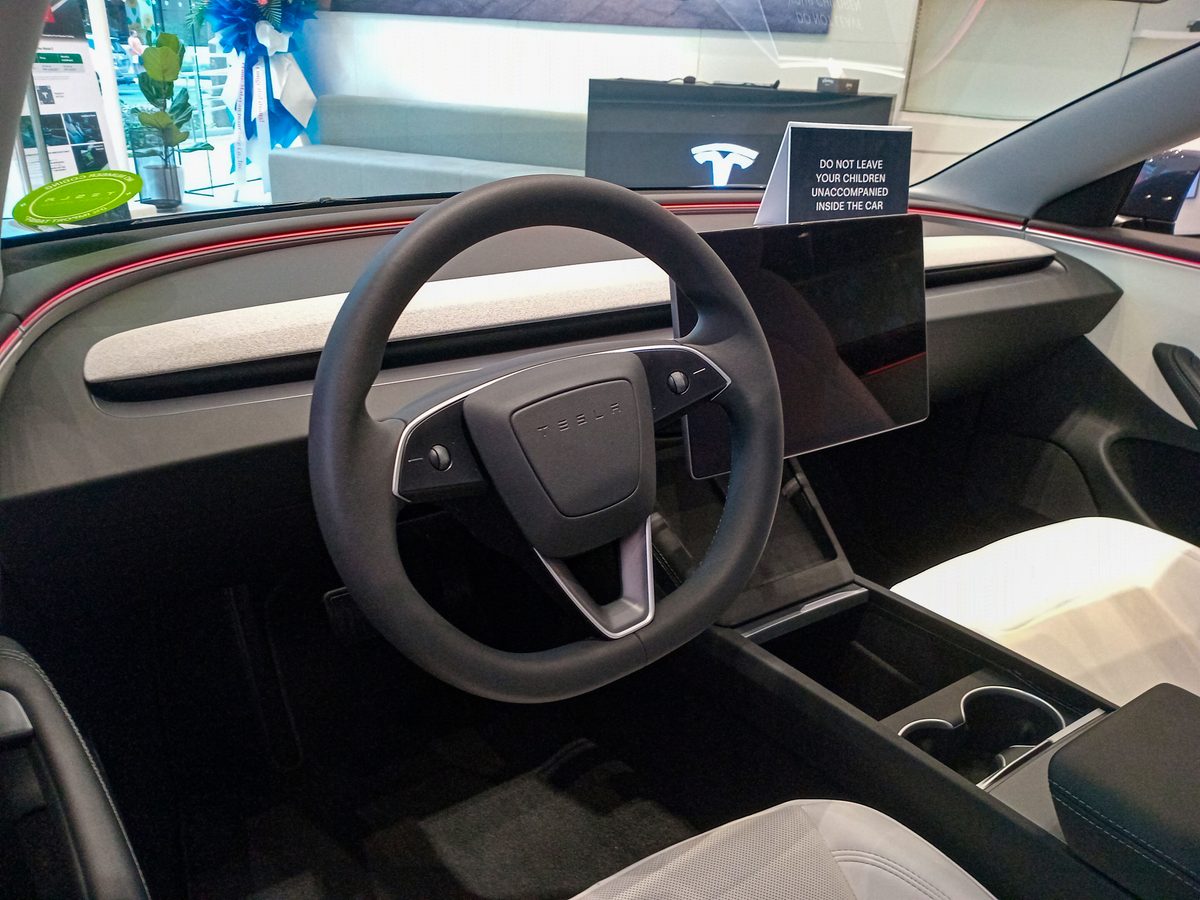
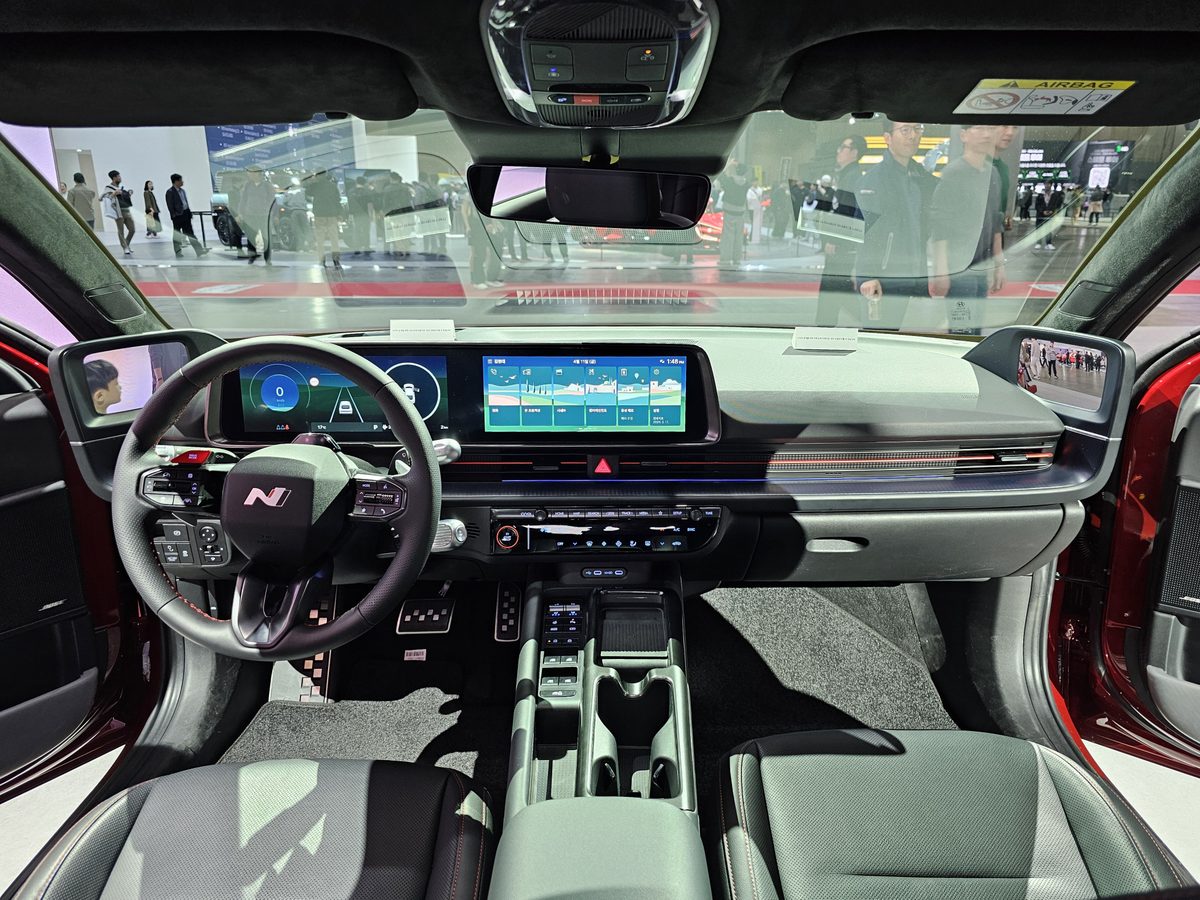
Interior — a real, documented trade-off from the same aero-obsessed design language. Both cars are shaped around slipperiness: Tesla's Model 3 has a 0.23 drag coefficient, the Ioniq 6 a slightly better 0.21. That shared obsession costs both of them rear headroom for taller passengers — the Ioniq 6's sloped roofline pinches it noticeably, an honest, documented trade-off of its aero shape, partially offset in the Model 3 by its all-glass roof. Where the Ioniq 6 wins clearly is rear legroom, which real comparisons describe as "easily" surpassing the Model 3's.
Charging — genuinely more competitive than it used to be. Hyundai began shipping free NACS adapters to eligible Ioniq 6 owners (those who purchased on or before January 31, 2025), giving real access to more than 20,000 US Tesla Superchargers via CCS-plus-adapter; 2025-and-later models get NACS built in with no adapter needed at all — Tesla's charging-network advantage, real as it still is, is meaningfully smaller than it was even a year earlier. On its own 800-volt E-GMP platform, Hyundai claims a 10-80% DC fast charge in about 18 minutes; independent testing has shown the Ioniq 6 beating that claim in practice, pulling a real 240 kW peak and averaging over 200 kW across the 10-80% window — around 100 miles of range added in under 7 minutes under ideal conditions.
Warranty, a clear and real Hyundai advantage. The Model 3 carries Tesla's standard 4-year/50,000-mile basic warranty with an 8-year/100,000-mile battery and drive-unit warranty. The Ioniq 6 comes with 5 years/60,000 miles basic and a full 10 years/100,000 miles on the battery and EV components — genuinely longer coverage on both counts, a real factor for anyone planning to keep the car past the Tesla's own coverage window.
Given the discontinuation, the practical takeaway is narrower than a normal comparison: if you're looking at a new Ioniq 6 specifically, you're choosing from remaining 2025-model-year stock, not an ongoing nameplate. But on the actual substance — a real independent test that picked it outright, genuinely competitive real-world range and charging, longer warranty coverage, and more usable rear legroom — the Ioniq 6 isn't just a range-and-price footnote next to the Model 3. It's the car at least one real reviewer thinks you should actually buy.
Related cars
Related articles
- Tesla Model 3 vs Model Y: Which Should You Buy in 2026? What the $3,000 Difference Gets You in Space, Range and Safety
- Does Cold Weather Really Kill EV Range? A 2026 AAA Test Found a 39% Drop at 20°F — Here's What Actually Causes It
- How Long Does an EV Battery Really Last? Real Data From 250 Million Miles Says Longer Than the Warranty Implies
- 2026 Tesla Model Y vs Mustang Mach-E: Which EV to Buy? More Range and Faster Charging Against a Calmer Ride and a Lower Price