2026 Subaru Forester vs Toyota RAV4: Which Is Better? Subaru Wins on Safety Ratings and AWD, Toyota on Mileage and Warranty
Subaru keeps a gas model and standard all-wheel drive; Toyota's all-new RAV4 is hybrid-only. One has a current IIHS award, the other is quicker and uses much less fuel.
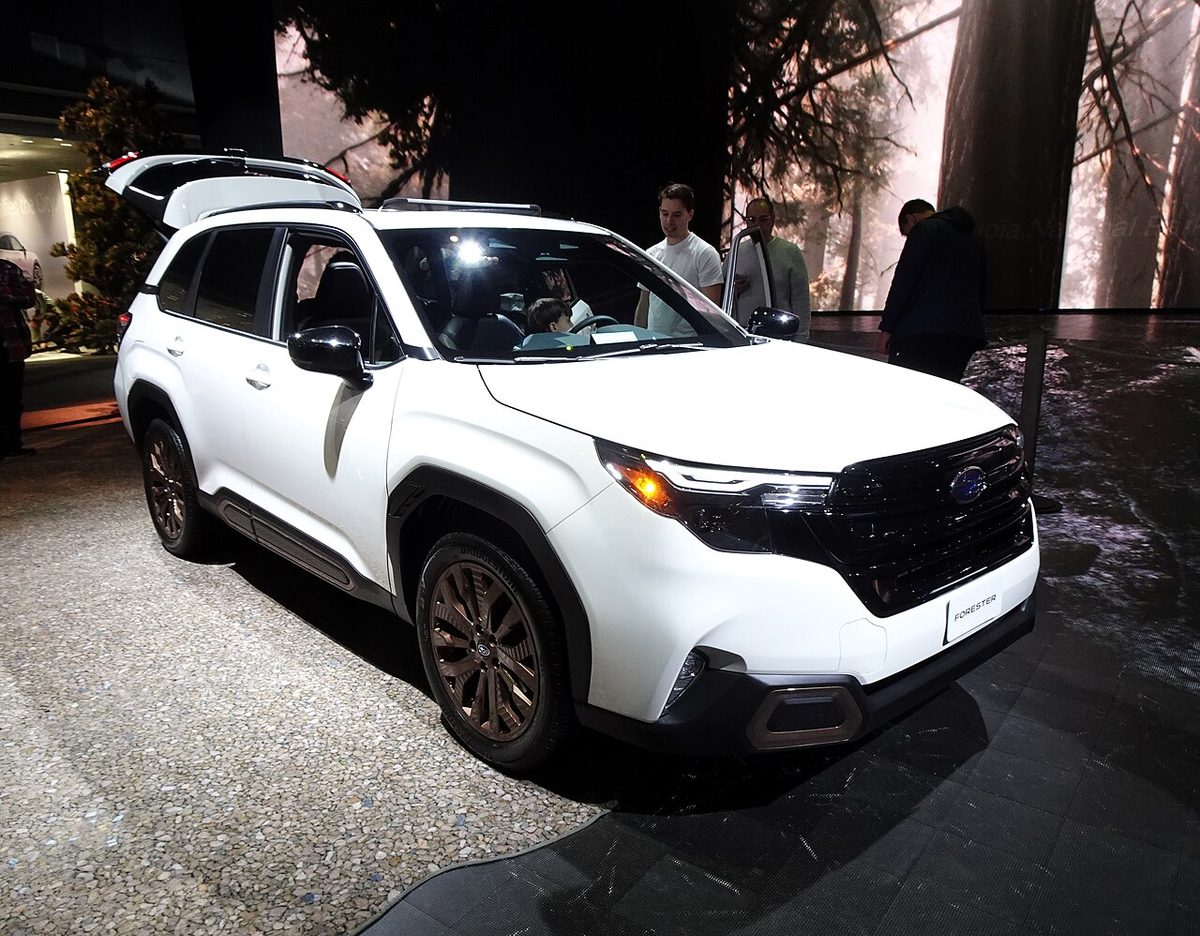
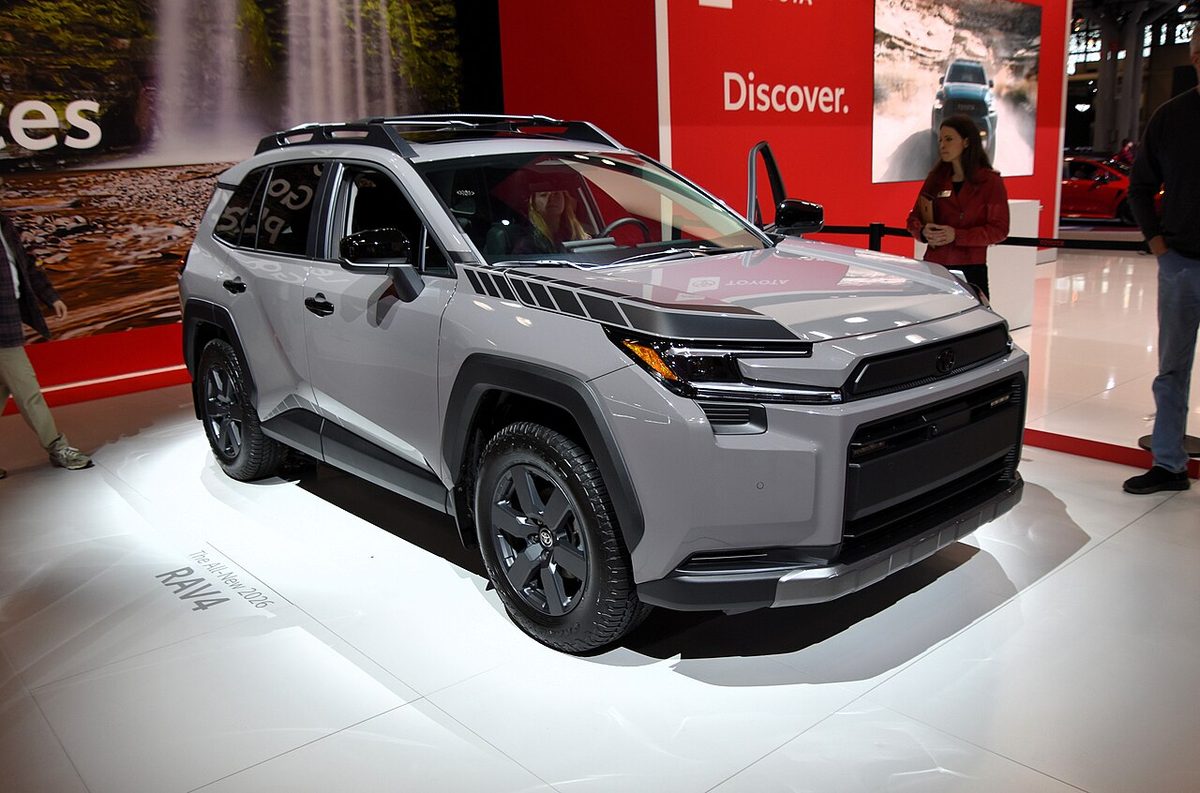
The Subaru Forester and the Toyota RAV4 used to be easy to line up: two five-seat compact SUVs with four-cylinder engines, all-wheel drive standard on the Subaru and optional on the Toyota. That symmetry is gone. For 2026 Toyota redesigned the RAV4 from the ground up and dropped every gasoline-only version, so every RAV4 on sale is now a hybrid or a plug-in hybrid. Subaru, whose current Forester generation arrived for 2025, still sells a plain gas model next to a hybrid. In Car and Driver's ranking of compact SUVs the RAV4 sits fifth with 8.5 out of 10 and the gas Forester thirteenth with 7.5, but the Forester Hybrid also scores 8.5, so the real question is which hybrid you prefer.
Start with what each car costs. Car and Driver lists the 2026 Forester from $31,445 for the base model up to $41,445 for the Touring, and every Forester has all-wheel drive. The Forester Hybrid starts at $36,180 and tops out at $42,995. The RAV4 starts at $33,495 for the LE hybrid and reaches $50,095 for the GR Sport plug-in; the standard hybrid trims run from the LE to the Limited at $44,895, with the SE at $36,295, the XLE Premium at $37,695, the Woodland at $41,495 and the XSE at $42,895. So the cheapest hybrid RAV4 costs $2,685 less than the cheapest Forester Hybrid, although the RAV4 at that price is front-wheel drive. We could not confirm what Toyota charges to add all-wheel drive to the LE, so that gap may be smaller than it looks.
The gas Forester is the cheapest way into this comparison, and it comes with a clear trade-off. Its 2.5-liter flat-four makes 180 horsepower and 178 pound-feet through a continuously variable transmission, and the EPA rates it at 29 mpg combined on the base trims, 28 on the Sport and Touring, and 26 on the Wilderness. Car and Driver calls the engine sleepy and says the transmission softens performance. It timed a Forester Sport at 8.3 seconds to 60 mph and a Wilderness at 8.4. Those are the magazine's own complaints, and they are the main reason the gas model scores only 7.5. If you never drive far or fast, that may not bother you; if you merge onto highways with a full car, it might.
The hybrids are where the two cars meet properly. The Forester Hybrid pairs the same 2.5-liter engine with one electric motor for 194 horsepower, 14 more than the gas car, and the EPA rates it at 35 mpg combined, with 35 city and 34 highway. Car and Driver clocked a 2025 Forester Hybrid Touring at 8.6 seconds to 60 mph. The RAV4 Hybrid has a 2.5-liter four and two electric motors for 226 horsepower with front-wheel drive; adding all-wheel drive brings a third motor and 236 horsepower. The magazine measured 7.1 seconds to 60 mph in a Limited AWD, which is 1.5 seconds quicker than the Forester Hybrid it tested. Note that the Forester time comes from the 2025 model year, which the magazine says remained unchanged.
Fuel economy follows the same pattern, and it is the RAV4's strongest argument. Using fueleconomy.gov, the front-wheel-drive RAV4 hybrid is rated at 43 mpg combined, the all-wheel-drive LE and SE at 42, the XLE and the Limited and XSE at 41, and the Woodland at 38. Every one of those beats the Forester Hybrid's 35. Over 15,000 miles, a 42-mpg RAV4 burns about 357 gallons against about 429 for the Forester Hybrid, so the Toyota saves roughly 70 gallons a year, or about $250 at an assumed $3.50 a gallon. Against the gas Forester at 29 mpg the saving is closer to 160 gallons. On Car and Driver's 75-mph highway loop the Limited AWD RAV4 returned 36 mpg and a Forester Sport 31, while the Wilderness managed 27.
All-wheel drive is the Forester's best argument, and it is a simple one. Subaru fits it to every trim, gas or hybrid, along with 8.7 inches of ground clearance on regular models and 9.3 on the Wilderness, which Car and Driver says returns for 2026 with larger all-terrain tires and revised transmission tuning. The RAV4's all-wheel-drive system on the hybrid adds a rear motor and is optional. Towing differs too. The Forester tows 1,500 pounds on every trim except the Wilderness, which is rated at 3,500 pounds, and the hybrid's 1,500-pound figure applies with an accessory hitch. The RAV4 tows 1,750 pounds in front-wheel-drive form and in the AWD LE, and up to 3,500 pounds on the other models.
Space is closer than the spec sheets suggest, and the two sources we read do not quite agree. Car and Driver says the Forester holds up to 30 cubic feet behind the rear seats and 75 with them folded, and its own spec table lists 28 behind the rear seat. For the RAV4 Limited AWD that table lists 38 cubic feet behind the rear seat and 70 behind the front seats. On paper that favors Toyota with the seats up. In the magazine's luggage test, though, the Forester took 12 carry-on suitcases behind the rear seat and 28 with it folded, while the RAV4 took 10 and 24. The Subaru's tall, boxy cargo area appears to use its volume better, and the hybrid Forester gives up none of it.
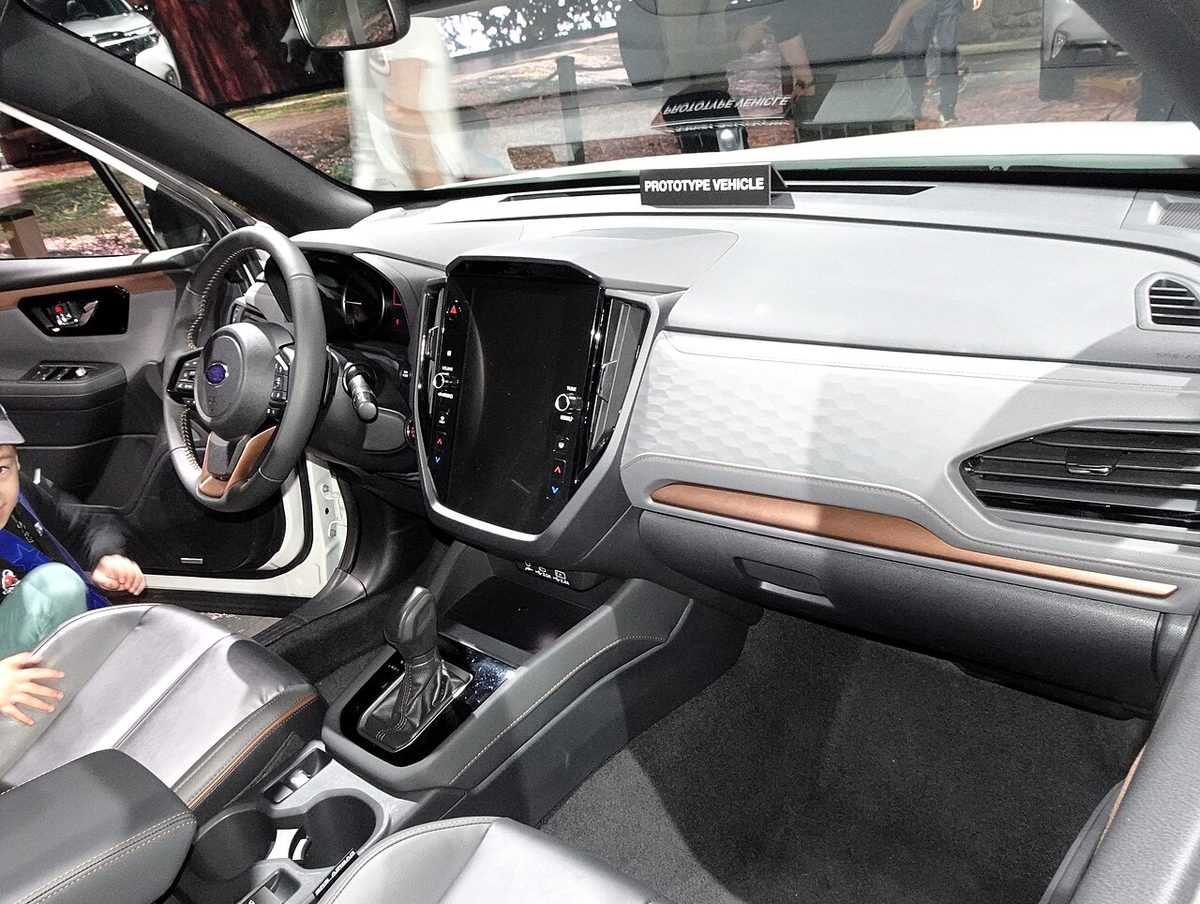
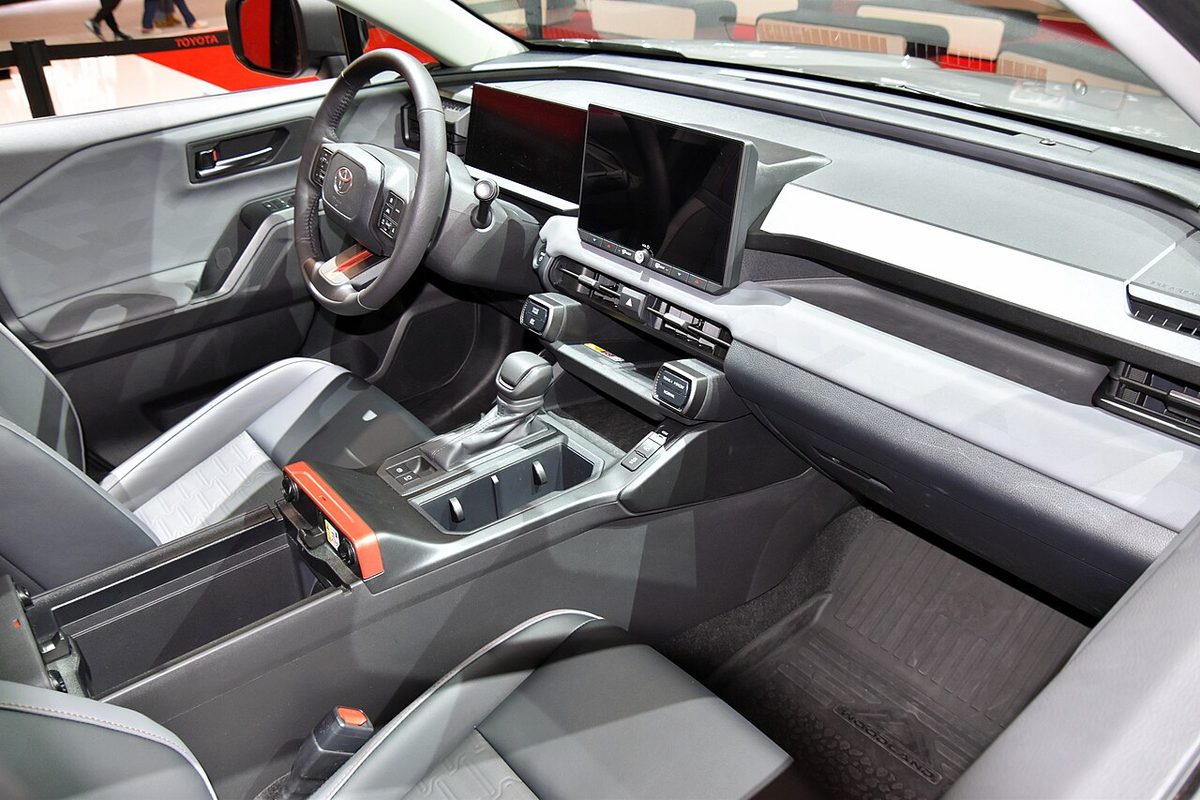
Inside, the Forester feels more like an outdoor tool and the RAV4 like a cleaner piece of tech. Car and Driver praises the Forester's roomy cabin, upright seating position and good outward visibility, and says the hybrid is quieter than the gas model, though the dash looks pieced together from parts bins. A vertical 11.6-inch touchscreen is standard on all but the base Forester, which gets two 7.0-inch displays, and wireless Apple CarPlay and Android Auto are supported. The RAV4 has a 10.5-inch screen as standard with an optional 12.9-inch unit, a standard 12.3-inch digital gauge cluster and wireless CarPlay and Android Auto. The magazine finds the RAV4's interior materials cheap and its standard hybrid engine noisy, which are fair complaints at these prices.
On the road, neither is a driver's car, and Car and Driver says so about both. It describes the Forester as comfortable but short on steering feedback, with a rear end that wiggles briefly in a corner, and the Forester Hybrid as having imprecise steering. It says the RAV4 does not handle as well as some rivals. The numbers are mixed. The Forester stopped from 70 mph in 172 feet in both the Sport and Wilderness tests, while the RAV4 Limited AWD needed 179 feet. In the cabin both measured 69 decibels at 70 mph, though the Forester figure comes from the Wilderness and the RAV4 from a Limited, so treat the match as a coincidence rather than a ranking.
Safety is where the 2026 Forester is easy to recommend and the RAV4 is hard to judge. The Insurance Institute for Highway Safety gives the 2026 Forester its Top Safety Pick+ award. It rates the Forester Good in the small overlap, updated moderate overlap and updated side tests, Good for whiplash protection, Good for both vehicle-to-vehicle and pedestrian crash prevention with the standard EyeSight system, and Good for headlights on all trims. Child-seat anchors also get Good with a plus for extra positions. One condition applies: the small overlap and side results are listed for 2025 and 2026 models but not for the 2025 Wilderness.
The new RAV4 does not have a published IIHS rating that we could find. The institute's page for the 2026 model returns an error, and its RAV4 listing opens on the 2025 model instead. That older, previous-generation car earned Good in the small overlap test but Marginal in the updated moderate overlap test and Acceptable in the updated side test, held no award, and got only Acceptable for vehicle-to-vehicle crash prevention. Those ratings describe the previous generation and say nothing certain about the new one, so we are not counting them against Toyota. Until IIHS rates the 2026 RAV4, the Forester is the only one of the two with current results, and we could not check NHTSA ratings for either.
Ownership costs are close but not identical. Both cars carry a three-year, 36,000-mile basic warranty and a five-year, 60,000-mile powertrain warranty. Toyota covers hybrid components for 10 years or 150,000 miles and includes two years or 25,000 miles of free scheduled maintenance. Subaru covers the Forester Hybrid's battery components for eight years or 100,000 miles and includes no free maintenance. Car and Driver points to the Toyota's coverage as better value than the Subaru's. Subaru's own reliability and resale record is outside what we could verify from these sources, and we have not repeated any such figures here.
So which one to buy? If you want the most efficient and quickest car, if you want the longer hybrid warranty and free maintenance, or if you want a larger screen and the lowest hybrid entry price, the RAV4 is the stronger package, and the 41 to 43 mpg ratings are a real daily saving. Choose the Forester if standard all-wheel drive, ground clearance, a tall cargo hold that swallowed more suitcases in testing, and a published Top Safety Pick+ matter more to you, and buy the gas version only if its lower price and 29 mpg rating suit how little you drive. Whichever you pick, check the build date and trim on the exact car, because the ratings and towing figures change by version.
| 2026 Subaru Forester | 2026 Toyota RAV4 | |
|---|---|---|
| Starting price | $31,445 (gas); Hybrid from $36,180 | $33,495 (LE hybrid) |
| Powertrains | Gas or hybrid | Hybrid or plug-in hybrid only |
| Gas engine | 2.5L flat-four, 180 hp, CVT | None |
| Hybrid output | 194 hp (2.5L flat-four + motor) | 226 hp FWD; 236 hp AWD |
| Drive | AWD standard | FWD standard on hybrid; AWD optional |
| 0-60 mph (Car and Driver) | 8.3 s gas (Sport); 8.6 s hybrid (2025 test) | 7.1 s (Limited AWD hybrid) |
| EPA combined mpg | 26-29 gas; 35 hybrid | 43 FWD; 41-42 AWD; 38 Woodland |
| Carry-on suitcases, seats up / folded | 12 / 28 | 10 / 24 |
| Towing | 1,500 lb; 3,500 lb Wilderness | 1,750 lb; up to 3,500 lb on other models |
| Infotainment screen | 11.6 in (base: dual 7.0 in) | 10.5 in; 12.9 in optional |
| Free scheduled maintenance | None | 2 yr / 25,000 mi |
| Hybrid component warranty | Battery components 8 yr / 100,000 mi | 10 yr / 150,000 mi |
| IIHS moderate overlap front, updated | Good (2026) | No 2026 rating found; 2025 (previous generation): Marginal |
| IIHS front crash prevention, vehicle / pedestrian | Good / Good | No 2026 rating found; 2025: Acceptable / Good |
| IIHS award | Top Safety Pick+ (2026) | None found for 2026 |
| Car and Driver rating | 7.5/10 gas (#13); 8.5/10 hybrid | 8.5/10 (#5 compact SUV) |
Related cars
Related articles
- 2026 Mazda CX-5 vs Toyota RAV4: Which Is Better? The Redesigned RAV4 Trades a Proven Safety Record for Hybrid Efficiency
- 2026 Toyota RAV4 vs Honda CR-V Hybrid: Which Is Better? The RAV4 Wins on Price, Fuel and Warranty, the CR-V on Ride and Rear-Seat Room
- 2026 Honda CR-V vs Mazda CX-5: Which Is Better? The CR-V Carries More and Burns Less, the CX-5 Holds the Top Crash-Test Award
- 2026 Hyundai Tucson vs Honda CR-V: Which Is Better? The Tucson Wins on Crash Tests and Warranty, the CR-V on Space and Mileage
Sources
- Car and Driver: 2026 Subaru Forester review, pricing and test results
- Car and Driver: 2026 Subaru Forester Hybrid review, pricing and test results
- Car and Driver: 2026 Toyota RAV4 review, pricing and test results
- IIHS: 2026 Subaru Forester 4-door SUV ratings
- IIHS: Toyota RAV4 4-door SUV ratings (latest listed model year 2025)
- FuelEconomy.gov: 2026 Subaru Forester
- FuelEconomy.gov: 2026 Toyota RAV4