BMW Widens Its US Luxury Sales Lead Over Lexus in Q3 — Even as Its Own EV Sales Fell Almost 25%
BMW's own Q3 report shows the brand pulling further ahead of Lexus and Mercedes in the US, driven by gas and plug-in hybrid models even as pure-EV sales fell during a changeover year.
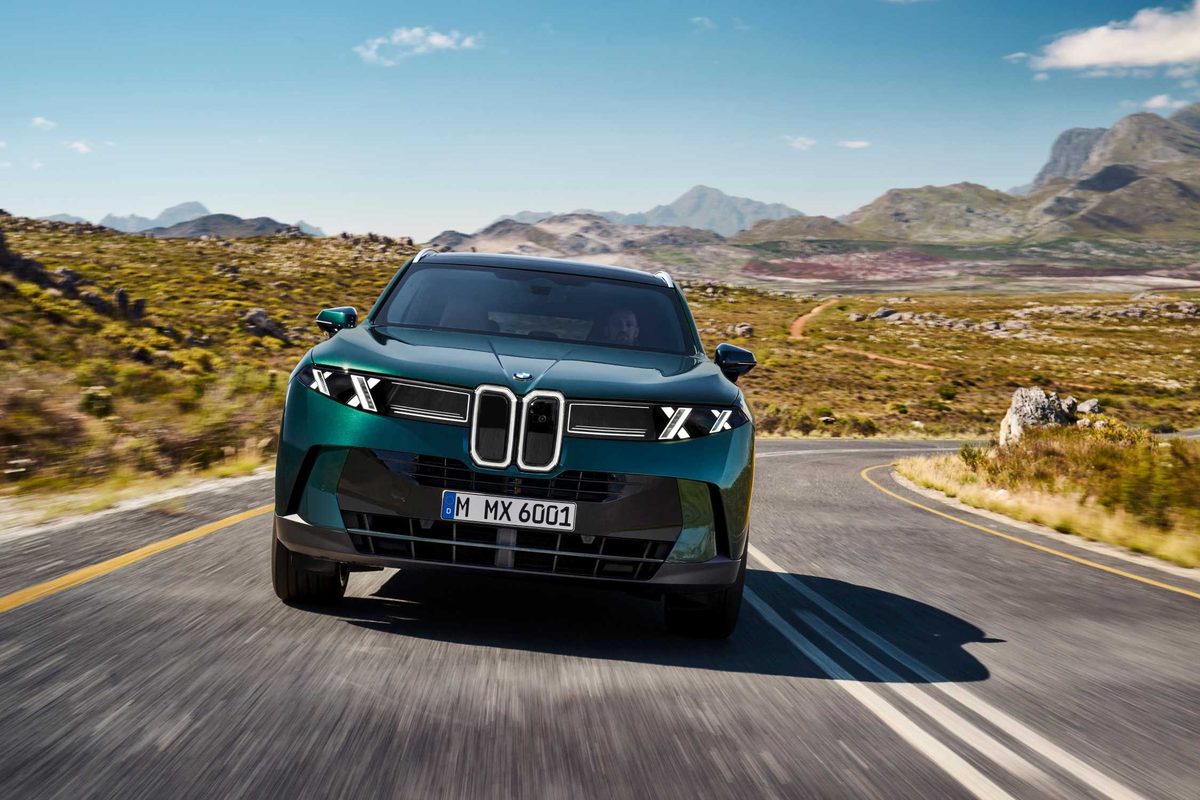
BMW reported US sales of 100,210 vehicles for the third quarter of 2026, a 3.4% increase over the 96,886 it sold in the same quarter a year earlier, according to the company's own October 1 sales release. That keeps BMW ahead of both of its closest premium rivals for the quarter: Lexus sold 93,056 vehicles in Q3, up 1.6% year over year, per Toyota's official sales report, while Mercedes-Benz USA reported 76,200 passenger cars sold, or 85,800 including vans, each up roughly 3-4%.
Year to date through September, BMW has delivered 287,154 vehicles in the US, up 4.3% from the same period in 2025. Lexus's year-to-date total trails at 262,768, down 3% for the year. The gap between the two brands has been widening through 2026 rather than narrowing, with BMW's growth rate running ahead of Lexus's decline in every quarter reported so far this year.
The more complicated part of BMW's own numbers is what's happening inside the electrified lineup. Plug-in hybrid sales rose 23.2% in the quarter and are up 11.7% year to date, a genuine bright spot. But overall electrified vehicle sales — plug-in hybrids and full battery-electrics combined — fell 24.9% in Q3, which BMW itself attributes to "current market conditions and a planned model changeover." That changeover lines up with the timing of the new 2027 iX5, BMW's electric X5 variant and its first EV built in the US, which only started taking shape in showrooms this month, right in the middle of the quarter being reported.
BMW's growth wasn't even across its own lineup, either: the 3 Series was up sharply in the quarter, according to BMW's own model-by-model breakdown, while the outgoing iX saw a steep decline as BMW works through the transition to newer electric models. MINI, the other brand BMW reports in the US, had a rougher quarter: 6,531 units sold, down 10.2%, with year-to-date MINI sales down 7.4% to 20,248.
The practical takeaway for shoppers is less about brand bragging rights than about what's driving the numbers: BMW's lead is coming disproportionately from gas and plug-in hybrid models holding up demand while the brand's battery-electric lineup goes through a genuine product transition, not from EVs pulling ahead. Anyone specifically shopping a BMW EV in the next few months is buying into that transition directly, for better or worse — the new iX5 is the replacement for exactly the models whose sales fell this quarter.
Related cars
Related articles
- GM's EV Sales Fall by Up to 93% in Q3 as Toyota's Hybrids Close the Gap to 38,000 Vehicles
- 2027 BMW iX5 Priced From $79,800, Built in South Carolina — the First Electric BMW Assembled in the US
- October 2026 Car Sales Forecast: $823 Record Payment — Hybrids Reach 18.6% While Shoppers Pay More Each Month for a Market That Is Barely Growing
- Fiat Topolino Now on Sale in the US From $14,985 — a Street-Legal EV the Size of a Golf Cart, With None of the Highway Ambition
Sources
- conceptcarz.com — BMW of North America Reports Q3 2026 U.S. Sales Results
- Lexus USA Newsroom — Toyota Motor North America Reports September, Third Quarter 2026 U.S. Sales Results
- Yahoo Finance — Mercedes' U.S. Sales Rose 4%, but BMW Still Came Out Ahead
- BMWBlog — BMW US Sales Q3 2026: Up 3.4% As EV Sales Fall, MINI Drops 10%