2027 Toyota Camry Costs $700 More, Still Starts Under $31,000 With Destination — Toyota Didn't Touch the Hybrid Powertrain or Features, Just the Price
Every trim gets the same flat increase, and the only thing that changed on the car itself between 2026 and 2027 is the number on the window sticker.
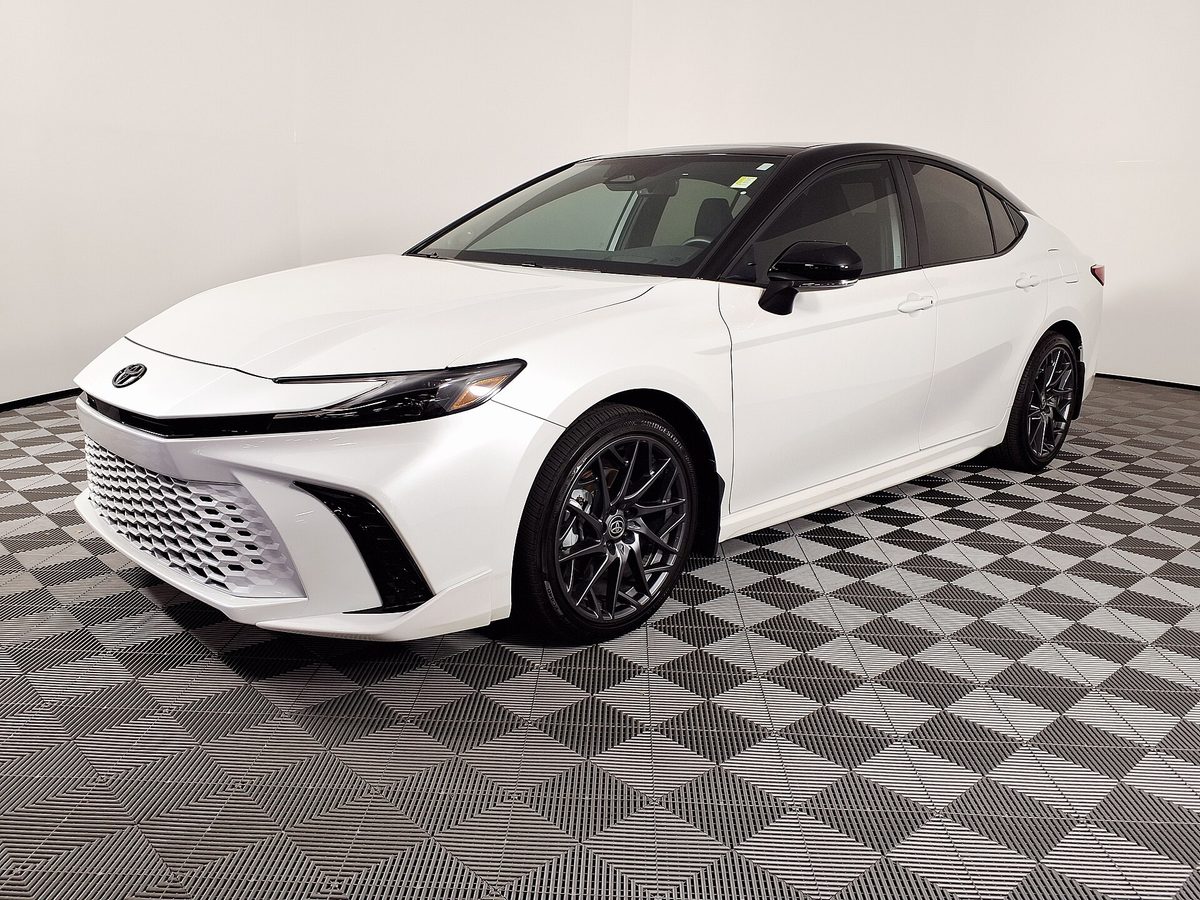
Toyota announced 2027 Camry pricing this week, and the only real news is the number itself. Every trim in the five-model lineup — LE, SE, Nightshade, XLE and XSE — gets a flat $600 MSRP increase, and the destination charge climbs $100 to $1,295, for a combined $700 increase at every trim level. LE now starts at $29,700 before destination, which puts the out-the-door starting price at roughly $30,995 — still under $31,000, but a real jump from where the nameplate sat a year ago.
Pricing across the rest of the lineup: SE at $32,200, Nightshade at $33,200, XLE at $34,900, and XSE at $36,100, all before the $1,295 destination charge. All-wheel drive remains available across the range for an additional $1,525 regardless of trim, unchanged from 2026.
Toyota didn't touch anything else. The Camry has been hybrid-only since the current generation launched, and the 2027 model carries over the same naturally aspirated 2.5-liter four-cylinder hybrid system: 225 horsepower in front-wheel-drive form, 232 horsepower with all-wheel drive, which adds a rear electric motor rather than a mechanical driveshaft. Fuel economy is also unchanged — up to 51 mpg combined on the base LE, 50 mpg combined with all-wheel drive, figures that remain among the best of any non-plug-in midsize sedan sold in the US.
No feature changes, no trim shuffling, no styling updates accompany the price increase — which is itself the story here. A manufacturer holding a car completely static while raising the price is a different move than a redesign or a feature add that might justify paying more, and it's worth knowing which one you're actually looking at on the window sticker.
For a buyer cross-shopping now, $700 isn't enough to change which Camry trim makes sense, but it does shift the Camry's position slightly relative to hybrid rivals that haven't moved their own pricing this cycle — worth a direct comparison before assuming the Camry is still the cheapest hybrid midsize option by the same margin it was last year.
Toyota hasn't given a specific reason for the increase beyond standard annual model-year pricing adjustments, and nothing in the announcement suggests further changes are coming before the next full redesign. For current Camry shoppers, the practical takeaway is simple: if the 2026 model is still available at a dealer at the old price, that's now a genuine $700 discount on an otherwise identical car.
Related cars
Related articles
- 2025 Honda Accord vs Toyota Camry: Which Is Better? One Only Comes as a Hybrid Now, and It Shows
- October 2026 Car Sales Forecast: $823 Record Payment — Hybrids Reach 18.6% While Shoppers Pay More Each Month for a Market That Is Barely Growing
- Used Car Loan Interest Hit $11,000 This Year — Nearly Double 2019, as Cox Automotive Says Wealthy Buyers Are Now Propping Up the Whole Market
- Toyota Recalls 508,000 Camrys Because the Instrument Cluster Can Go Blank at Startup