Hyundai Recalls the Ioniq 9 Because the Power Seats Might Not Stop Folding on Their Own
The second-row seat's own sensor is supposed to stop it from folding onto whatever — or whoever — is in the way. NHTSA says that hasn't always worked, and two minor injuries are already on record.
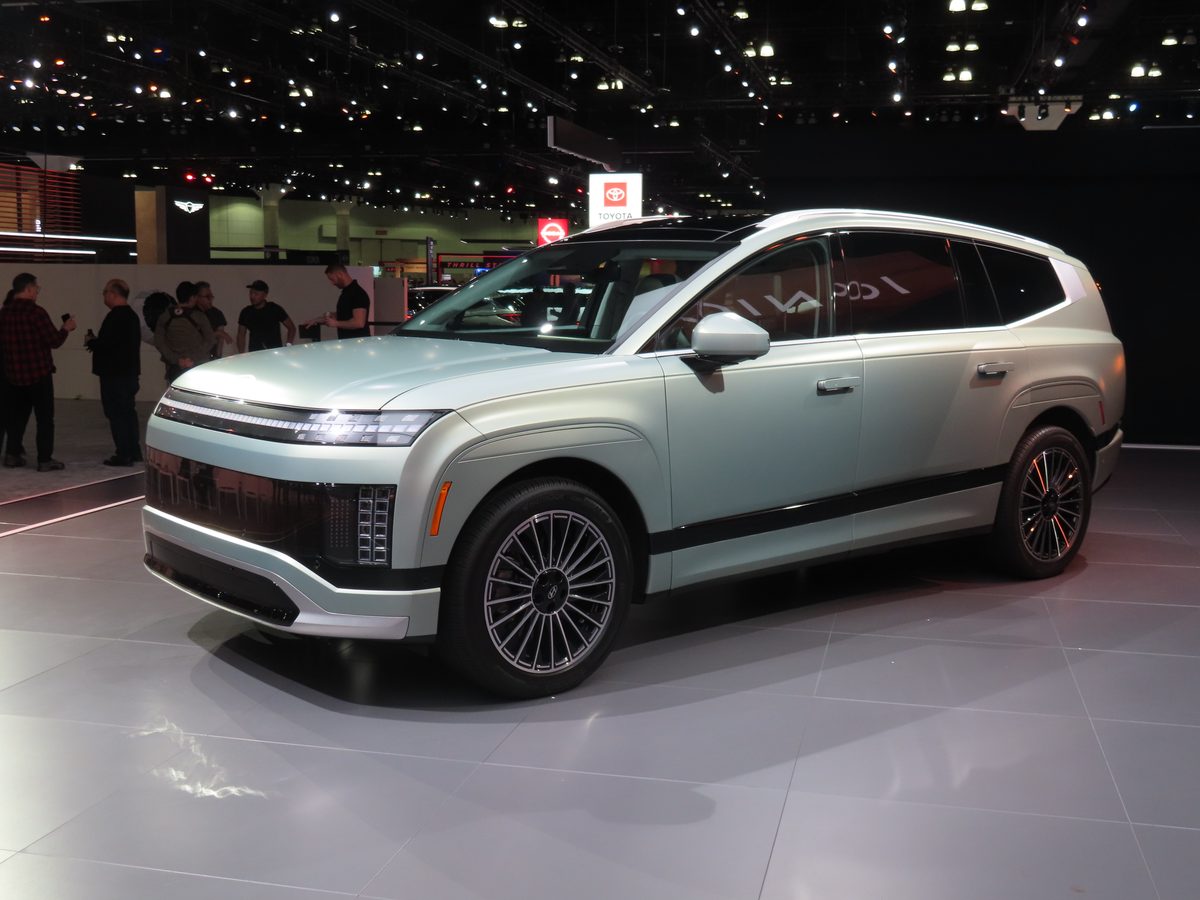
Hyundai is recalling 5,360 Ioniq 9 three-row electric SUVs — Limited and Calligraphy trims — after NHTSA opened campaign 26V588 over a real defect in the second-row power seats. The seats are designed to detect an occupant or obstruction and stop folding before making contact; in the affected vehicles, that detection can fail, letting the seat continue folding onto whatever's actually there.
This isn't a hypothetical failure mode. Hyundai's own filing cites two complaints involving minor injuries already logged before the recall was opened — a real, if limited, track record of the defect actually doing what the description says it can do. A child left in or reaching into the second row while someone else operates the power fold is exactly the scenario the occupant-detection sensor exists to prevent.
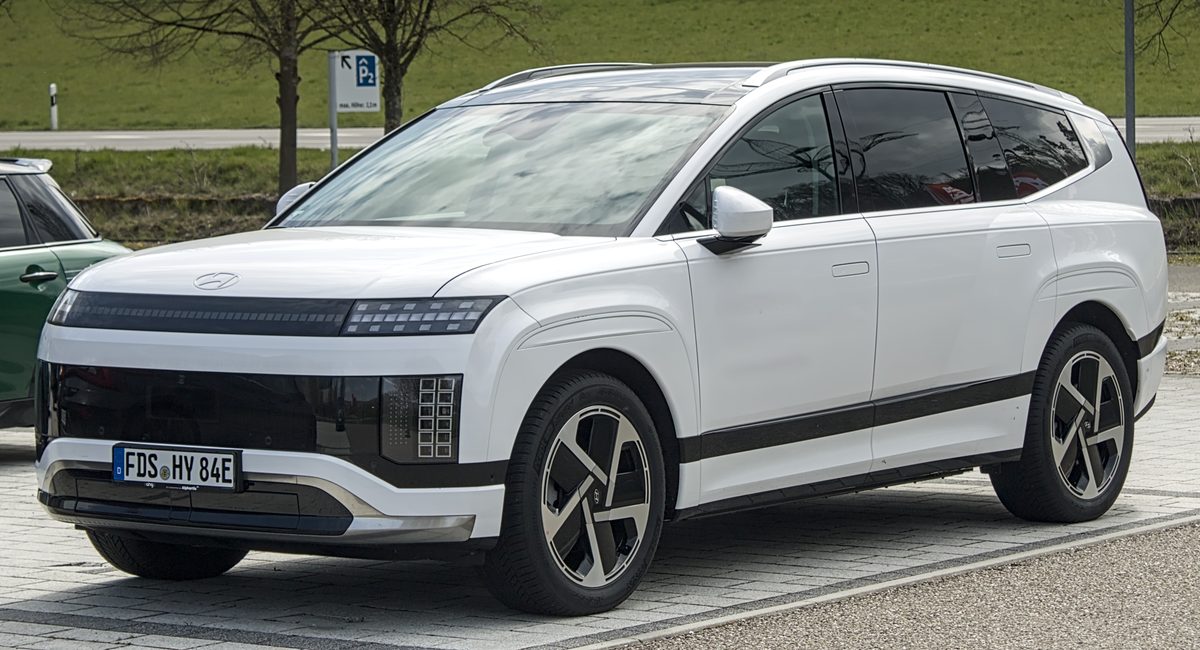
The fix is a software update, deliverable two ways: over the air through Hyundai's Bluelink connected-car system for owners already enrolled, or at a dealer for anyone who isn't. Either way it's free, and unlike a hardware recall there's no part to wait on — owners enrolled in Bluelink may see the fix land automatically without any action needed, similar to how Rivian's own rearview-camera recall resolved itself for most owners this same week.
Related cars
Related articles
- NACS vs CCS: Which EV Charging Plug Matters in 2026? Who Can Use Superchargers, What You Need to Carry, and Why a Port Does Not Set Your Charging Speed
- Range Rover Sport SV Recalled: 873 SUVs May Have Cracked Rear Subframes
- Jeep Recalls 328,381 Grand Cherokee L SUVs Over Rear Coil Springs That Can Detach While Driving
- Toyota Recalls 508,000 Camrys Because the Instrument Cluster Can Go Blank at Startup