GM Closes Detroit EV Battery Plant, but Not Because of EVs — The Brownstown Plant's Lease Is Ending, and Its Tiny Output Says More Than the Headline
GM is shutting down the plant that builds battery packs for its most expensive EV and the hybrid half of its most famous sports car — and insists it has nothing to do with the company's broader EV retreat.
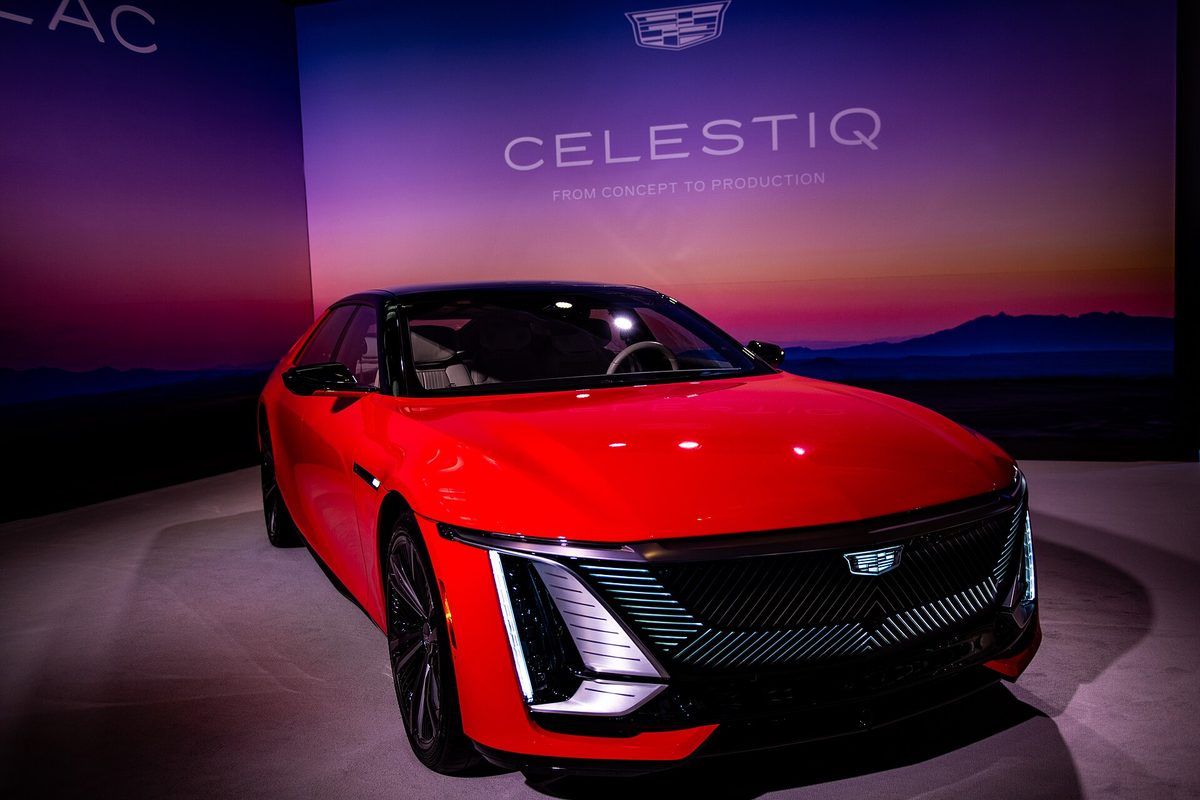
General Motors confirmed this week that it will close its Brownstown Battery Assembly plant south of Detroit, the 480,000-square-foot facility that builds the battery pack for the Cadillac Celestiq and both the battery pack and electric drive units for the plug-in hybrid Chevrolet Corvette E-Ray. GM's official line, delivered through a spokesperson, is specific: "The lease on the Brownstown Battery Assembly plant is ending next year, and GM is planning to transition this work to other nearby GM facilities." The lease runs out in summer 2027, and GM says affected employees will be reassigned rather than laid off, though it hasn't named which facilities will absorb the work.
The timing makes the denial a hard sell. GM has spent 2026 pulling back on EV investment across the board, eliminating EV production incentives after the "One Big Beautiful Bill Act" ended the $7,500 federal purchase credit, and realigning multiple plants toward internal combustion vehicles as EV demand cooled industry-wide. Closing a battery plant in that environment reads, at a glance, like one more data point in that retreat — and outlets covering the story have largely framed it that way, even while reporting GM's on-the-record insistence otherwise.
The real story is in the headcount, not the lease
What actually explains Brownstown's closure isn't the lease — it's what the lease covers. The plant employed around 300 people at its peak; today it's down to fewer than a dozen. That collapse tracks demand for the two vehicles it exclusively supplies, not GM's broader EV strategy. The Celestiq is a hand-built, six-figure ultra-luxury flagship that was never going to sell in volume by design — it's closer to a halo product than a mass-market EV. The Corvette E-Ray is a plug-in hybrid variant of a niche sports car, itself a small slice of already-modest Corvette sales. Both vehicles were always going to need a small plant; neither needed a 480,000-square-foot one running at a fraction of its original headcount.
What happens to the Celestiq and Corvette E-Ray now
GM says the work moves to "other nearby GM facilities" rather than disappearing, meaning Brownstown's closure is a consolidation rather than a vehicle cancellation — neither the Celestiq nor the Corvette E-Ray has been reported as discontinued. For buyers already cross-shopping either car, that's the practical takeaway: production is relocating, not ending, though GM's unwillingness to name the receiving plant leaves some uncertainty about how smooth that transition will be before the lease actually expires next summer.
Why this matters beyond one plant
The Brownstown closure is a useful reminder that not every EV-adjacent headline in 2026 is actually about EV demand collapsing — sometimes it's about a single low-volume product line outgrowing the dedicated plant GM built for it years ago, at a moment when the broader EV narrative makes that explanation an easy one to disbelieve. That doesn't mean GM's EV retreat elsewhere isn't real; the company genuinely has been shifting investment back toward gas-powered vehicles this year. It means this particular closure, despite the headlines, says less about GM abandoning EVs broadly and more about how small the market for a $340,000 hand-built sedan and a hybrid Corvette variant actually turned out to be.
Related cars
Related articles
- GM's EV Sales Fall by Up to 93% in Q3 as Toyota's Hybrids Close the Gap to 38,000 Vehicles
- October 2026 Car Sales Forecast: $823 Record Payment — Hybrids Reach 18.6% While Shoppers Pay More Each Month for a Market That Is Barely Growing
- Fiat Topolino Now on Sale in the US From $14,985 — a Street-Legal EV the Size of a Golf Cart, With None of the Highway Ambition
- Used Car Loan Interest Hit $11,000 This Year — Nearly Double 2019, as Cox Automotive Says Wealthy Buyers Are Now Propping Up the Whole Market