Free Parts-Store Scan: What the Trouble Codes Tell You, and What They Leave Out
A code names a symptom category, not a confirmed cause, so treat the printout as a starting point for diagnosis.
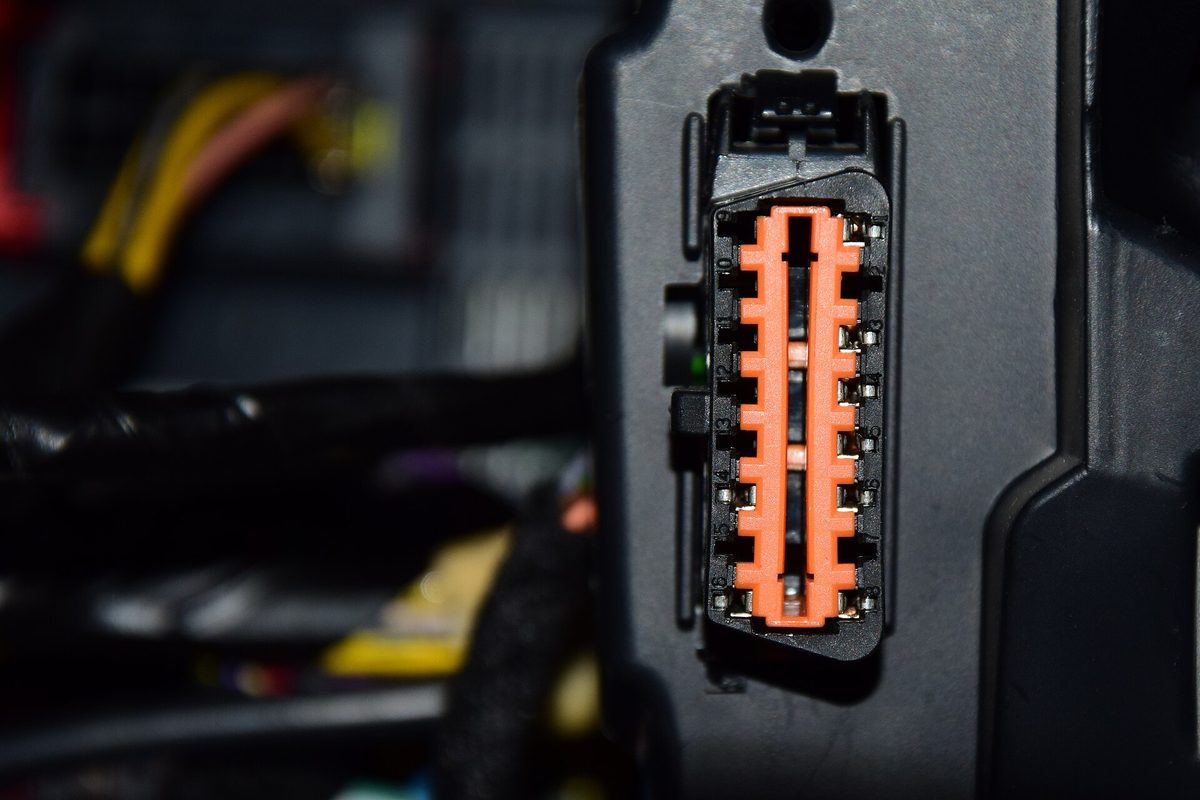
When a parts-store employee scans your car, the tool plugs into the standardized OBD-II port, usually found under the dashboard. On most US-market passenger vehicles from the 1996 model year onward, that connection lets the scanner pull diagnostic trouble codes stored by the car's computer. A code tells you which system or operating condition triggered a fault. It does not give a full explanation of what actually failed.
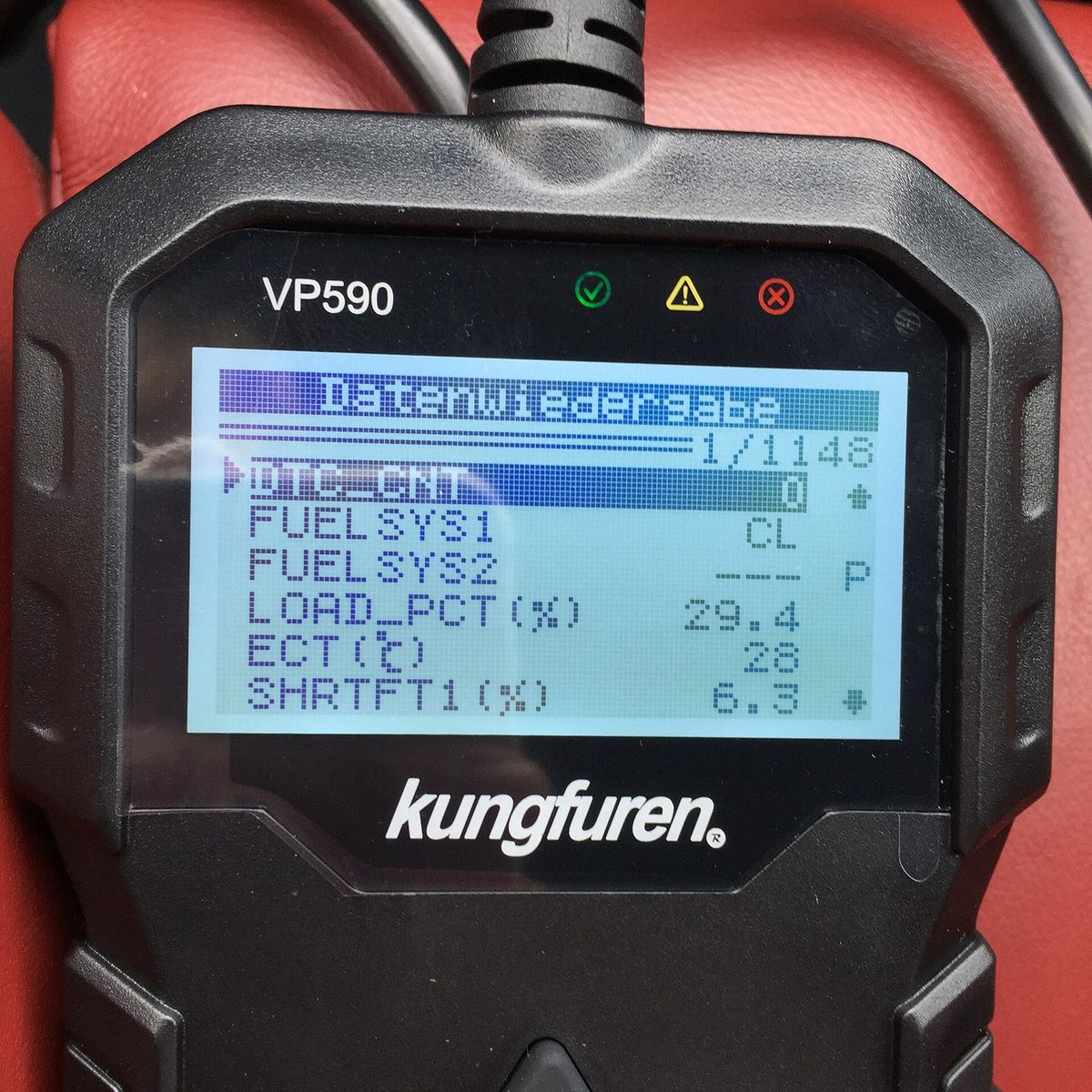
A scan can show current codes, previously stored codes and pending codes that have not yet kept the check-engine light on. Results usually appear on the scanner's screen and may be printed or emailed with a list of possible causes, related fixes or parts commonly linked to that code. Retailers that scan for free generally present the service as a way to narrow a problem down, not as a finished diagnosis.
The distinction matters. A code pointing at an oxygen sensor can be set by the sensor itself, by damaged wiring, by an exhaust leak, by an air-fuel mixture problem or by another fault that produces a similar abnormal reading. Confirming the cause generally means inspecting wiring, measuring voltages, testing how the system operates and examining the vehicle for mechanical problems, none of which a five-minute scan is designed to do.
How the warning light behaves also tells you something. A steady check-engine light with no other symptoms usually calls for prompt investigation, while a flashing light can indicate a severe misfire that can damage the catalytic converter, which is more urgent. If the car is shaking, stalling, losing power or making unusual noises, driving to a parts store for a free scan may not be the right next step, and a prompt inspection is warranted.
Be careful about clearing a code after the scan. Erasing fault memory can switch the warning light off for a while, but it does not repair what caused the code. It also resets the car's emissions readiness monitors, which must complete their own self-tests through normal driving, or a specified drive cycle, before the car can pass an emissions inspection again.
Used properly, the free scan is a good first step for gathering information. Write down every code exactly as shown, note whether the light was steady or flashing, and ask what further testing would confirm the suspected fault. A professional inspection remains the right call whenever the problem affects drivability or safety systems, or needs more than a visual check to resolve.
Related articles
- Is an Extended Car Warranty Worth It in 2026? Consumer Reports Says 55% of Buyers Never Use Theirs, and the Average Buyer Recoups Only 70 Cents for Every Dollar Spent
- Winter Tires vs. All-Season: Do You Actually Need Them? A 30-Foot Difference in Stopping Distance Says Yes, If You Live Where It Actually Gets Cold
- Buying vs. Leasing in 2026: A $10,000 Tax Break Changes Math — A New Federal Deduction Favors Buyers, While EVs Just Lost the Lease Loophole That Used to Tilt the Other Way
- Towing Capacity, Payload and GVWR Explained (2026): Why the Trailer Rating in the Ad Is Rarely the Limit That Stops You