Audi Q5 vs BMW X3: Which Should You Buy? (2026) — A Better-Equipped Audi Against a Cheaper-to-Run BMW, Both Top Safety Picks
Two fresh luxury compact SUVs, both Top Safety Pick+, separated by equipment, efficiency and driving feel.
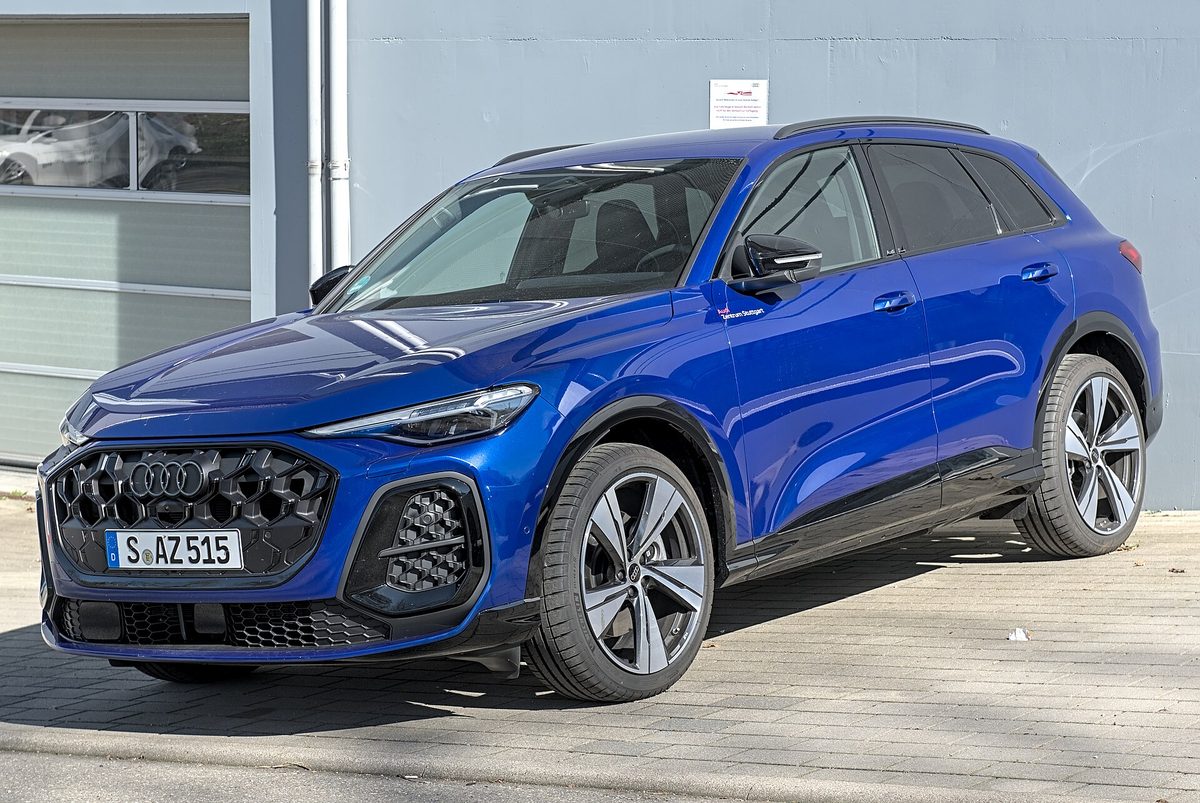
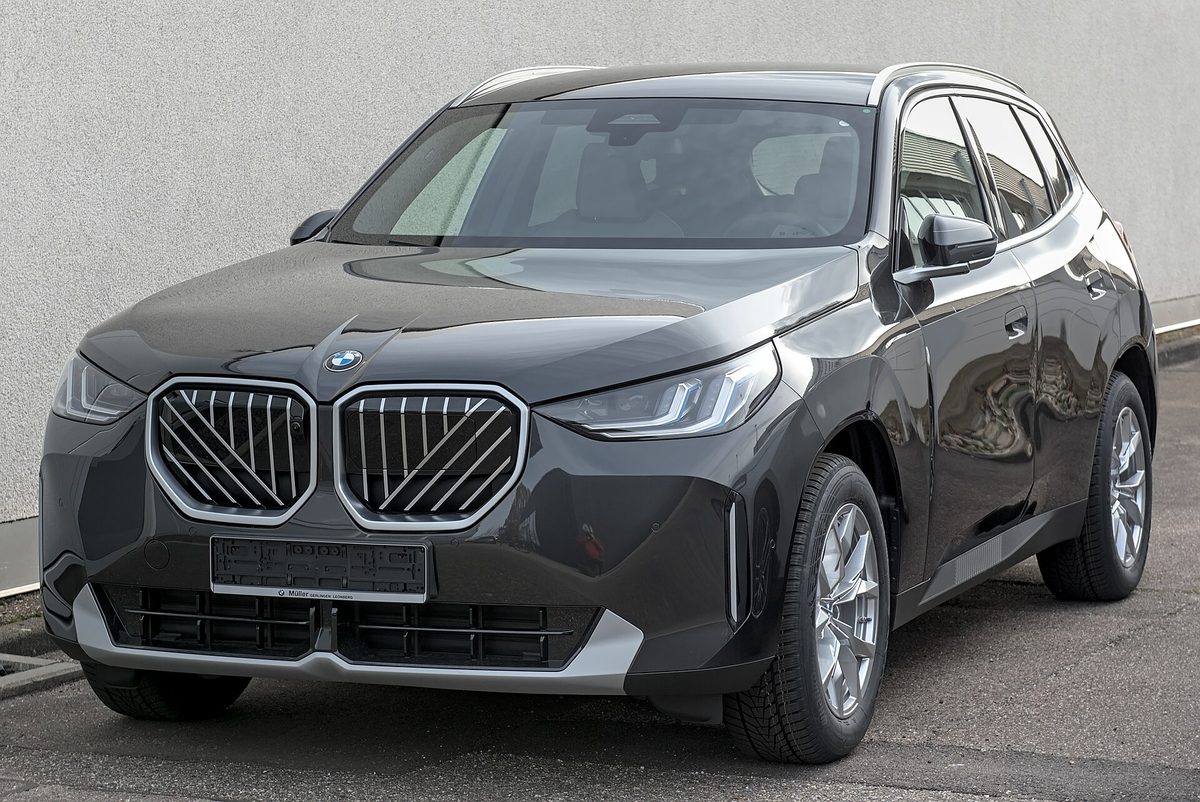
The Audi Q5 and BMW X3 have been the default pair for anyone shopping a compact German luxury crossover, and for 2026 both are fully fresh designs, so the old rule of thumb (BMW drives better, Audi rides nicer) deserves a recheck. The numbers say the two are closer than the badges suggest, and the decision comes down to engines, equipment and what you do with your commute.
Price: the Q5 costs more at the bottom
Cars.com lists the 2026 Audi Q5 at $54,095 for the Premium trim, $56,995 for Premium Plus and $61,995 for Prestige, all including a $1,295 destination fee (published January 2026). The BMW X3 30 xDrive is listed at $52,650 including a $1,350 destination charge as of June 2026, with the M50 xDrive at $67,850. Strip out destination and the gap is a bit over $1,500 in the BMW's favor at the entry point.
The difference is bigger in what you get for it. The Audi's base price already includes leather, heated front seats, a wide display with navigation and a panoramic moonroof (standard on all trims for 2026). The BMW includes heated power front seats, a power liftgate, a 14.9-inch touchscreen and a 12.3-inch digital cluster, but a panoramic roof is reserved for the M50. Option packages move the numbers quickly on both: BMWBlog's launch review priced the X3's Premium Package (head-up display, surround-view cameras, parking assistance) at $3,450, and the Q5's 360-degree camera sits in a Convenience Package that is optional on Premium and standard above it.
Powertrains: one engine against two
Every U.S. Q5 gets a turbocharged 2.0-liter four-cylinder with 268 hp and 295 lb-ft, a seven-speed dual-clutch automatic and standard quattro all-wheel drive. The faster SQ5 is a separate, $12,000-plus step up, with a 3.0-liter V-6 making 362 hp and 406 lb-ft and a base price of $66,695 with destination.
The X3 offers a similar base engine, a 2.0-liter turbo four with 255 hp and 295 lb-ft, mated to an eight-speed automatic with standard xDrive. BMW claims 0-60 mph in about 6 seconds. The upgrade is the M50: a 3.0-liter turbocharged inline-six with 393 hp and 428 lb-ft and a claimed 4.4-second sprint, for $67,850. That is roughly the same money as an SQ5, with about 30 more horsepower and 22 more lb-ft.
On paper the base cars are a tie in output: the Audi has 13 more horsepower, the BMW has the better gearbox reputation and the claimed 6-second 0-60 time. Where the BMW is clearly ahead is efficiency.
Fuel economy: BMW wins by 5 mpg
The EPA rates the Q5 at 21 city, 29 highway and 24 combined mpg (fueleconomy.gov). The X3 30 xDrive is rated 27/33/29, according to Cars.com. At 12,000 miles a year that is roughly 500 gallons for the Audi against about 415 for the BMW, so around 85 gallons of premium fuel saved annually. At $4 a gallon that is about $340 a year, which does not change the purchase decision alone but is real money across a five-year loan. The M50 returns 25/30/27, and the SQ5 returns 21/28/23.
Safety: both top, with the same headlight caveat
Neither car gives you a safety reason to choose the other. The IIHS lists the 2026 Q5 as a Top Safety Pick+ with Good ratings in the small overlap, moderate overlap and side tests, and Good in both front crash prevention tests. The 2026 X3 also carries Top Safety Pick+ with the same three Good crashworthiness results and Good vehicle-to-vehicle and pedestrian prevention scores.
Both share the same weakness: headlights rated Acceptable. The IIHS notes low-beam glare on the Q5's Premium Plus and Prestige trims and says the X3's high-beam visibility is fair to inadequate on straightaways, and worse on M Sport Professional or the Full LED package. The IIHS also marks the X3's seat belt reminder Marginal. NHTSA gives the X3 4 of 5 stars overall, per Cars.com.
Driving and interior: where character shows up
The X3's reputation is still the sharper driver. One recent head-to-head summed it up as BMW for the driver and Audi for the passenger, and that matches the hardware: the X3 is tuned around steering response, while the Q5 is tuned around a smooth, quiet ride. The M50 adds adaptive dampers, sport suspension and a torque-vectoring rear differential, none of which exists on the Q5. The SQ5 is the Audi answer, but it costs almost the same as the M50 and delivers less power.
Inside, the BMW's curved display and iDrive with a physical controller feel newer, and wireless CarPlay and Android Auto are standard. Cabin quality draws mixed comments: BMWBlog calls criticism of the X3's materials and design partly subjective, so sit in both and judge the materials yourself. The Q5 counters with a wide display, leather as standard and the optional 19-speaker Bang & Olufsen system on Premium Plus. Prestige adds ventilated front seats, heated rear seats, rear window shades and a head-up display, equipment that costs extra on the BMW.
Cargo is close enough not to decide anything. The Q5 offers roughly 27.6 cubic feet behind the rear seats and 56.9 with them folded, according to dealer-published specs, and the two have nearly identical footprints, so expect similar luggage space from the BMW.
What the price gap really means over five years
Sticker price is only the opening bid. Say you finance either car and keep it five years at 12,000 miles a year. The X3's roughly $340 a year in fuel savings adds up to about $1,700 at $4 premium gasoline, which more than covers the $1,445 difference in starting price between the two cars. In other words, the BMW's cheaper start and lower running cost stack, while the Audi's extra equipment has to justify itself on feel rather than on arithmetic.
The caveat is trim. Both makers make most of their money on packages, and a Q5 Prestige at $61,995 is far closer to a comparably equipped X3 once you add the Premium Package ($3,450 at launch), the Convenience Package ($1,400) and Driving Assistance Professional ($1,700). Price the cars you would actually buy, not the base models, and do it at two dealers, because destination fees are fixed but dealer add-ons and incentives are not.
A practical test drive plan helps. Take both cars on the same loop: a stretch of rough pavement to judge ride quality, an on-ramp to judge the Q5's dual-clutch against the X3's torque-converter automatic, and a parking lot to try each brand's screen and parking aids. Ten minutes in each will tell you more than any spec sheet.
Ownership: warranty and maintenance
BMW's published U.S. coverage is 4 years or 50,000 miles basic and powertrain, plus 3 years or 36,000 miles of scheduled maintenance, per Cars.com. Audi's basic coverage is also 4 years or 50,000 miles, but without included maintenance, so the BMW has a small advantage in the first three years. After the warranty both are expensive to fix, and the standard advice applies: if you plan to keep either past 60,000 miles, price an extended plan before you sign. We looked at whether those plans pay off in our extended warranty guide.
Which one should you buy?
**Buy the Q5 if** you want standard equipment: a panoramic roof, leather and a cabin that feels calm and finished, with comfort over cornering. It is also the choice if your drive is mostly highway and you value the Prestige-level extras.
**Buy the X3 30 xDrive if** you drive a lot and want lower fuel cost and a sharper chassis for slightly less money. Skip the pricey packages unless you really want the head-up display.
**Step up to the X3 M50 or SQ5 if** performance matters. The M50 has the stronger engine and the better chassis hardware for about the SQ5's money, which makes it the more convincing high-end choice. If you are weighing the X3 against another rival, our X3 vs Mercedes GLC comparison covers that matchup.
The bottom line: these are two safe, well-equipped SUVs separated by modest differences. The BMW is cheaper to fuel and better to drive; the Audi comes better equipped and quieter. Drive both on your own commute before deciding, because on paper they are far closer than their reputations.
| 2026 Audi Q5 | 2026 BMW X3 30 xDrive | |
|---|---|---|
| Starting price (with destination) | $54,095 | $52,650 |
| Engine | 2.0L turbo I-4 | 2.0L turbo I-4 |
| Power / torque | 268 hp / 295 lb-ft | 255 hp / 295 lb-ft |
| Transmission | 7-speed dual-clutch | 8-speed automatic |
| Drivetrain | quattro AWD (standard) | xDrive AWD (standard) |
| EPA mpg (city/hwy/comb) | 21/29/24 | 27/33/29 |
| Performance upgrade | SQ5: 362 hp, from $66,695 | M50: 393 hp, $67,850 |
| IIHS | Top Safety Pick+ | Top Safety Pick+ |
| Headlight rating (IIHS) | Acceptable | Acceptable |
| Basic warranty | 4 yr / 50,000 mi | 4 yr / 50,000 mi |
Related articles
- 2025 BMW X3 vs Mercedes GLC: Which Should You Buy? The New X3 Is Softer Than You'd Expect, and the GLC Isn't as Plush as Its Badge Suggests
- Is an Extended Car Warranty Worth It in 2026? Consumer Reports Says 55% of Buyers Never Use Theirs, and the Average Buyer Recoups Only 70 Cents for Every Dollar Spent
- Honda Pilot vs Toyota Grand Highlander: Which Is Better? One Engine Option Against Three, and a Reliability Record That Isn't a Fair Fight Yet
- 2027 Ford F-150 vs Chevy Silverado: Which Truck Is Better? A Freshly Redesigned Silverado Takes On an F-150 That Just Got a New Base Engine and Hands-Free Towing