Naturally Aspirated vs Turbocharged Engines: Why They Feel So Different to Drive, Even at the Same Horsepower
The gap between the two layouts is less about how much power they make than about when it arrives.
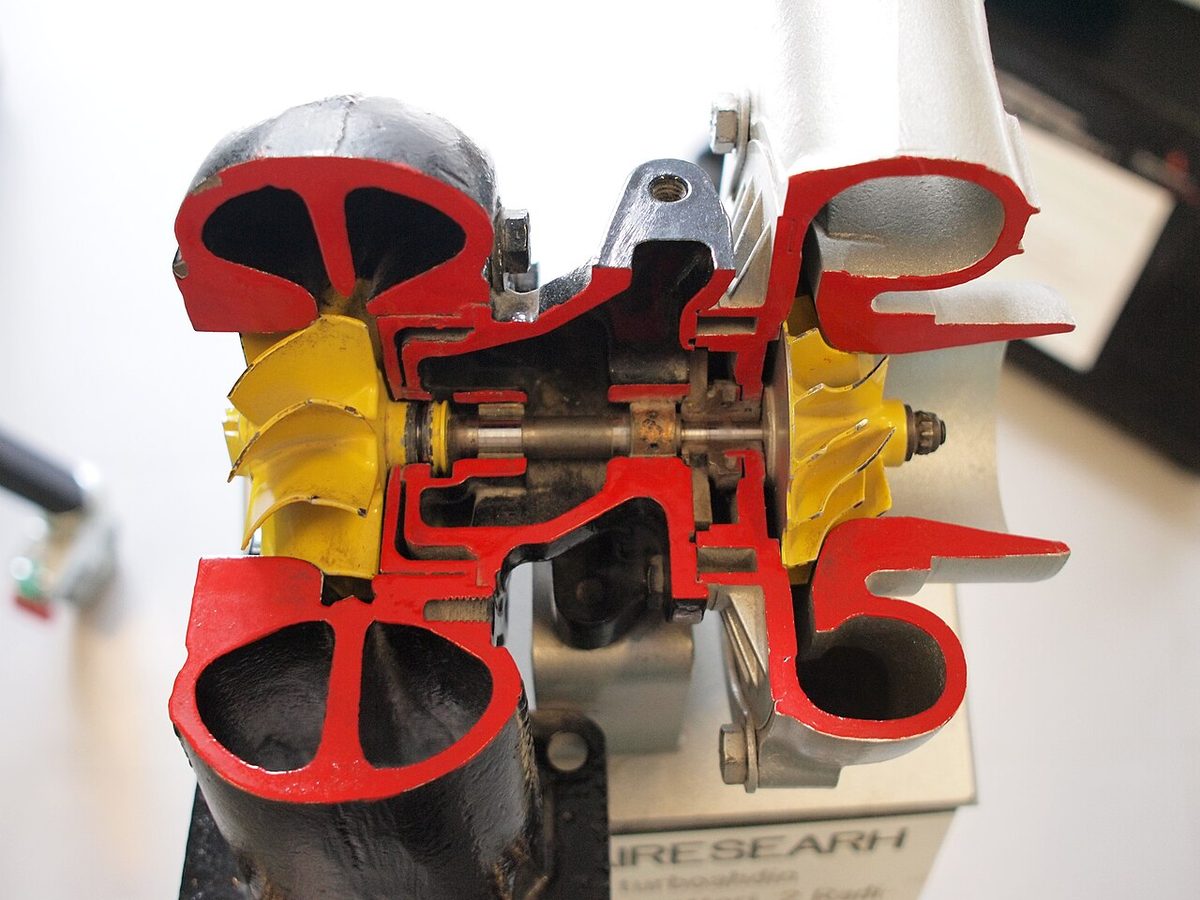
The difference between a naturally aspirated engine and a turbocharged one is not only a matter of horsepower. It shows up most clearly in how the car reacts when you move the accelerator, especially in the quick transition from cruising to accelerating. A naturally aspirated engine pulls air into its cylinders without any forced induction, so its output tends to follow engine speed and throttle position directly.
A turbocharged engine uses energy from the exhaust to spin a turbine, which drives a compressor that forces extra air into the cylinders. The added air lets a smaller engine produce the output of a larger one, but boost is not always available the moment you ask for it. At low revs, or just after a sudden stab of throttle, the turbo needs a moment to spin up and build pressure. Electronic controls and smaller, lighter turbochargers have shortened that delay a great deal without removing the underlying mechanical difference.
That is why naturally aspirated engines often feel predictable. Press the pedal and the response is smooth and progressive, with power building as the revs climb. The linear character makes it easier to meter power through a corner, and it encourages drivers to use more of the tachometer, because peak output often sits higher in the rev range instead of in a narrow band of torque.
A turbo engine gives a different sensation. Once boost arrives, a relatively small engine can deliver a strong surge of torque, often at lower revs than a comparable naturally aspirated engine would need for similar output. That makes turbo cars feel forceful in everyday driving and can reduce how often you need to downshift. The trade-off is that acceleration can feel less uniform, particularly when the engine is below its effective boost range or the transmission has picked a gear that lets boost fall away.
Turbocharging remains popular for sound engineering reasons. It can pair strong performance with smaller displacement and, under the right conditions, better real-world fuel economy, an advantage that has made boosted engines common across mainstream models and not only performance cars. Naturally aspirated engines keep their appeal for drivers who value immediate throttle feedback, a rising mechanical note as the revs climb and a power curve that is simple to read.
Neither layout is better in every case. A turbo engine is often the stronger choice for effortless passing, towing and relaxed low-speed acceleration, while a naturally aspirated engine can feel more engaging when you want a direct, unfiltered link between pedal and engine. When you test drive, pay attention to the shape and timing of the power reaching the wheels, not just the headline figure on the spec sheet.