2026 Ford F-150 vs Ram 1500: Which Truck Is Better? America's Best-Selling Truck Against the One With the Smoother Ride
The F-150 out-tows and out-hauls it; the Ram rides like a well-tuned SUV and asks you to pay for that comfort in long-term engine risk
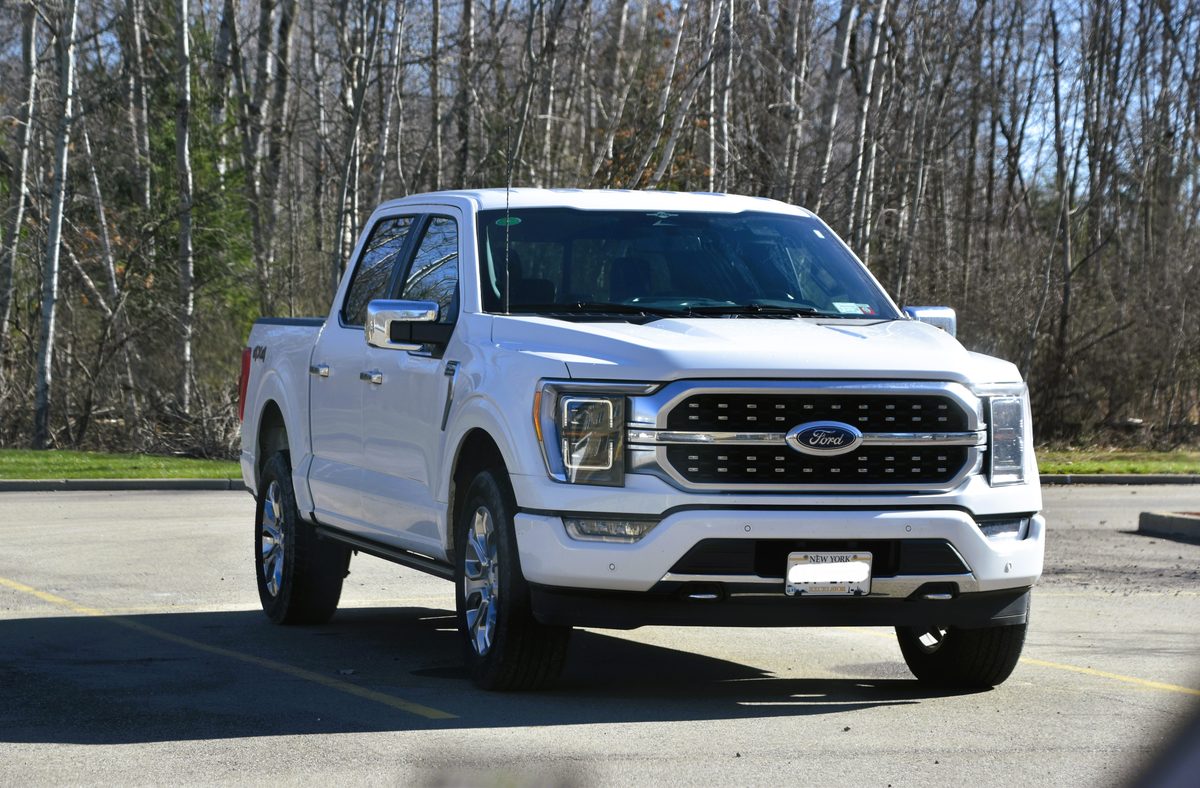
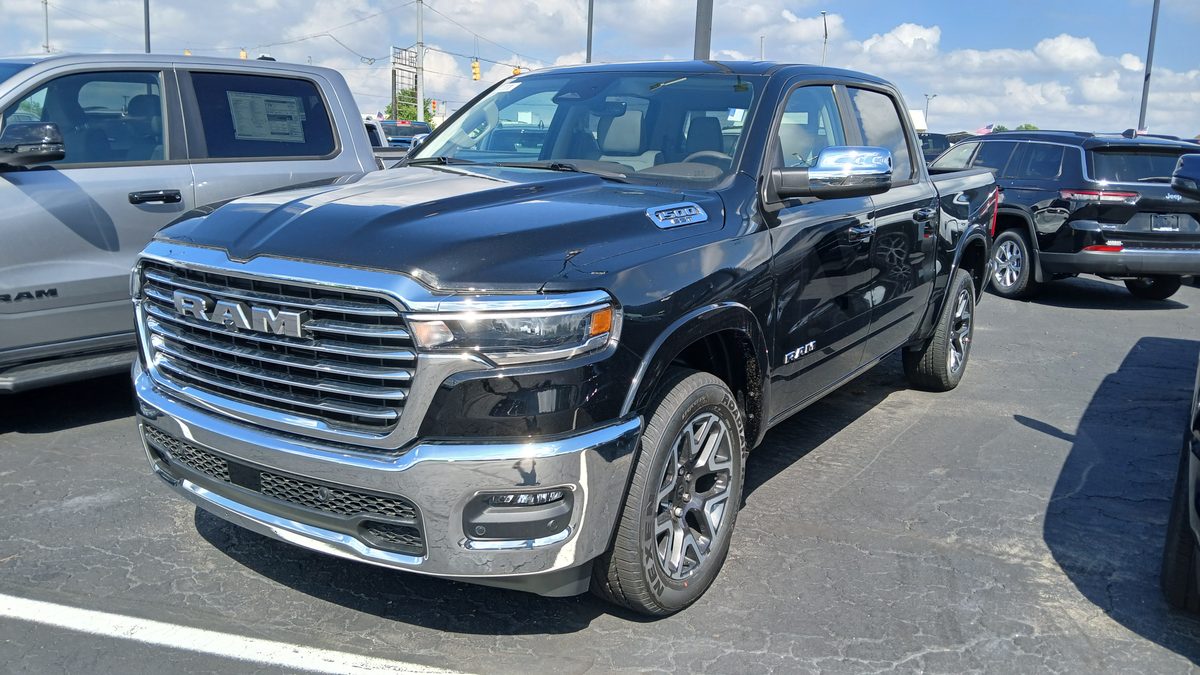
Full-size trucks are the actual best-selling vehicles in America, and the F-150 and Ram 1500 have spent decades trading blows for the top of that list. Both are all-new-feeling for 2026 without being all-new: Ford keeps refining the same basic platform it's run since 2021, while Ram is two years into its own redesign, still working through the growing pains of an all-new engine lineup.
Start with capability, since that's still the reason most people buy a half-ton truck in the first place. The F-150's strongest configuration tows up to 13,500 pounds and hauls a 2,440-pound payload; the Ram 1500 tops out at 11,610 pounds towing and 2,360 pounds payload. Nearly 1,900 pounds of extra towing capacity is a real, usable difference for anyone actually pulling a boat, a horse trailer, or a fifth-wheel camper near the top of either truck's range — the F-150 simply has more margin before you're pushing a rating.
Engines tell two different stories about how each brand got there. Ford's range tops out with the 3.5-liter PowerBoost full hybrid — a twin-turbo V6 paired with a hybrid system, good for 430 horsepower and 578 lb-ft of torque, plus up to 7.2 kW of exportable power through Pro Power Onboard, enough to run job-site tools or a campsite off the truck itself. Ram counters with the 3.0-liter Hurricane, a twin-turbo inline-six making 420 horsepower and 469 lb-ft — genuinely quick and refined on paper, and the one to actually cross-shop rather than the base V8s each brand still offers for buyers who'd rather not deal with turbos at all.
Ride and interior refinement is where the Ram actually pulls ahead, and by a real margin, not a marketing one. Its coil-spring rear suspension — or the optional air suspension — soaks up bumps far more gradually than the F-150's leaf-spring setup, and with the bed empty it rides closer to a well-tuned SUV than a work truck. Inside, the top Ram trims genuinely compete with luxury SUVs: soft-touch surfaces, real wood accents, ambient lighting, and on the range-topping Tungsten trim, 24-way power front seats with heating, ventilation, memory, and massage. The F-150 doesn't try to win that fight — it prioritizes functionality, with a flat, usable interior work surface and switchgear built to survive a job site, not impress a valet.
That refinement gap flips when the bed is loaded. The F-150's leaf springs are less plush empty, but they hold their geometry more consistently under a real payload — reviewers who've run both trucks loaded near their limits consistently find the F-150 more stable and predictable towing and hauling, which is exactly the scenario the Ram's cushier setup compromises for comfort.
Reliability is the one place neither truck gets to claim a clean win, and it's worth being honest about rather than picking a side. Ram's new Hurricane inline-six has avoided the widespread failures some expected from an all-new turbocharged engine, but independent analysis still flags it as a real risk for buyers specifically chasing 200,000-mile mechanical simplicity and predictable costs once the warranty runs out — a failed thermostat design has already caused problems on early Ram and Wagoneer Hurricane trucks. Ford's PowerBoost hybrid has its own real complaints in owner forums: clunky transmission shifting that at least one dealer reportedly told an owner was 'just how these things drive,' and at least one documented lemon-law case over misfires the owner said were never fully fixed.
Ram's answer to the reliability question is its warranty, not a promise that nothing will break: a 10-year, 100,000-mile powertrain warranty that's genuinely longer than what Ford offers, and Ram owners point to it as the real safety net rather than a claim that the Hurricane is bulletproof. Whether that trade — a longer warranty against a newer, less proven engine — beats a more established but imperfect PowerBoost hybrid is a real judgment call, not something either brand's marketing will settle for you.
Where does that leave a real buyer? If the truck's actual job is towing near its rated limit — a big trailer, a loaded equipment hauler, repeated heavy payloads — the F-150's extra capacity and more consistent loaded ride are the more honest fit. If the truck spends most of its time empty, doing daily-driver duty with occasional towing, the Ram 1500's ride and interior make the empty-bed 90% of ownership meaningfully nicer, and its warranty covers a real part of the risk that comes with its newer engine.
Related cars
Related articles
- Towing Capacity, Payload and GVWR Explained (2026): Why the Trailer Rating in the Ad Is Rarely the Limit That Stops You
- 2027 Ford F-150 vs Chevy Silverado: Which Truck Is Better? A Freshly Redesigned Silverado Takes On an F-150 That Just Got a New Base Engine and Hands-Free Towing
- 2026 Silverado 1500 vs Ram 1500: Which Is Better? The Ram Scores Better on IIHS Crash Tests and Has the Quicker Engines, the Silverado Tows More and Starts $4,825 Cheaper
- 2027 Ford Maverick vs Hyundai Santa Cruz: Which Is Better? Maverick Price Cuts, a 38-mpg Hybrid and a Santa Cruz on Borrowed Time
Sources
- 2026 Ford F-150 vs 2026 Ram 1500: Towing, Tech, & Quality Differences — Stivers Ford
- 2026 Ram 1500 vs Ford F-150 Compared: Powertrains, Cabins and Why Ram's 10-Year Warranty Changes the Game — Pickup Truck Talk
- A PowerBoost Owner Eyes Ram, but the 2026 Hurricane 1500's Best 4x4 Rating Is Only 170 Pounds Higher — Torque News
- Why An F-150 Owner Is Leaving Ford For A 2026 Ram and The Twin-Turbo Hurricane Engine He Should Avoid For Long-Term Reliability — Torque News